Adam Smith Awards 2009 winners
Considering worst-case scenarios has long been part of Honeywell’s philosophy when it comes to bank relationship management. “We have always prepared for the worst in our credit negotiations,” comments Jim Colby, Assistant Treasurer. This approach has proved its worth in the current challenging market and has led to substantial benefits for Honeywell.
With accelerating business growth leading to larger cash balances in Europe, Google was finding the associated investment processes increasingly challenging. Relationships were maintained with a number of banks in order to diversify exposures and counterparties were predominantly selected on the basis of credit ratings.
Mercedes-Benz Türk AS was looking for a solution that would provide funding for its network of 30 dealers, which are required to hold a certain level of stock vehicles. “Based on the sales volumes, the dealer itself has to keep such vehicles in stock in order to offer availability and diversity to its customers,” says Erhan Karakas, Finance Manager. “This can only be afforded by high credit lines.”
Every month, Alleanza Assicurazioni collects payments from each of its two million customers. Up to 2006, rather than paying by direct debit, many of these customers preferred to receive a visit from a salesperson to settle their dues. Of the 25m annual collection operations, only 20% were managed through automated processes, the remaining 80% being fulfilled manually by the sales team, which essentially stopped selling and offering consultancy in the last days of each month in order to collect cash premiums.
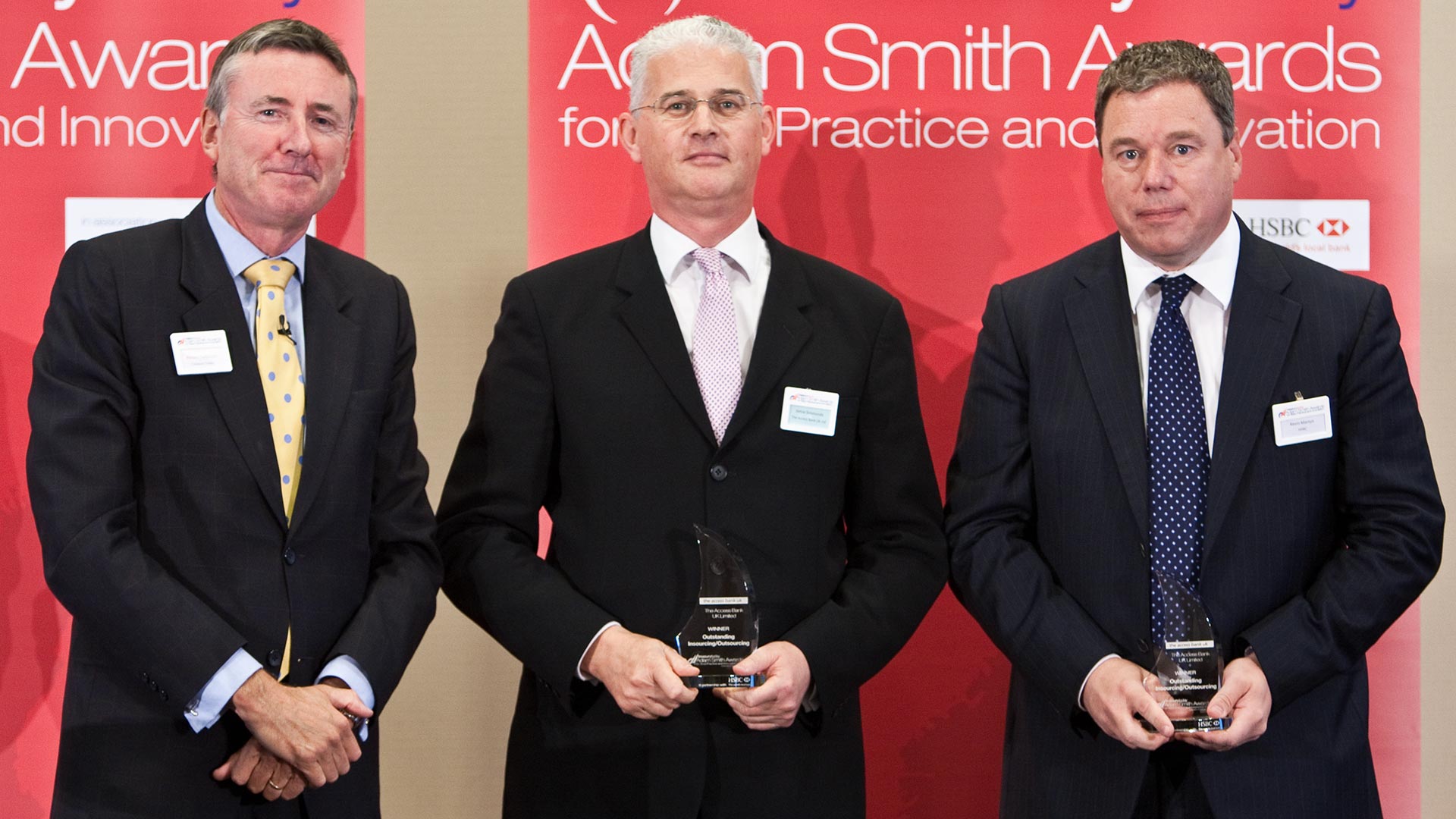
All banks are focused on minimising operating costs in the current economic environment, and this was particularly the case for The Access Bank UK Ltd when it set up operations in 2008. “We had very clear set budgets which could not be breached, and a demanding timescale for the implementation of the processes,” says Jamie Simmonds, Managing Director/CEO.
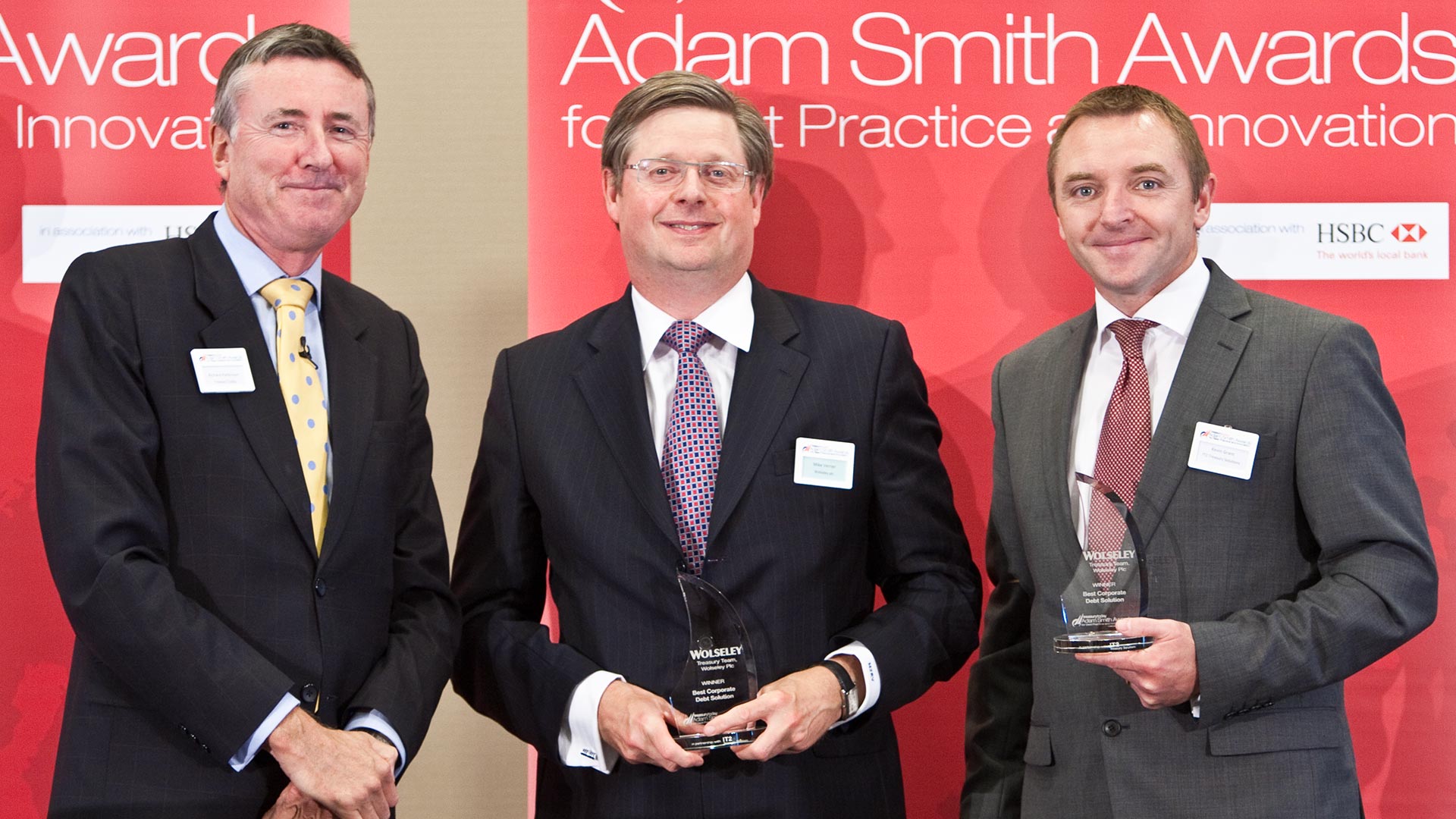
When Wolseley’s forecast net debt to EBITDA ratio was unexpectedly increased by 0.2 in late 2007, it was evident that action needed to be taken to avoid breaching loan covenants. At 2.9 times, the ratio was still well below the 3.5 times that would lead to a loan covenant breach. However, with building and construction markets continuing to deteriorate, it was important to pay attention to the warning signs.
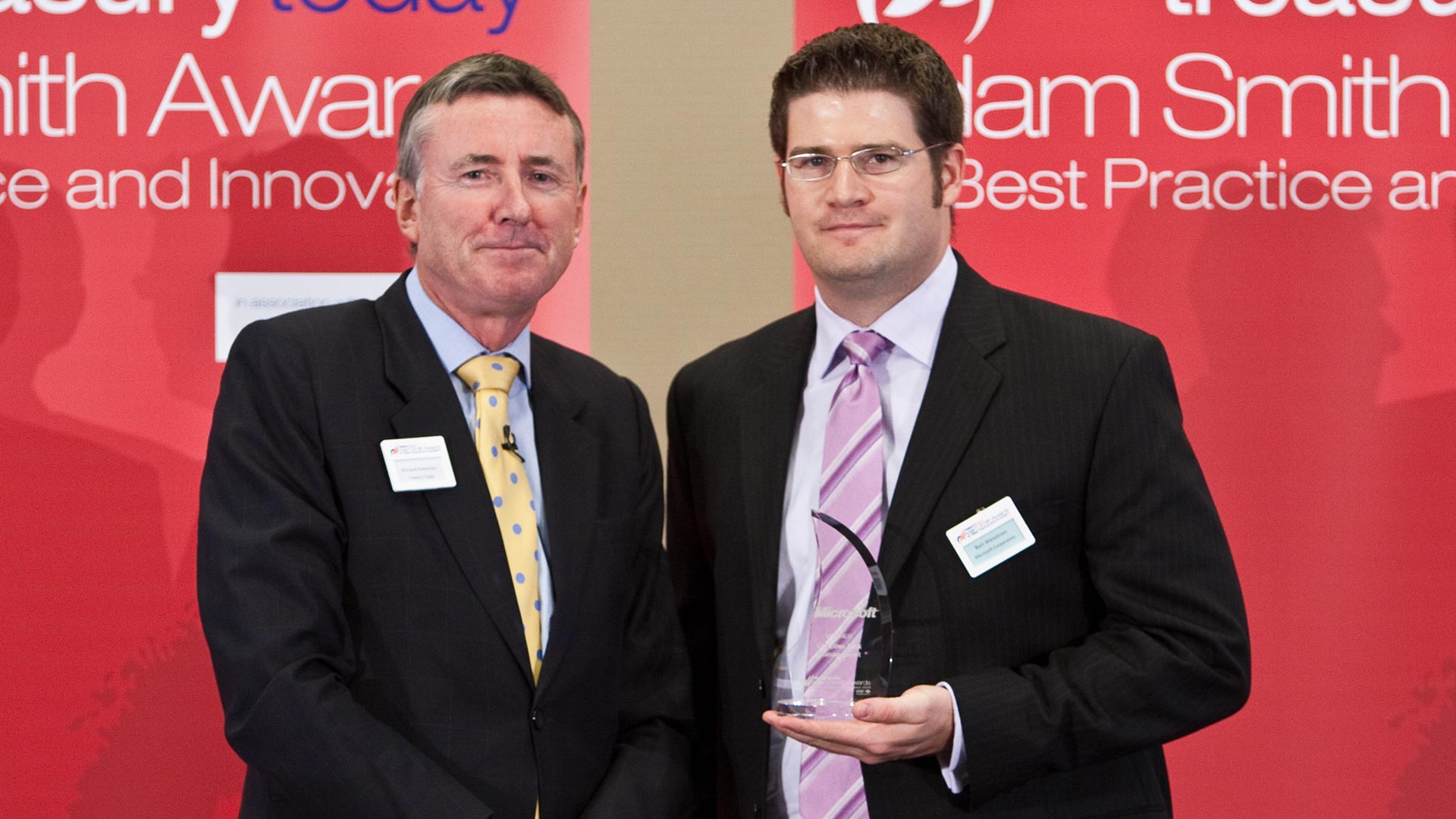
Historically, Microsoft’s risk exposures have been tracked and reported separately by different areas of the business. Direct investment exposures were reported by the capital markets team; counterparty risk exposures were reported by the compliance team and accounts receivable exposures were reported by the credit and collections team.
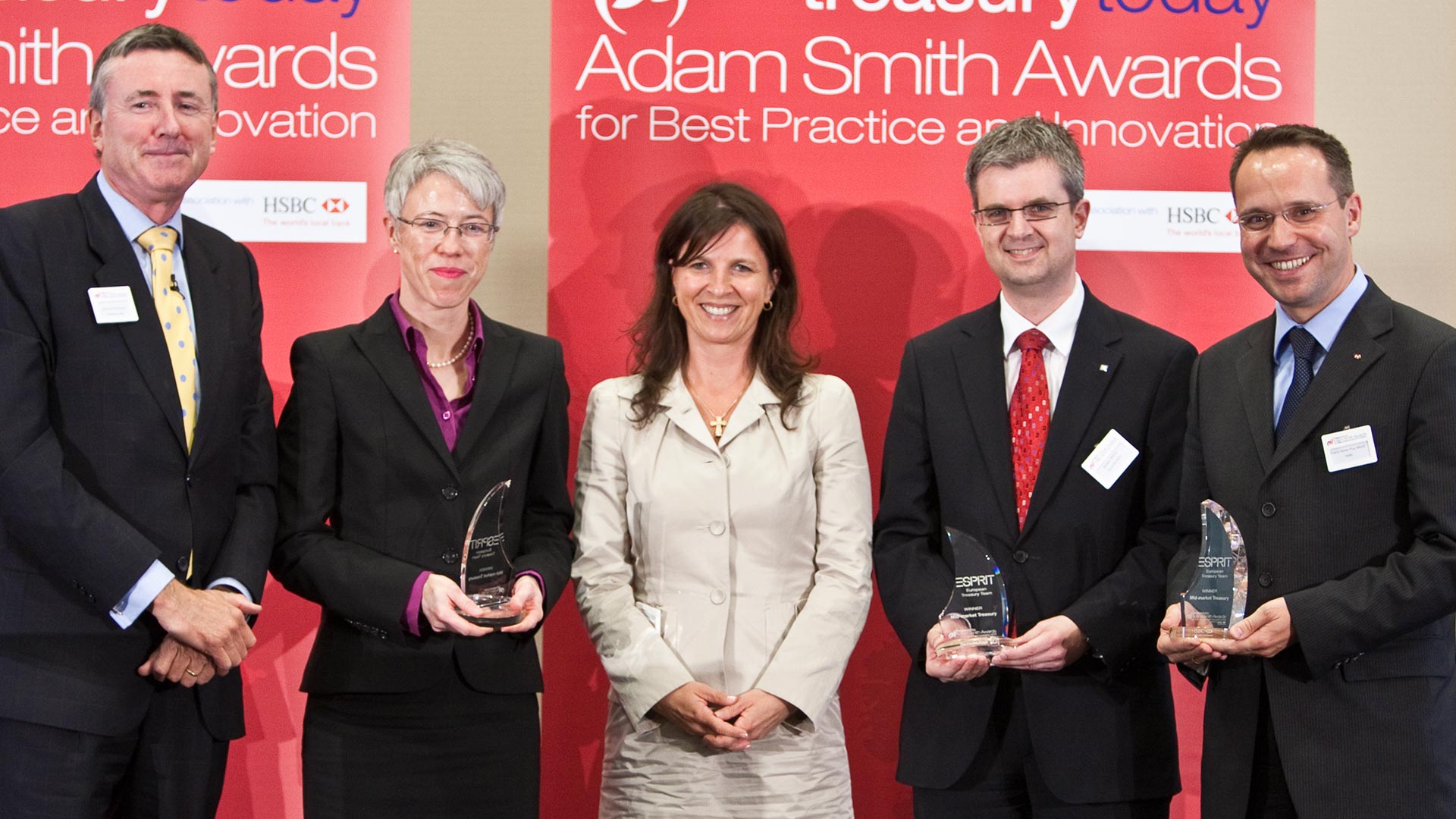
With a high growth rate over the past ten years, Esprit’s operations have been focused on organic expansion and enabling local entities to begin their sales activities as quickly as possible.
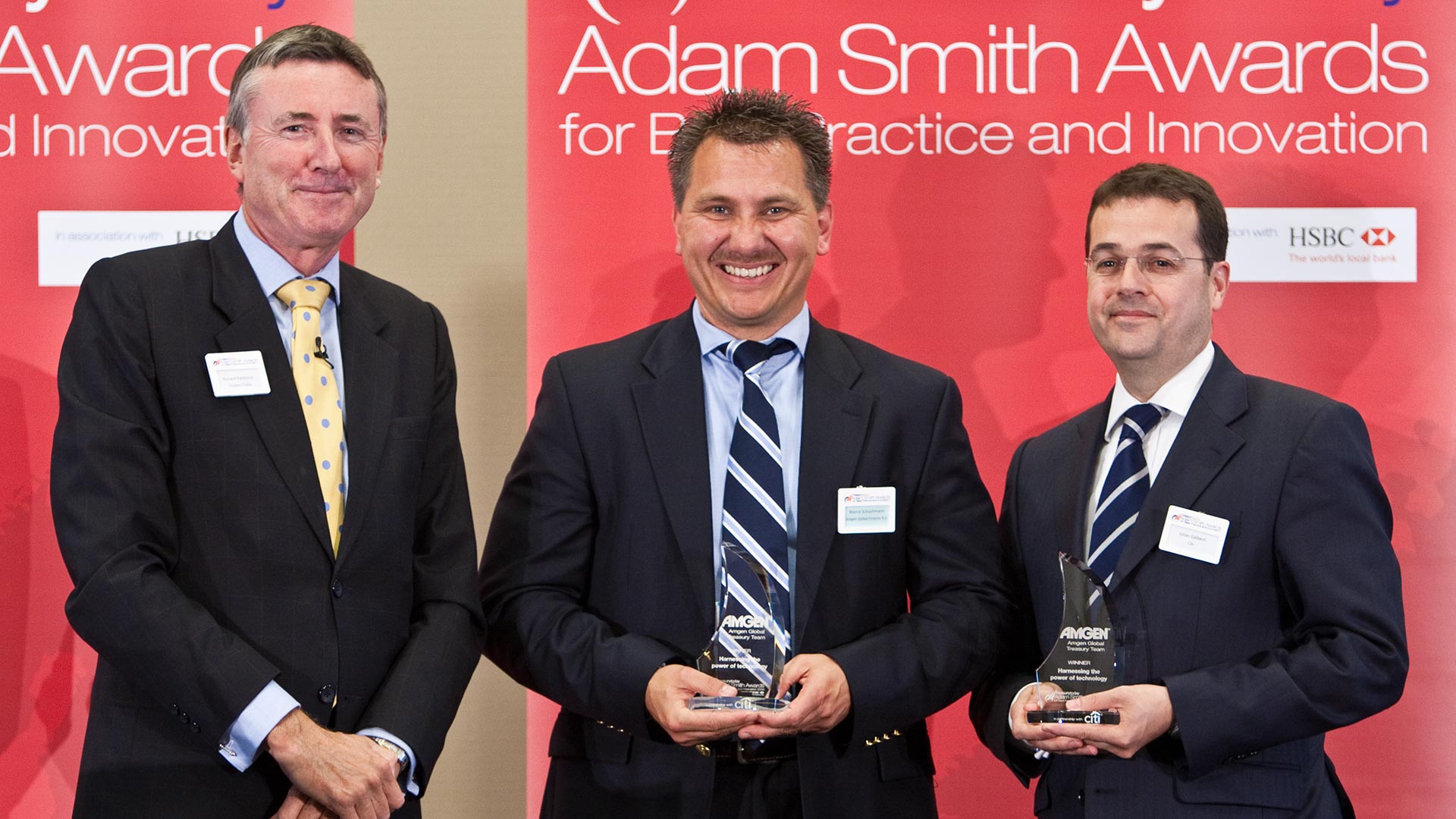
Outside of the US, Amgen’s treasury operations are carried out by Amgen Global Finance BV, the company’s global in-house bank located in the Netherlands. By setting up its financial services company in 2006, Amgen completed the first phase of its treasury transformation strategy: the centralisation of the treasury. In 2007, Amgen entered into the second phase: treasury system implementation.
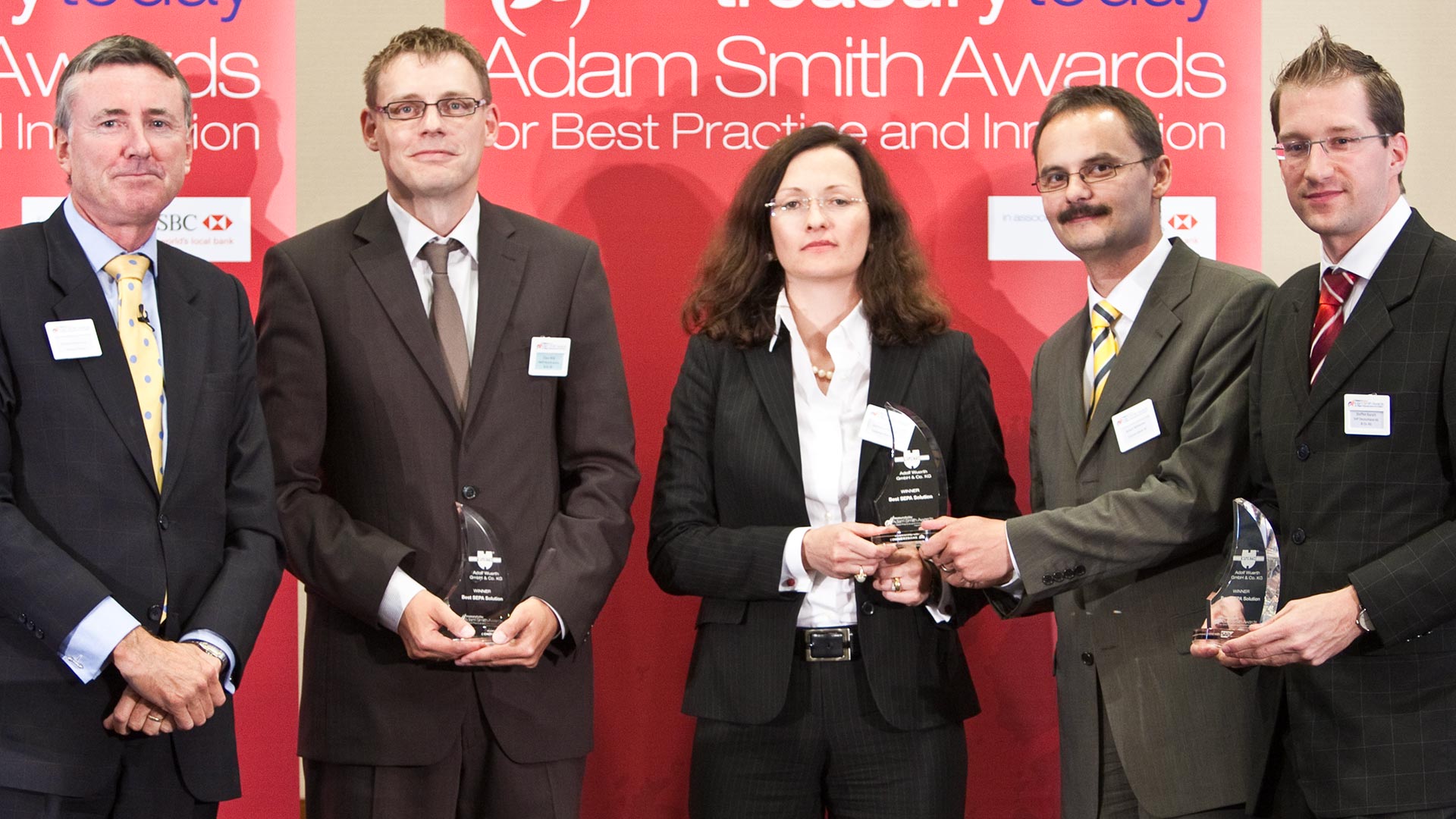
When SEPA was launched in 2008, Würth’s electronic banking software was no longer maintained and was therefore not able to support the new SEPA formats. This made it necessary for the company to review its technology needs in order to maintain and extend the service level provided to the subsidiaries. “We are the shared service centre for a couple of subsidiaries and must meet their needs,” comments Claus Wild, Project Manager Introduction for Payments.
With over 300 legal entities and more than 1,000 bank accounts worldwide, Microsoft was looking to manage its bank account administration more efficiently. Although the company’s bank accounts have been managed centrally from Microsoft’s corporate headquarters since 1991, the scale of the operation had led to certain inefficiencies, with requests and approvals being processed by email.

In order to optimise the company’s treasury processes at an international level, Pfizer has established several regional shared service centres, known collectively as Global Financial Solutions (GFS). Recently the decision was taken to outsource some of the tasks managed by the company’s European shared service treasury operations to a business process outsourcing (BPO) partner.
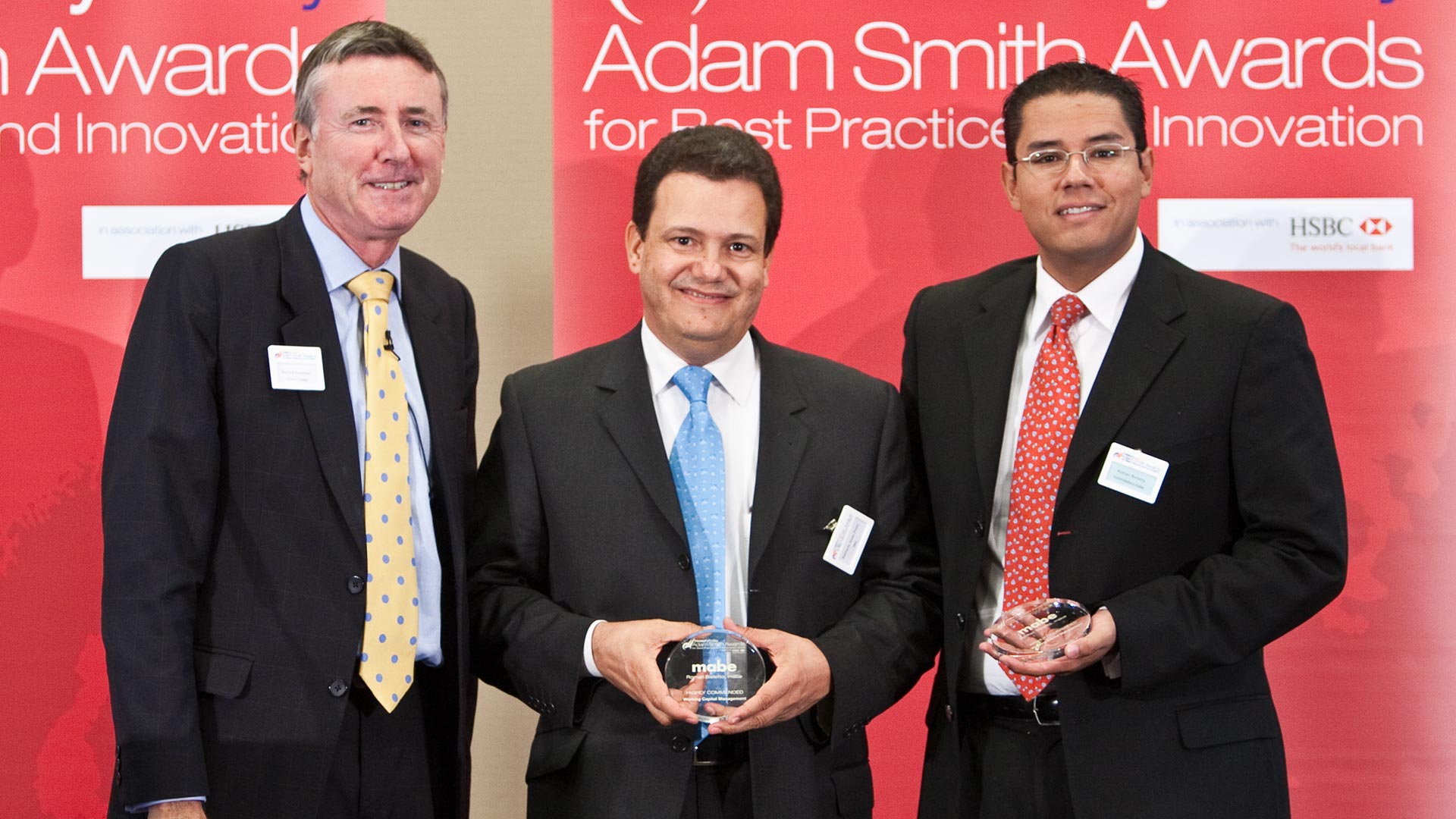
Controladora mabe was looking to build upon its strength in the domestic market by expanding overseas. At the same time, there was a need to improve the company’s balance sheet management and working capital position. In order to achieve this, the company was aiming to improve its Days Sales Outstanding (DSO). A receivables financing arrangement was thought to be the ideal solution but this type of arrangement was not widely available in the required currency, Mexican pesos.
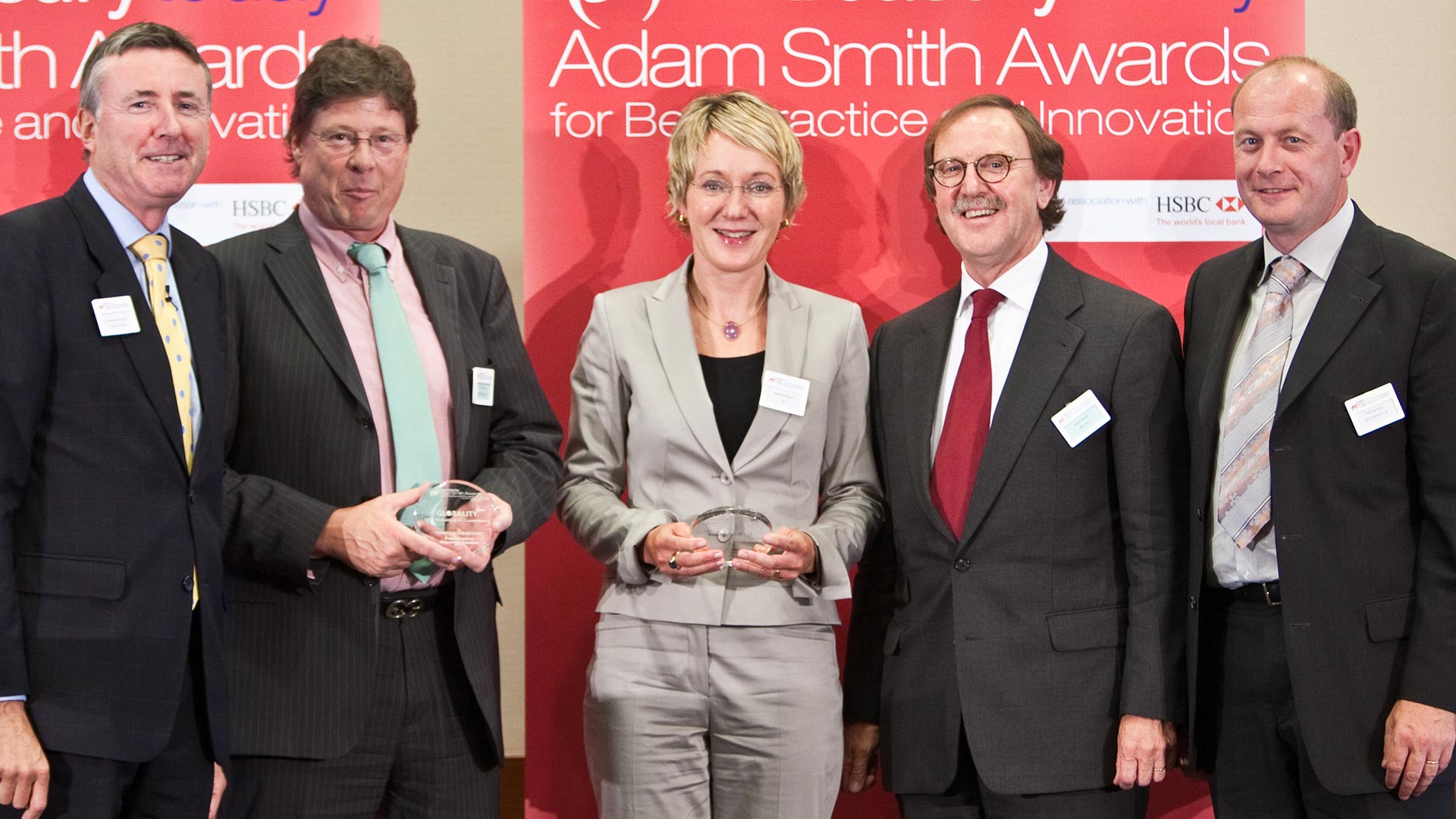
To date, DKV Globality processes payments in 61 different currencies, for customers in 153 countries around the world. In order to achieve this, payments were previously treated as cross-border payments and were arranged via a number of different interfaces and banks.
Randstad was looking for a solution that could automate the manual processes that were used in the order-to-cash cycle. “It is our credit policy to print statements for customers each month, as not every customer can be contacted in the month by phone call,” explains Erin O’Brien, Group Manager, Payables and Receivables.
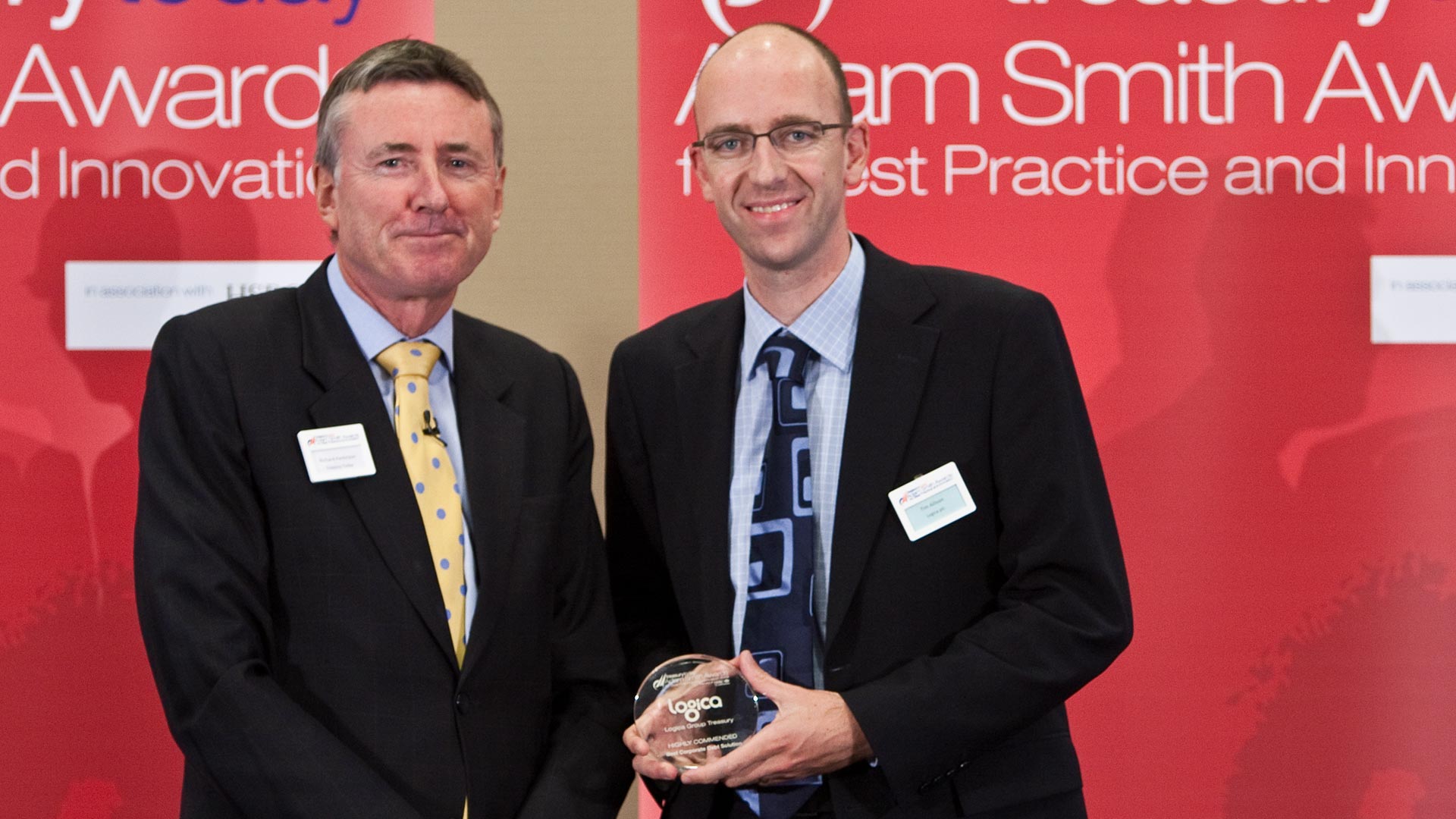
Entirely funded by bank debt, and facing the prospect of all its debt facilities maturing in 2010, Logica was looking to refinance in the second half of 2008. “We knew the external environment would be tough and that banks’ balance sheets were constrained,” comments Tim Allison, Group Treasurer of Logica. “We planned the transaction carefully and launched it at the right time for the company.”
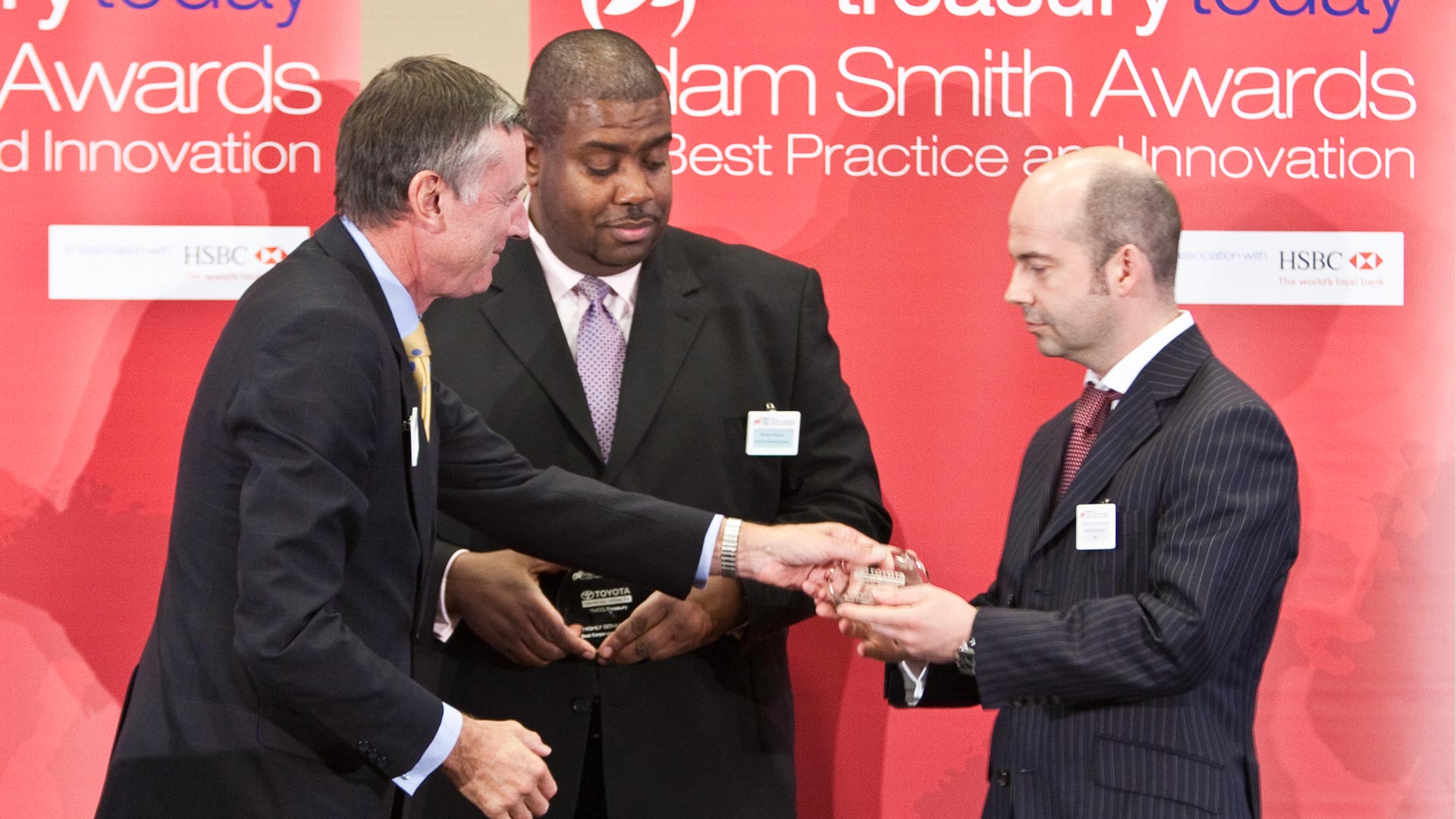
In response to Toyota’s growing US market share and Toyota Motor Credit Corporation’s (TMCC’s) growing consumer lending base, TMCC was looking for an opportunity to capture liquidity at a reasonable financing cost. However, the volatility in the global capital markets represented a significant obstacle, with the markets effectively closed to many companies. It was therefore essential to time the deal correctly.

GE Oil & Gas was facing extensive average FX exposures of $2 billion, which represented almost 30% of the company’s revenues. These exposures were spread through more than 80 legal entities around the world, arising from the company’s long-term projects, such as sales of turbines, which have an order-to-remittance cycle time of six to 18 months. Exposures also came from shorter term sales of spare parts as well as intercompany and external purchases.
Noble Group has experienced compounded growth of over 35% in the past ten years. From a treasury perspective, it is therefore essential to keep up with the pace of growth, stay ahead of the company’s funding needs and keep the company’s financial infrastructure current. In order to fulfil these goals, a number of initiatives have been employed which have led to a wide range of achievements across the spectrum of treasury activities.
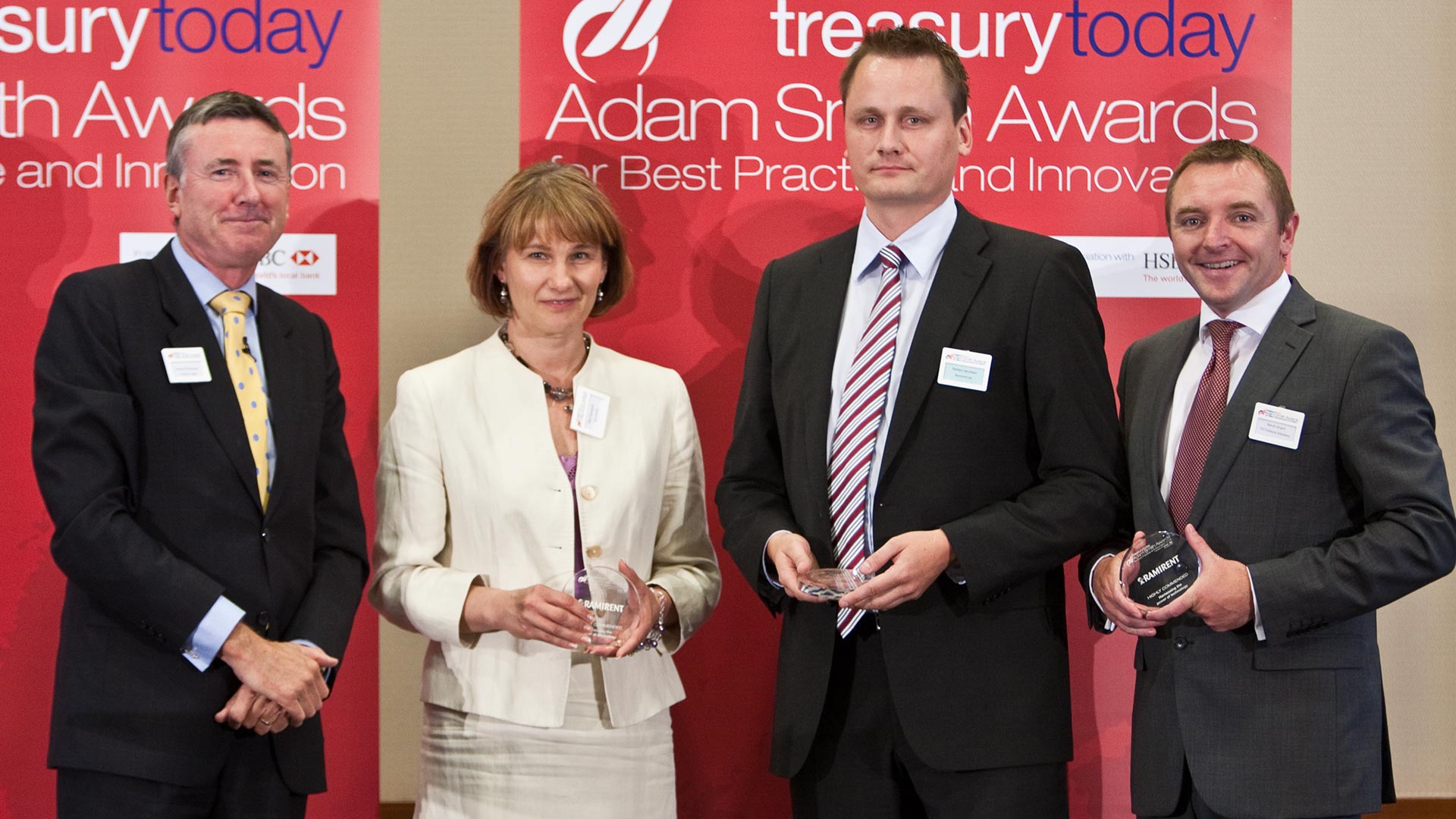
Although Ramirent Group is a large multinational company working in 13 countries and managing 12 different operating currencies, until recently the management of group treasury operations were to a large extent handled by manual methods.
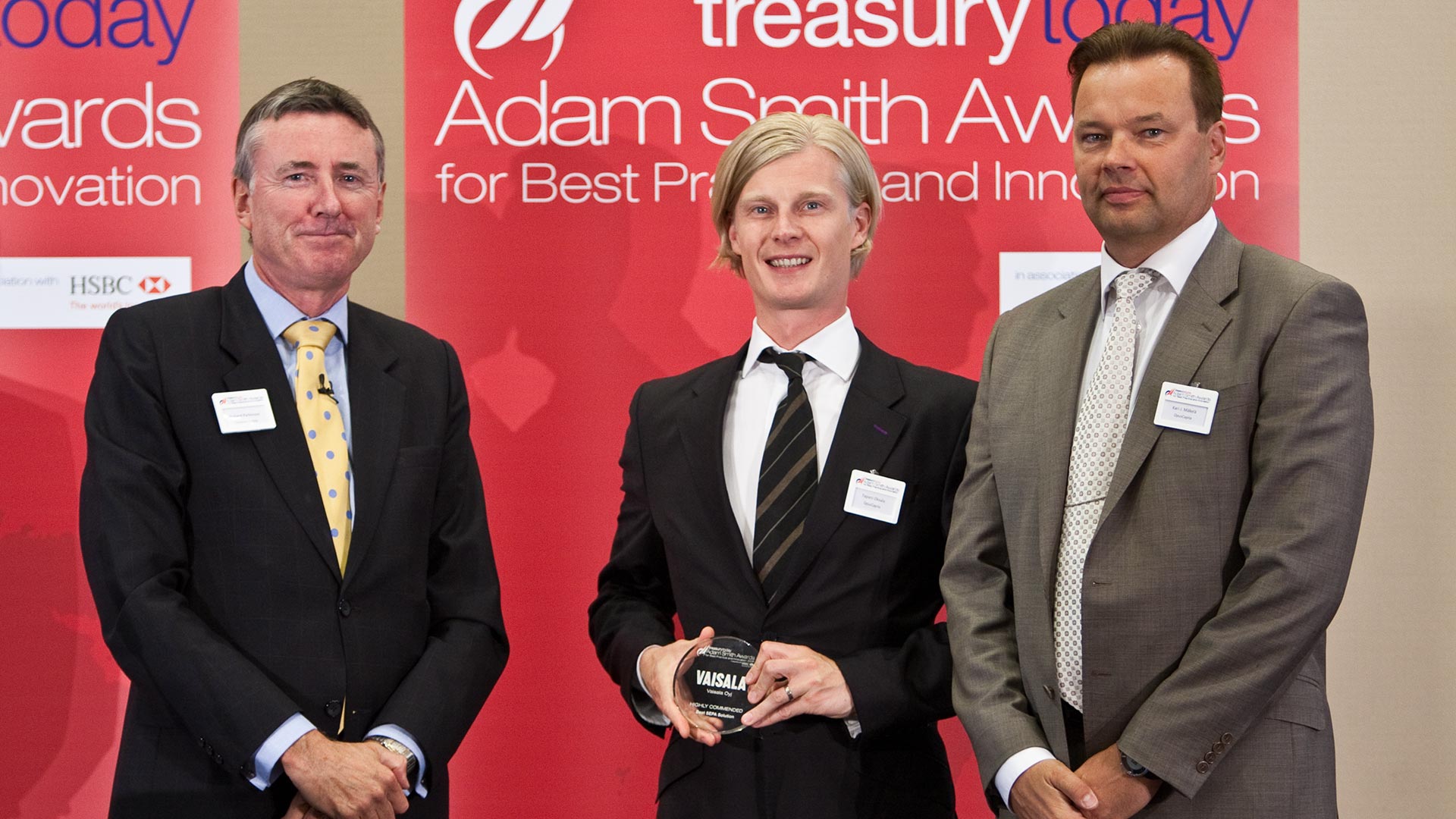
The Finnish deadline for full implementation of the Single Euro Payments Area (SEPA) is 2010 and in any case, Vaisala wanted to be among the first to reap the benefits of SEPA. Rather than managing the SEPA transition in-house, Vaisala was looking to adopt a solution to facilitate this.

Due to its successful growth efforts, Honeywell (China) Co. Ltd had seen a significant increase in its group cash balances – 65% of which were denominated in RMB and the remaining 35% in US dollar.