The challenge:
Samsonite is experiencing double digit growth and the CEO has an ambitious plan to double the size of the company through a combination of organic growth and strategic acquisitions.
There is consequently an ongoing need for cash within the company, which makes working capital a higher priority. At the same time, the company trades on the Hong Kong stock exchange, which regards working capital efficiency as a critical measure.
Against this backdrop, Paul Melkebeke has been tasked with taking a two-pronged approach to boost working capital: maintaining inventories at certain target levels, and optimising accounts payable by putting all the company’s Asia Pacific suppliers on payment terms of 105 days. However, in order to implement the longer payment terms the company must strike a delicate balance between its own working capital needs and those of its suppliers.
“For a number of suppliers these payment terms are really a challenge, and we acknowledge that,” says Melkebeke. “Aside from the 105 day payment terms, we typically raise a purchase order 75 to 90 days before the shipment is sent. At that point, the suppliers have to start buying the raw materials and components – and in many cases they have to pay cash in advance for these. So many suppliers have to spend money fulfilling orders as much as 180 days before they receive payment.”
The impact on suppliers was no small consideration: the company places great value on building long-term relationships. “We don’t order from one supplier today and another tomorrow – we want to have robust relationships that last for many years,” says Melkebeke. With some smaller suppliers struggling to operate on 105 day payment terms, it was clear that a supply chain finance programme was needed in order to fulfil the company’s working capital targets without compromising supplier relationships.
The solution:
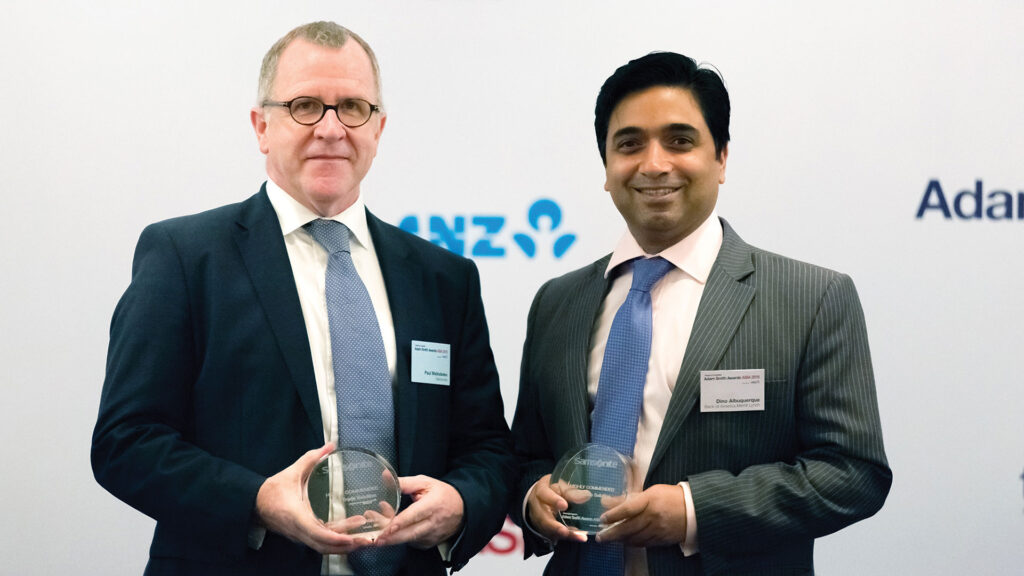
Samsonite decided to implement a supply chain finance programme provided by Bank of America Merrill Lynch. Using the bank’s portal, Samsonite uploads data which suppliers can access in order to see the status of invoices and draw money. The bank advances payment to suppliers between 15 and 30 days after the shipment of goods. Samsonite then settles the relevant invoices after 105 days.
“Naturally there is a cost to this,” says Melkebeke. “But suppliers understand that when they have submitted an invoice to us they may need to borrow money against that invoice. For a small supplier in China, the interest rate that they have to pay to their banks is based on their own creditworthiness, and this is much higher than the interest rate that Bank of America Merrill Lynch is charging via the programme.”
Best practice and innovation:
This innovative supply chain finance programme has enabled Samsonite to increase the payment terms offered to suppliers to 105 days, resulting in a significant increase in the company’s DPO and thereby improving the company’s working capital position.
Furthermore, by carefully managing the impact of extending payment terms on the company’s key suppliers, Samsonite has actually strengthened key relationships. Participating suppliers now benefit from greater certainty regarding the date when payment will be achieved, as well as accessing RMB and USD financing at rates more favourable than those offered by local banks. Samsonite has also gained competitive advantage by offering a programme not offered by its competitors in the market.
As Melkebeke concludes, “Extending payment terms to an impressive 105 days has brought significant working capital benefits to Samsonite, but the company wanted to achieve this goal without compromising its highly valued supplier relationships.”