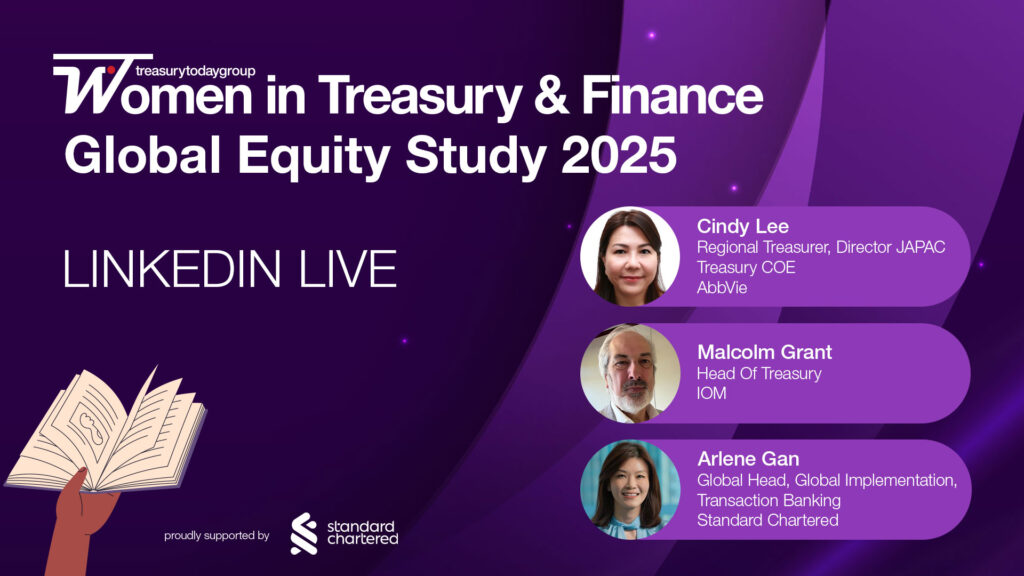
The conversation began with one of the most revealing findings in the 2025 Global Equity Study: half of all respondents said they felt excluded because of their age. Although religion, disability and sexual orientation are still sighted as reasons for exclusion, age and gender are highlighted as the most stubborn dividing lines. Moreover, panellists reflected that age discrimination doesn’t just impact older people. Younger people are also judged as “too young” or “not credible” because they lack lived experience.
“Instead of seeing age as a predictor of capability, see it as source of diversity,” said Lee. In one of the many actionable insights peppered through the conversation, she urged employers to nurture inclusion by ensuring a mix of team members on every project to ensure age diversity is easily visible. When staff see people early and later in their career working together, it alters how they view age. She said it shouldn’t just be young people who are classed as having potential: learning and growth are for everyone, whatever age.
Still, ensuring age diversity across an organisation is complex. Communication styles are different across age groups and different age groups also have different experiences using technology, for example. There are preconceptions around hierarchy and intergenerational leadership, and removing barriers requires a mindset that also addresses unconscious bias. Organisations can also foster a culture that redefines age by breaking down stereotypes like encouraging older people to get comfortable with technology.
Lee also reflected on the importance of adopting a different type of language to ensure age doesn’t become divisive. It means dropping common phrases like “at your age” or “we’ve always done it this way.”
Mentoring, sponsorship and coaching
The value of mentorship, sponsorship and coaching are consistent themes in our annual study and 2025 was no exception with 77% of respondents saying mentoring, sponsorship and coaching are key to a successful career.
Panellists reflected on the importance of distinguishing between mentoring, sponsorship and coaching which are often used interchangeably. For Gan, a coach is somebody who “works on you” to hone skills in a goal-orientated approach, a mentor “works with you” to help broaden perspectives and guide, while a sponsor “speaks for you” and advocates, opens doors and helps visibility. She said she had benefited from a coach, mentor and sponsor at various times in her career to provide both directive and reflective insights, drive intentional outcomes and act like a personal advisory board. “I have been lucky,” she reflected.
It’s the kind of support that is particularly valuable if your “responsibility grows faster than your experience,” said Gan. Arguing that careers are built “on performance but accelerate with a community,” she reflected that community, network and relationships are an area of career development where a sponsor can really help. If people fail to build relationships across the organisation or accelerate their community, they will not progress as fast, she warned.
Moreover, often people in treasury tend to be introverted or late starters. Arguing that it is “better to be late than never” Gan stressed the importance of building and nurturing a network especially at a time when people are moving organisation more regularly, potentially stymying their network.
“If I hadn’t had good coaches, I wouldn’t be where I was,” reflected Lee who argued that the most successful mentoring also depends on people knowing what they want. “I always say to the team, you must know what you want for somebody to help you.”
Mentors should ensure mentees feel able to approach them, added Grant who never benefited from receiving mentoring himself, but has been enriched by the process of mentoring others later in his career. “It has allowed me to learn about the perspectives of other generations. I would recommend to anyone else to grab it as great experience.”
Panellists added that successful mentoring will always depends on chemistry and strong relationships are founded on trust, honest communication and feedback. Mentorship, reflected Grant, requires a “safe space” where people feel able to talk about career progression and how to navigate different personalities or talk about concerns of career stagnating. To really understand someone else’s position and advocate for them involves listening. “It is the first port of call,” added Lee.
Equity is not transactional
Grant argued that equality is not transactional and is not about “taking from men and giving to women.” Rather, equity integration depends on persuading men they stand to benefit from equality. For example, more female representation brings a different approach to problem solving and creates a stronger team. It encourages men to take time off for parental leave to share the burden at home, something he noted was changing amongst young people. He also stressed the importance of highlighting women successes because the more female success is normalised, the less likely men will “see it as a threat.”
An organisation sets its values from the top, and leaders need to drive equity with clear value statements on acceptable behaviour, strong rules around harassment and encourage whistle blowing and safe spaces in a statement of values that ends behaviour that can marginalise people.
But it also requires bottom-up strategies that encourage people to rise up. This could include offering vocational opportunities and roles for people who haven’t gone to university that ultimately enrich an organisation, he suggested.
Would positive discrimination help? Although the study reveals the steady increase in support for quotas from a low of 12% to 40% today, panellists remained unsure if positive discrimination works. One of the risks is that people are selected by who they know.
The conversation concluded with reflections on strategies to ensure everyone is heard and listened to in meetings. One approach is to let someone else advocate on your behalf; leaders can also introduce topics quieter members feel confident talking on, and steer away from those that dominate. Grant successfully applied this approach to encourage a culturally shy team based in the Philippines to contribute more.
“Some people tend to speak more than others, and it is incumbent on leaders to create opportunities for people to talk and introduce topics they are confident talking on. Inclusivity is not as easy.”