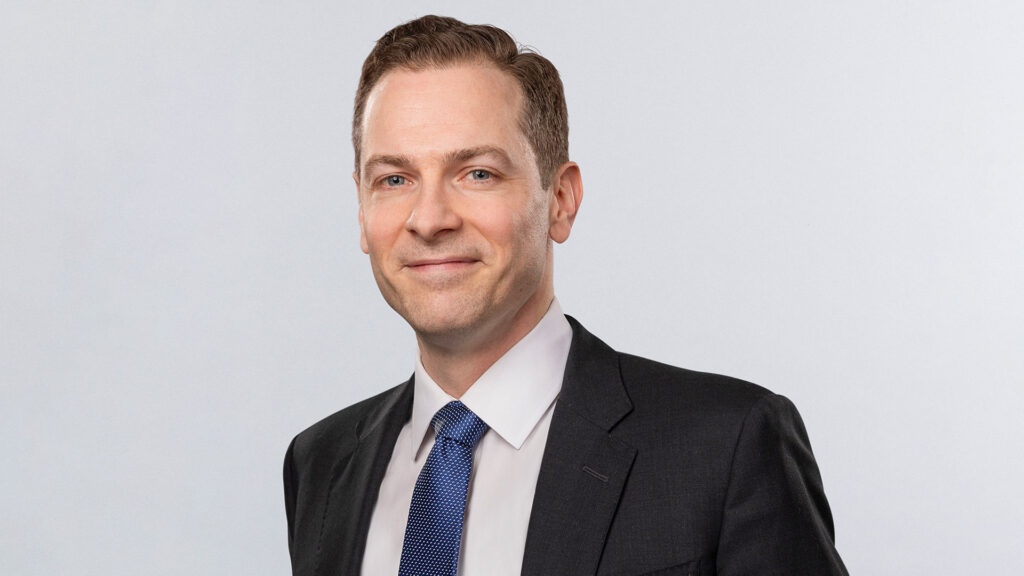
Tell me about your current role and career history.
I’ve been in banking for about 25 years. I started in transaction banking on the operations and service side, and over time my career has evolved into product management, and then into coverage. Along the way, I’ve touched almost every part of transaction and corporate banking.
Today I’m the Head of International Corporate Banking in the Americas at Barclays, as well as the Co-head for Global Treasury Coverage. Transaction banking also rolls into me as part of the corporate banking piece – so I’m working with clients across financing, liquidity, trade and broader treasury solutions.
The role sits at the intersection of corporate banking and treasury. Increasingly it’s become very important to our clients that we can pull that all together, solve their problems, and be a force multiplier to make their jobs easier.
How would you define great treasury coverage in 2026?
Great treasury coverage is about being connected, relevant and consistent. People throw around a lot of buzzwords, but unless you have those three elements, you’re not a good partner for those clients.
Because the client is expecting a seamless banking experience, our job is to ensure there are no product silos. We also need to understand our clients and marshal the resources of the firm and the industry that we represent to solve their challenges.
I’m always so impressed by treasurers. During the last ten years, their jobs have become incredibly challenging, and their roles have evolved from operational to strategic. I feel very fortunate to partner with them.
How is Barclays’ approach to transaction banking evolving?
Transaction banking is a strategic investment area for the firm, so Barclays is very focused on making sure we provide a broad, integrated solution to solve our clients’ problems.
We’re focusing on improving client experience and delivering high-quality growth for our clients and for the firm. This translates into bringing financing and treasury closer together and simplifying how clients access our products and capabilities.
Technology is a key part of this, but I think technology is most valuable when it removes friction, rather than adding complexity.
Which topics are clients asking you about right now?
Clients continue to ask us to help them create visibility into their operations – not just in terms of cash, but in the movement of funds and financing. Treasurers want to reduce complexity, gain clear visibility over the liquidity they rely on, and have us deliver consistently, particularly in this very complex cross-border environment.
Other key themes include payments modernisation and working capital efficiency. And risk control – particularly around fraud and resiliency – is something that comes up again and again.
Which macro forces are highest on the treasurer’s agenda in the second half of 2026?
There are three themes that continue to emerge when talking to clients across sectors. The first is liquidity and capital efficiency, and how cash is deployed. This is always front and centre for clients, but in the current environment this has been supercharged.
The second is geopolitical complexity, which is driving a stronger focus on resiliency and being mindful about how you structure and deploy your capital, as well as your supply chains and resources.
And a third is digitisation and data, which includes AI and blockchain. Treasurers are looking for better visibility, and for tools that can help them make decisions quickly and effectively.
How can treasurers make the best use of AI and data?
We’re trying to make sure we don’t use AI as a slogan, but as part of the broader push towards making things simpler and getting more access to data.
The industry is evolving towards more automation. Treasurers don’t have enough resources, and they’re looking for ways to manage an increasingly complex and sprawling international infrastructure. AI is a very important tool for helping them achieve this.
At the same time, we’re applying AI on the fraud side – it can spot operational breaks as well as bad actors. With AI, you can evaluate massive amounts of data and see situations where there’s a risk, or where an episodic event is happening.
Any closing thoughts?
Treasurers’ jobs are so tough, and I’m always inspired by what they’re able to do. This generation of treasurers has really raised the bar in terms of impact, capability and speed of action. So much is being asked of them – not just by their organisations, but also by the fundamental system dynamics of the market they’re operating in.
In the past, treasurers have been the unsung heroes of the organisation – but now I feel they are finally becoming more visible and getting the credit they deserve.