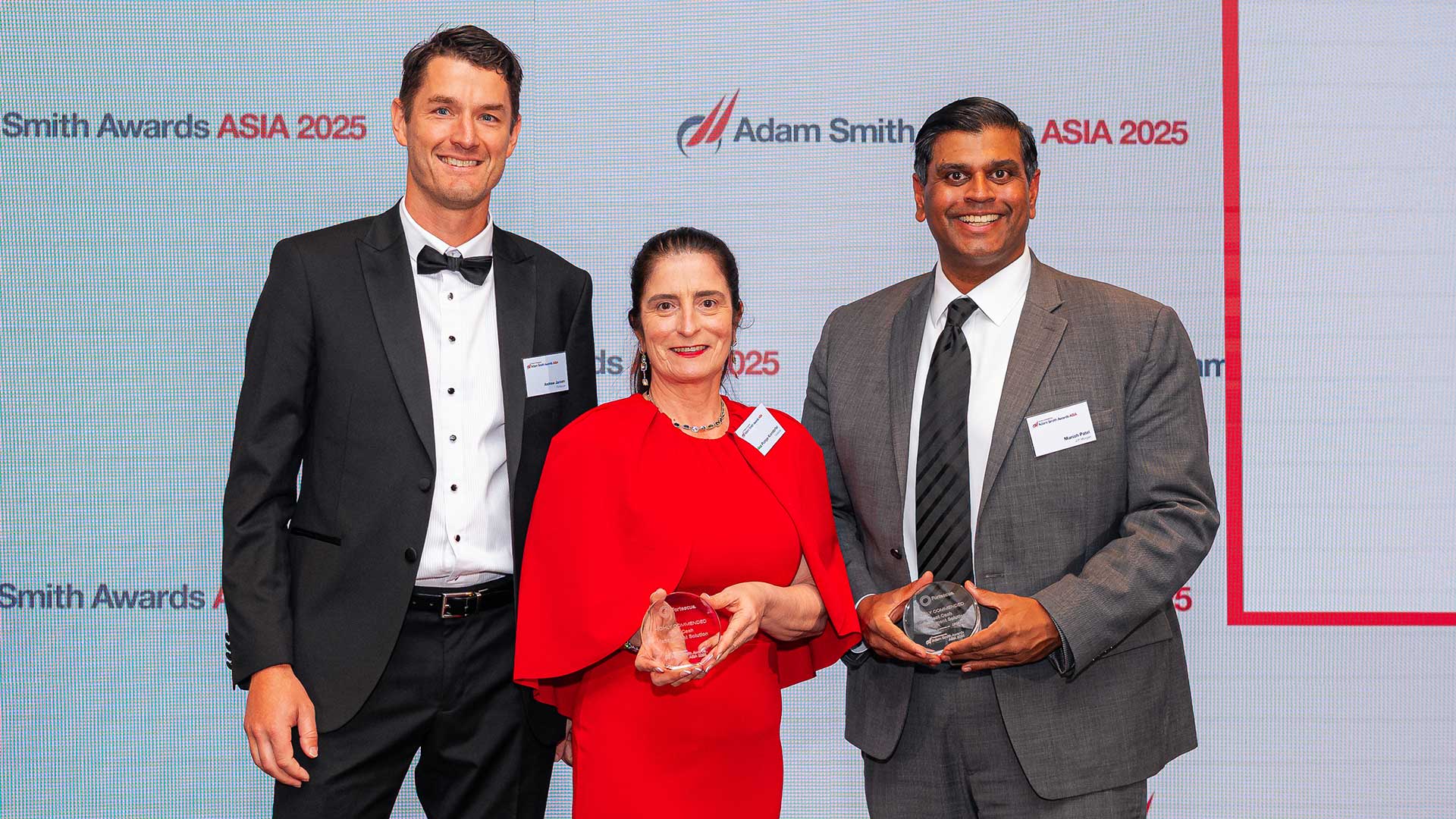
Fortescue’s strategic transformation from a leading iron ore producer into a diversified technology, energy and metals group significantly increased the scope and complexity of its treasury operations. As the company expanded its global footprint, the number of bank accounts ballooned to more than 180 creating additional challenges in liquidity management, cross-border payments and FX operations. This rapid growth required a more sophisticated treasury ecosystem to keep pace with the scale and complexity of operations.
Managing these increasingly complex financial flows, required more than incremental system enhancements. The expansion introduced a series of pressing operational challenges that risked reducing efficiency and slowing decision-making. Treasury staff were managing cash flows across multiple countries and currencies, making strategic decisions around optimal deployment and investment of funds more challenging. Manual reconciliation processes consumed significant resources, leaving limited capacity for higher-value activities such as strategic analysis and investment planning.
Liquidity management inefficiencies became apparent across jurisdictions, where multiple banking relationships and fee structures created avoidable costs. At the same time, sub-optimal yield generation on substantial cash balances meant that capital was not deployed as effectively as possible to fund the company’s growth aspirations. Cross-border transactions to emerging markets including Africa, Latin America and Asia posed further operational challenges, therefore, a reliable, transparent and trackable payment infrastructure was essential.
The need for multiple bank accounts across jurisdictions added operational inefficiency, particularly in shipping operations where traditional banking relationships demanded higher set-up costs and ongoing maintenance. Fortescue required account solutions that could reduce the need for physical accounts while still preserving operational visibility and control.
Foreign exchange management in exotic currencies was also hindered by fragmented provider relationships, preventing efficient cash optimisation and increasing the workload on treasury teams. Trade finance processes relied on manual, paper-based workflows, creating administrative bottlenecks and restricting scalability as export volumes grew.
Centralised control capabilities became a key priority, allowing the Perth-based treasury team to manage global operations efficiently from headquarters.
To address these challenges Fortescue needed a banking partner with the ability to deliver integrated, continuously evolving technological solutions rather than one-off implementations. A scalable, future-ready treasury platform would provide a competitive advantage by evolving in tandem with the company’s growth and technological innovation, reducing the need for costly system replacements down the line.