Adam Smith Awards Asia 2014 winners
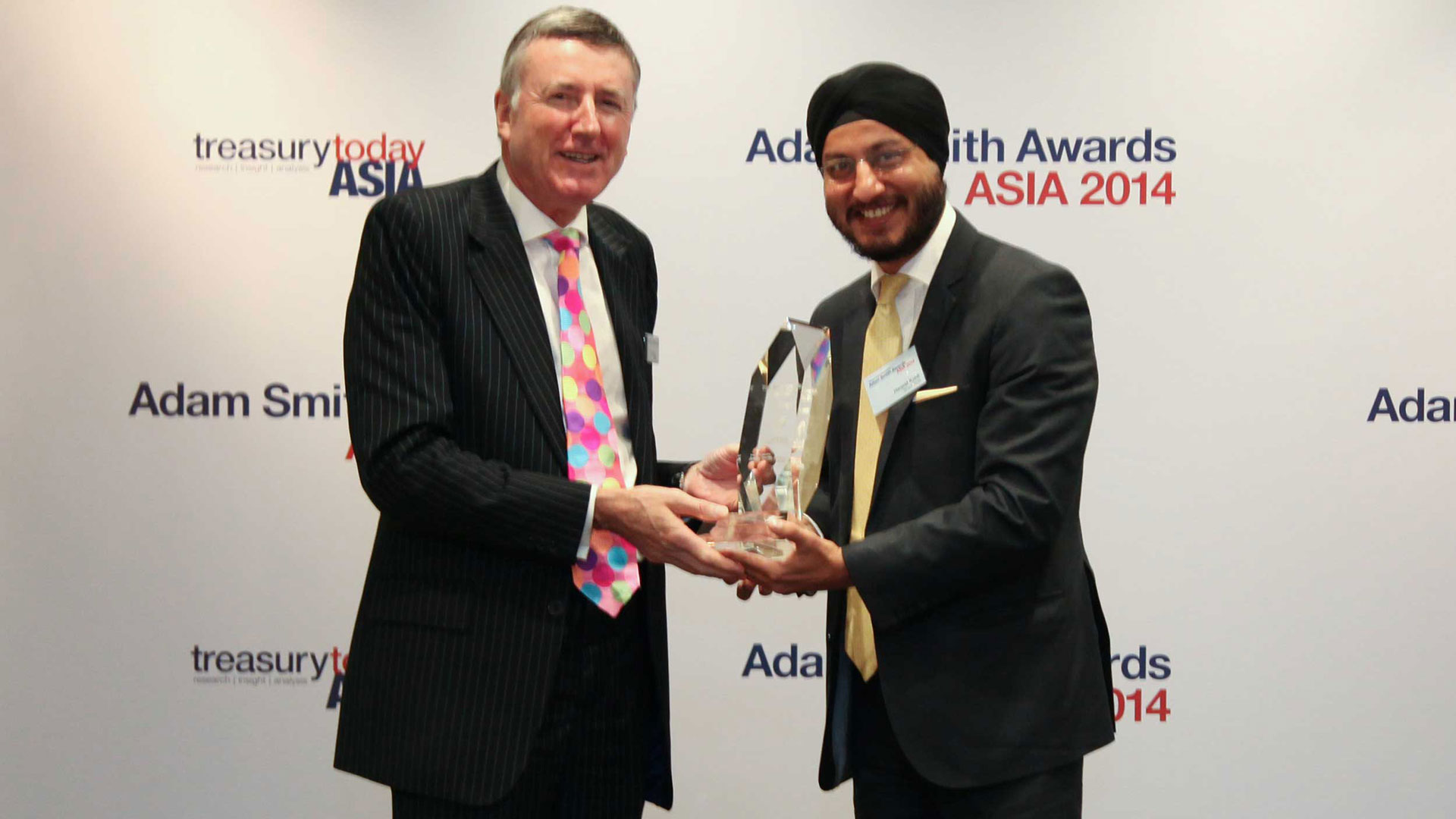
Treasury Today’s Top Treasury Team Asia accolade goes to the Bharti Airtel team in New Delhi, India. This was a truly outstanding submission covering a treasury transformation across seven key pillars of the treasury function which has delivered some impressive benefits. Our judges felt the team’s submission in the Best Financing Solution category was worthy of special recognition in that category too.
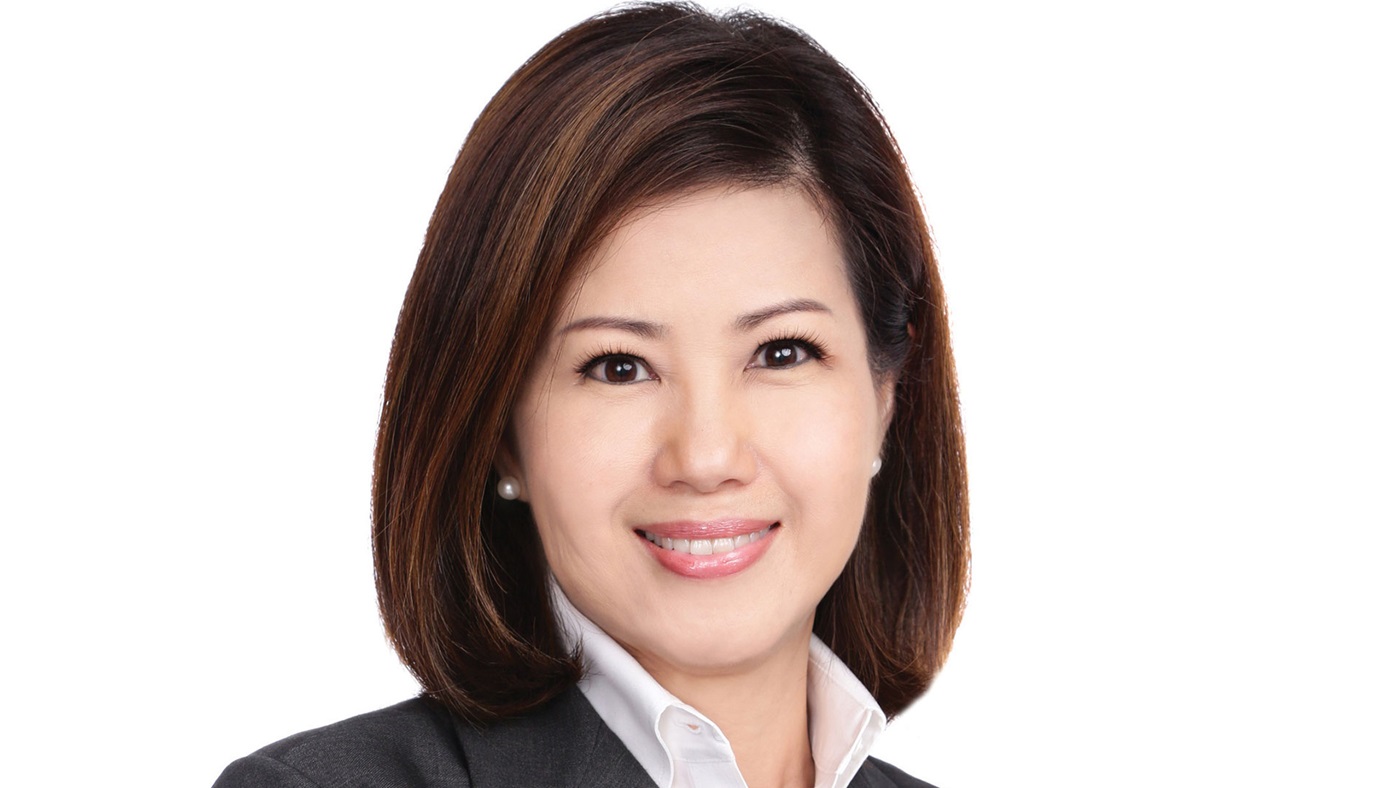
The Woman of the Year Award was first introduced in 2013 and has attracted enormous interest. We were truly amazed at the high standard of all the nominations in this category. It reinforces our belief that there are many fantastic women within the industry enjoying inspiring and very successful careers.
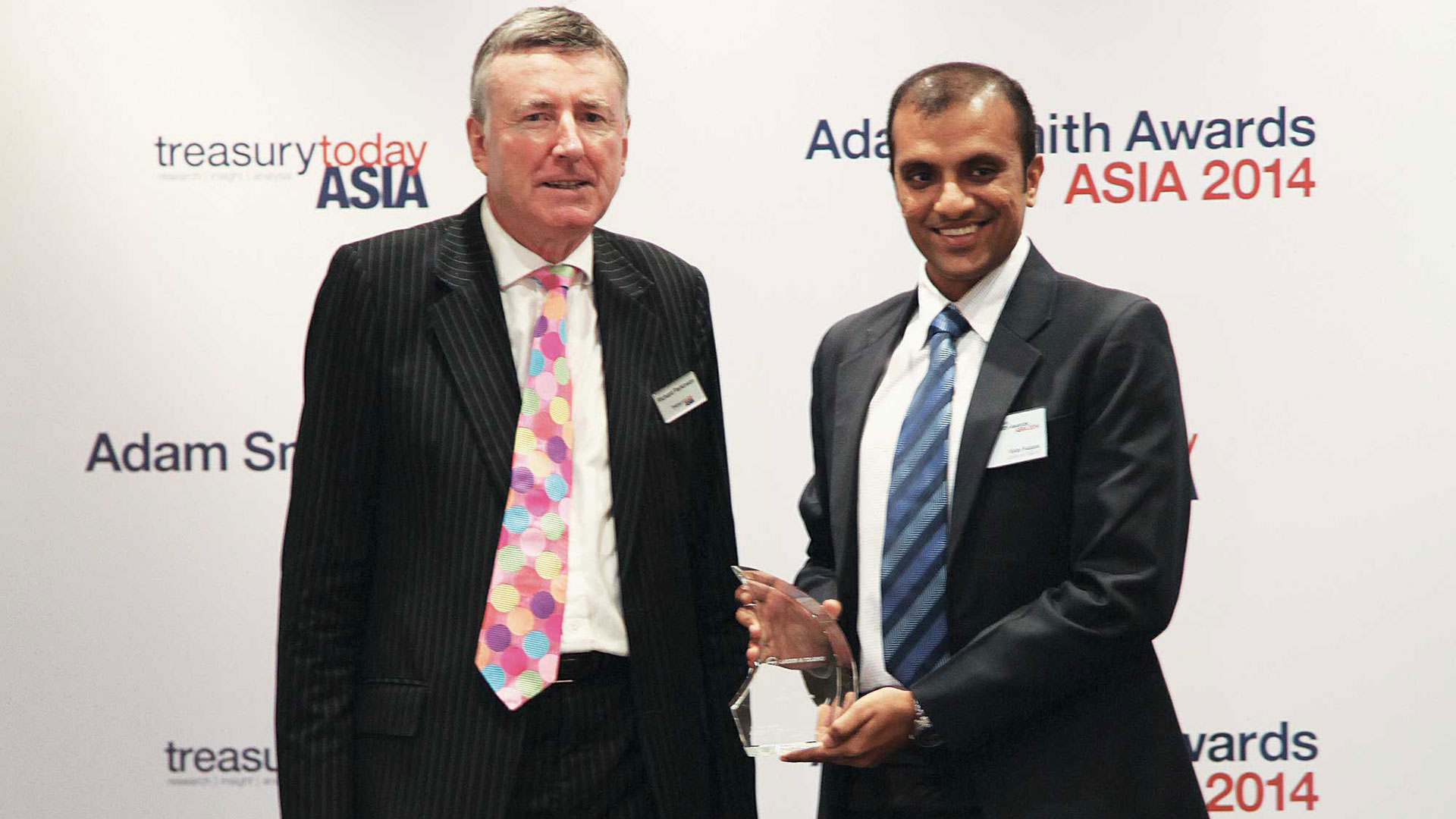
This nomination was submitted in the Best Liquidity Management/Short-Term Investing Solution category but our judging panel felt it most worthy of winning the Judges’ Choice award due to its innovative nature.
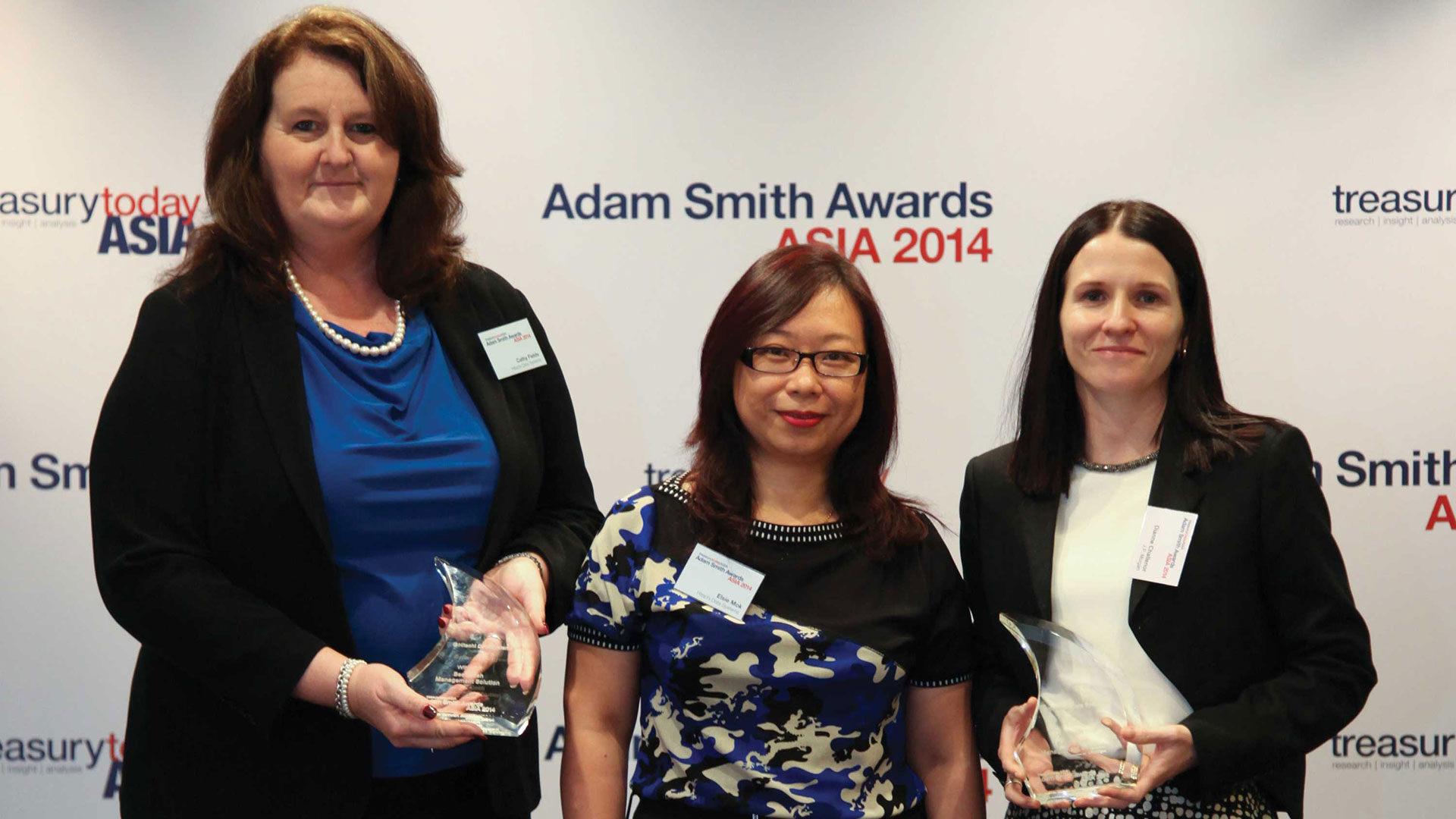
The global scale of operations at HDS had created numerous challenges for its corporate treasury team. To address these challenges HDS implemented a solution that included a more effective cash management structure with host-to-host connectivity, centralised account management, simplified bank account documentation and best practices for yield enhancement on excess cash through a liquidity management account.
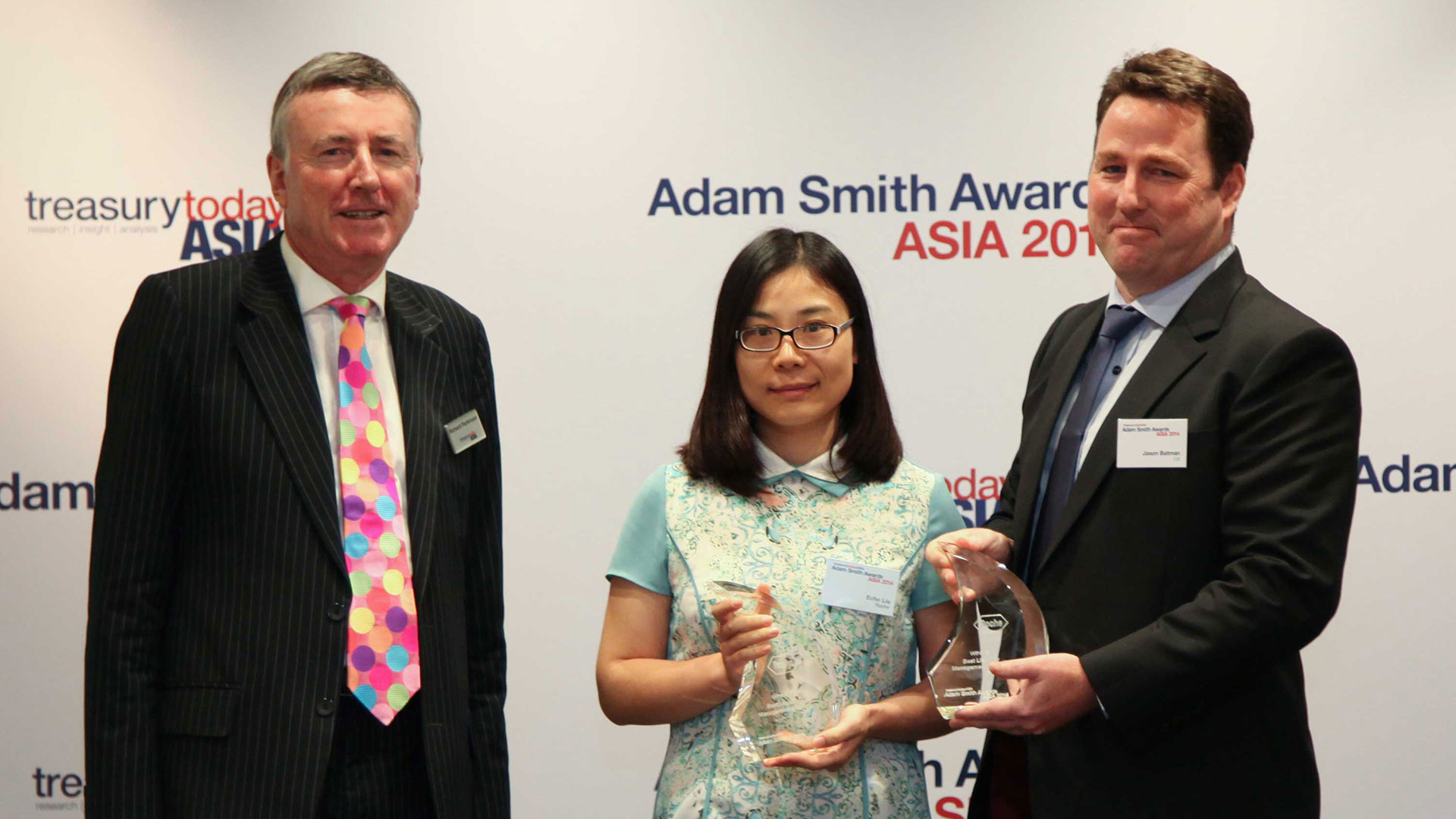
With the launch of the Shanghai Free Trade Zone (SFTZ) framework in February 2014, Roche, in partnership with its bank, was one of the first companies to receive People’s Bank of China’s (PBOC) approval to implement a cross-border RMB pooling structure. Following months of review and consideration between PBOC, Roche and its bank, a structure was approved by the authorities that would allow Roche to facilitate intercompany lending and borrowing with overseas affiliates, which is an extension beyond purely intercompany lending from China.
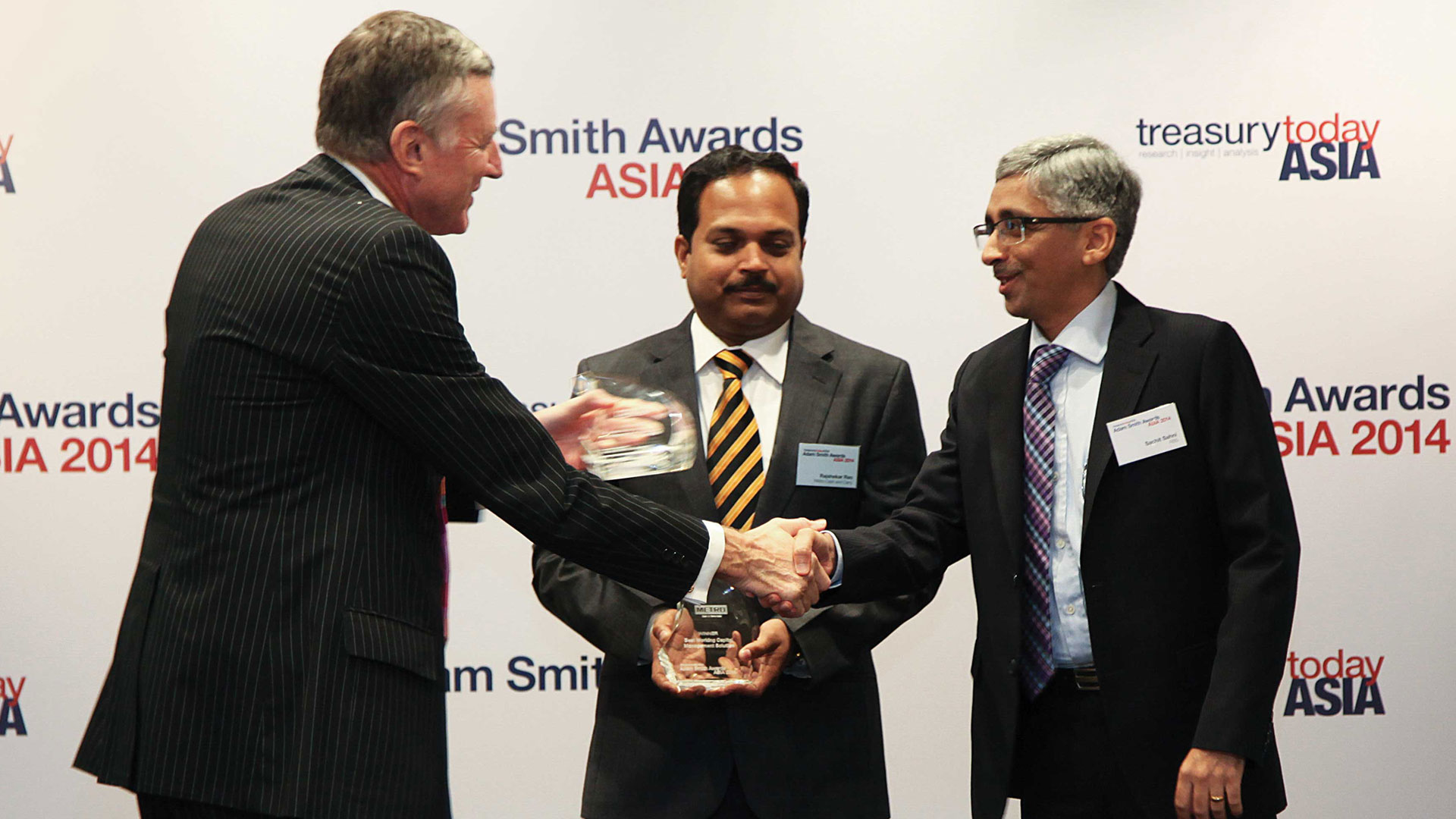
In India cash and cheques remain the predominant payment means; cheques constitute 10% by volume. Therefore, operating across a country of such geographical breadth makes the collection of cheques quite a challenge, especially in remote locations. Cheque transit times can vary from two to five days, depending on the cheque pick-up and clearing location. The solution uses cheque truncation technology to process cheques through image-based clearing.
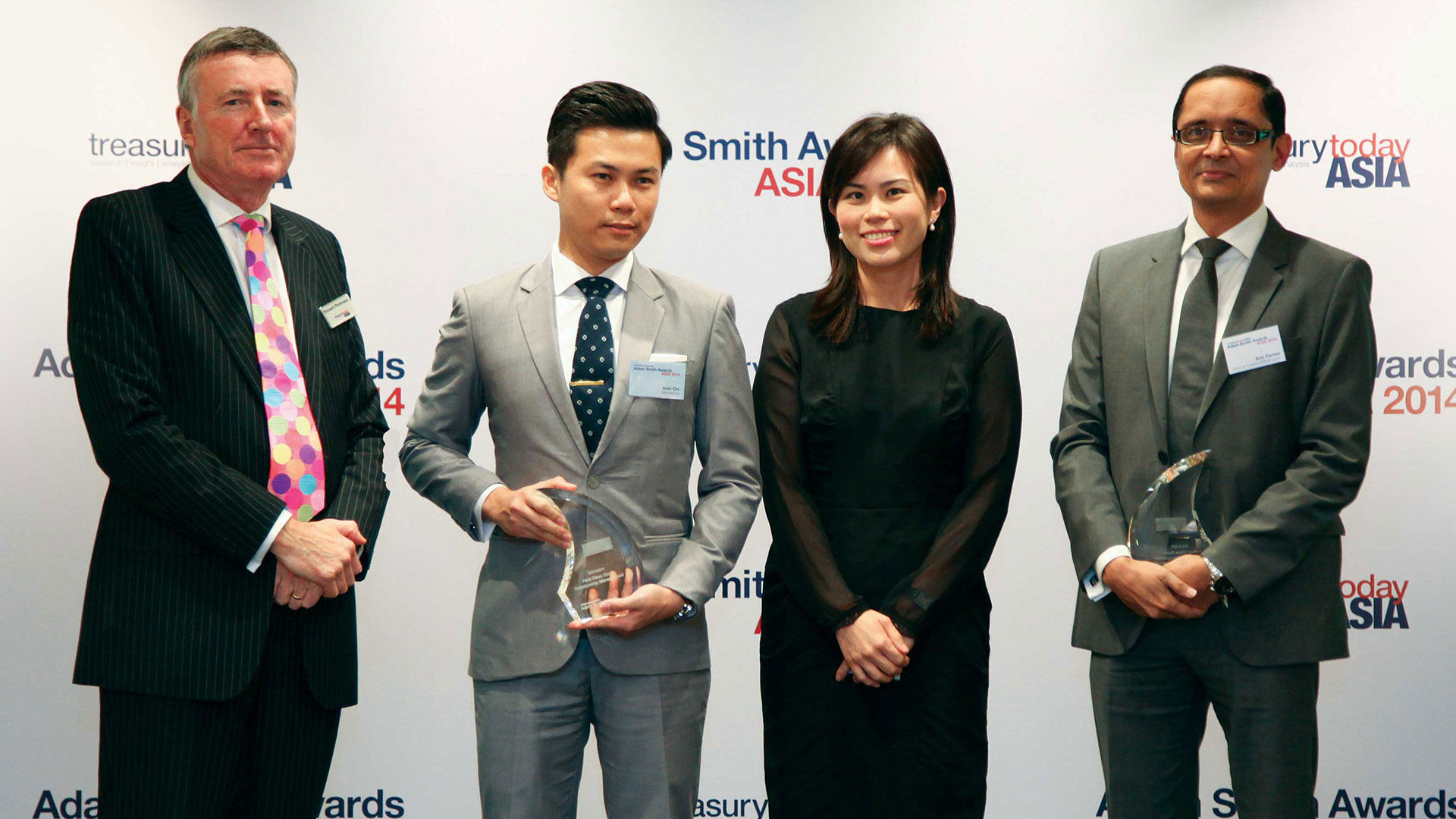
Blackstone was looking to establish an Asian-focused real estate fund that would allow it to target business opportunities across a number of different countries in the region. In order to support the company’s requirements for a close relationship, the bank provided a dedicated client service director and implementation advisor to cover Blackstone’s requirements across the region. This relationship is further strengthened with the support of a dedicated Regional Treasury Coverage Officer based in Singapore and a Corporate Banker.
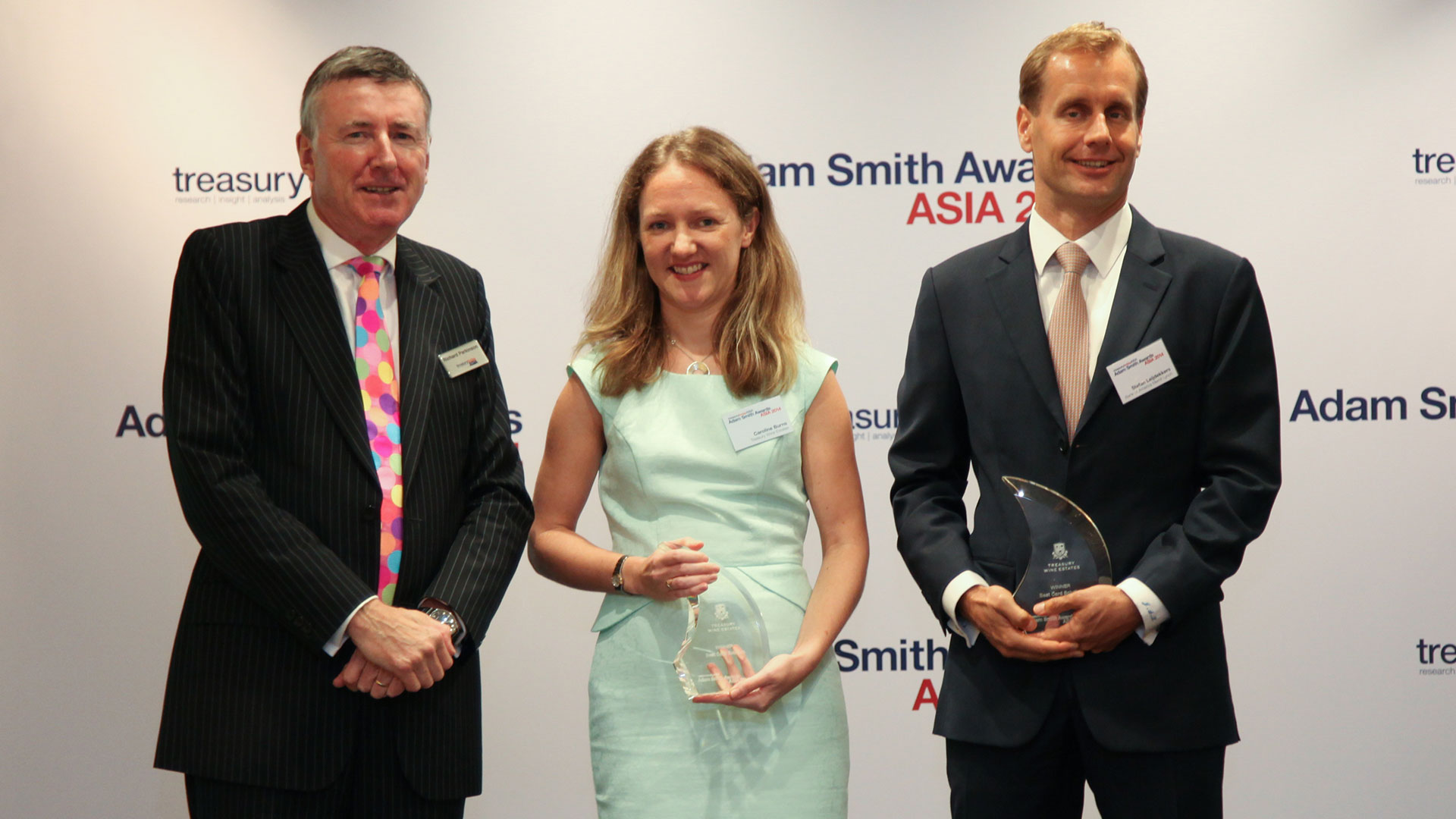
Following the demerger from Foster’s Group, TWE was left with fragmented corporate card arrangements including different card providers in each region.
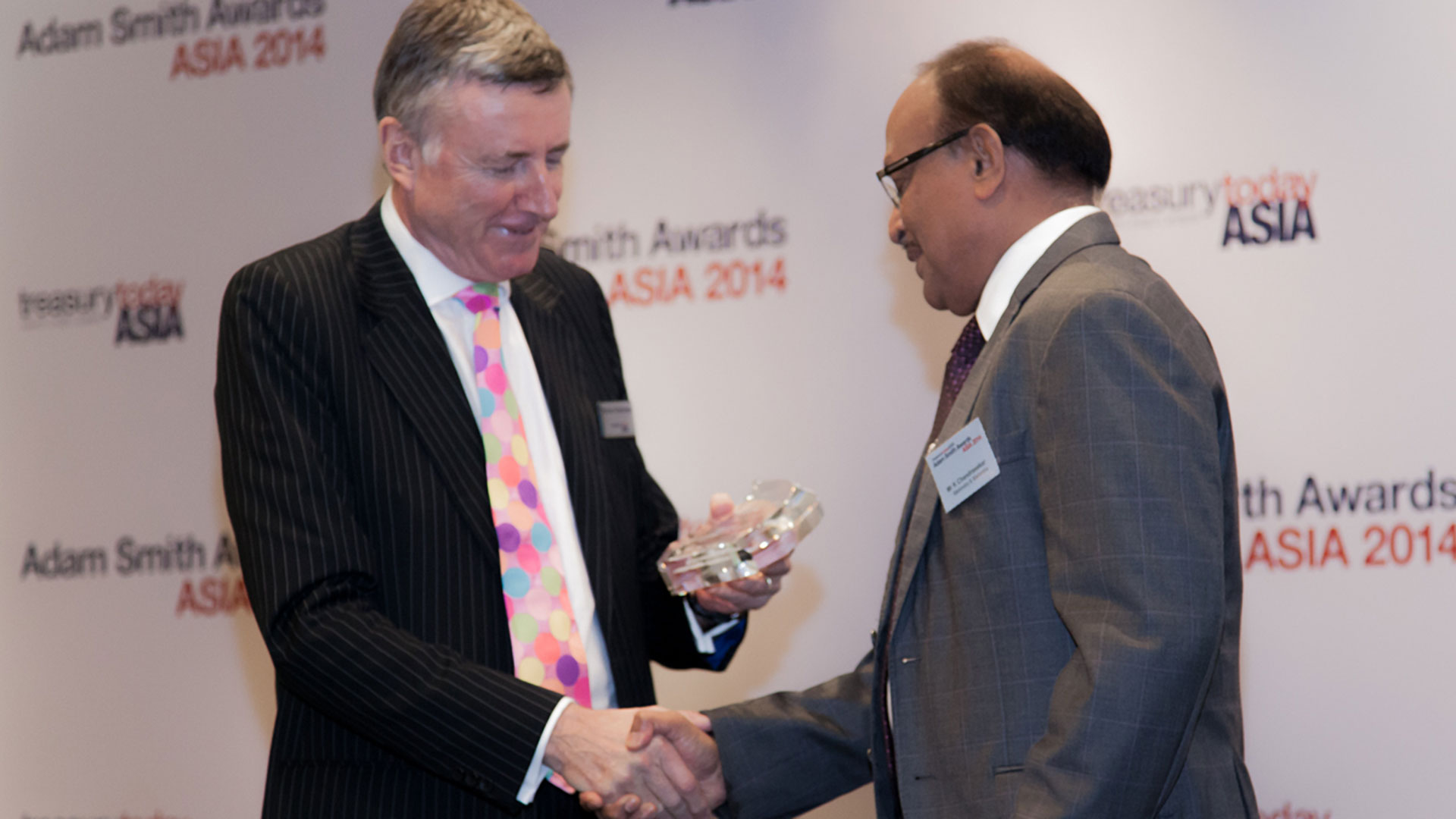
The desired solution was to issue a 50-year bond with an interest rate of 9.55% pa with no put or call option. The challenge, however, was convincing investors to take on M&M’s credit risk for 50 years under these terms. Also the M&M board needed to be sufficiently convinced that the deal was not taking on a costly debt, particularly as the interest was expected to soften in years to come.
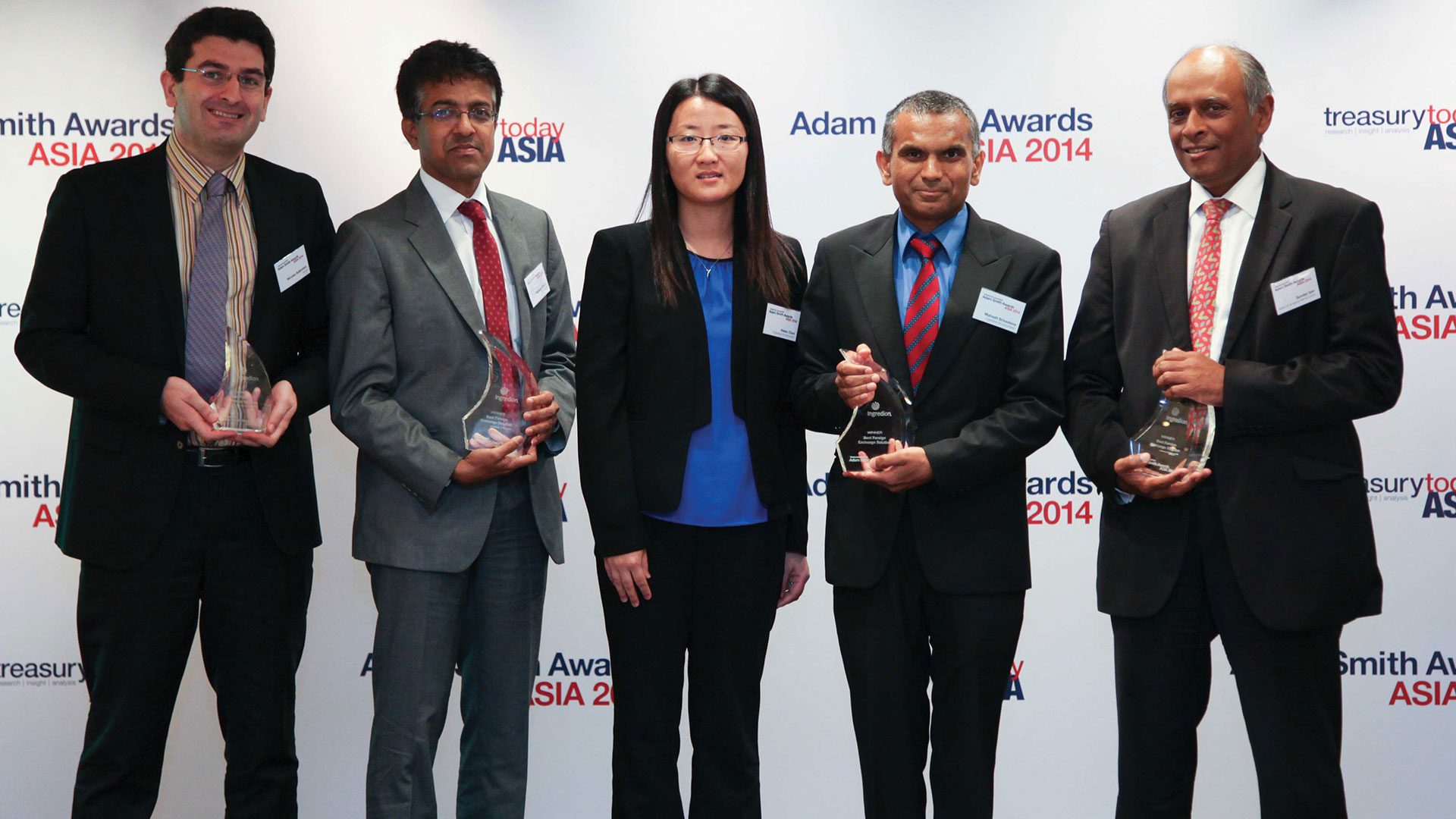
When Ingredion acquired National Starch, it went from being an international company to a global company, with all the complexities that came with it. Their plan was to consolidate all the global currency and risk management processes in Asia Pacific and then look at the people they needed to run these systems – rather than looking at the people first and the system second. They wanted to integrate a single bank platform and a single currency platform and link them both for optimum treasury technology in the region.
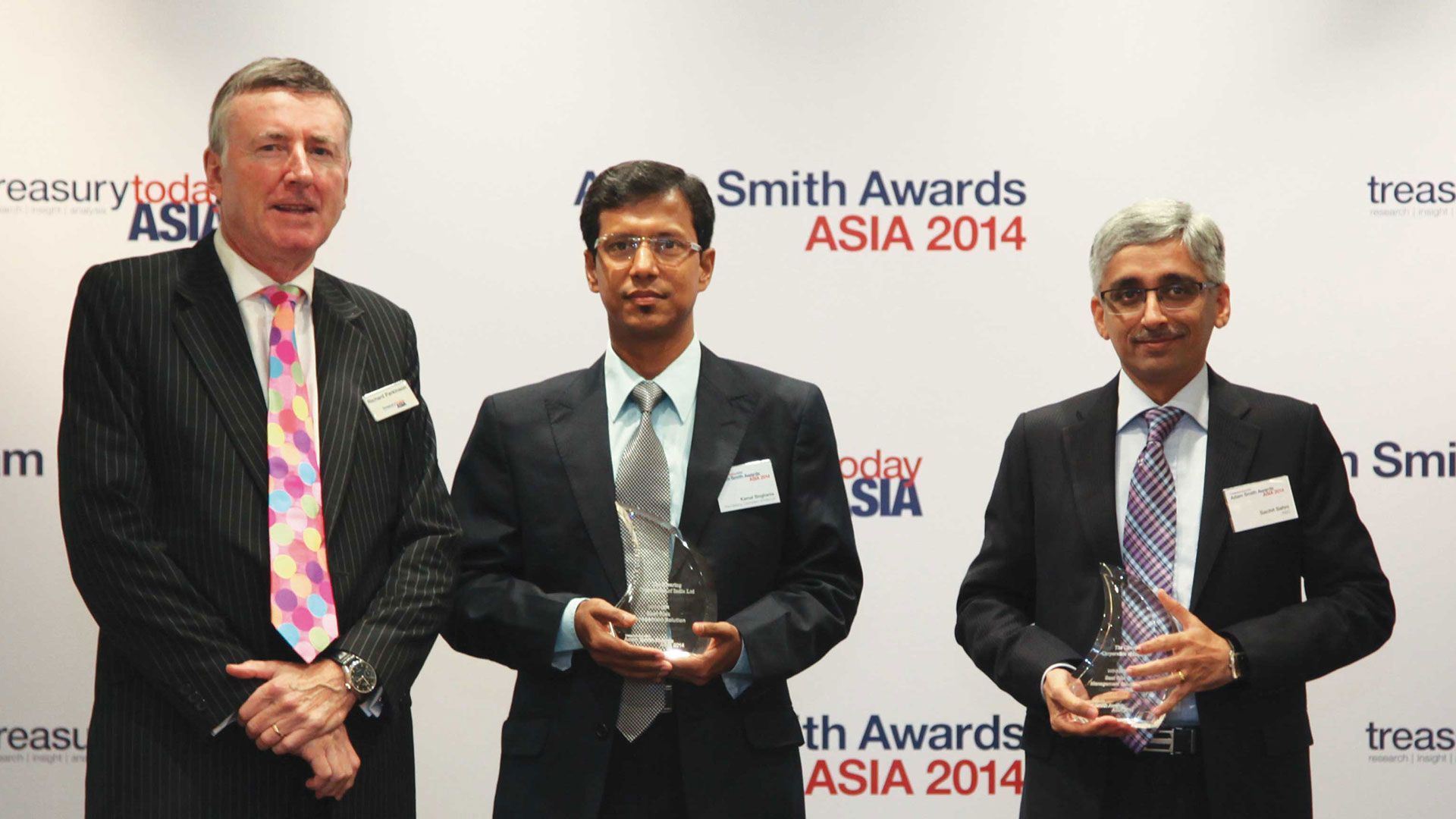
The CCIL has facilitated the settlement of cross-currency deals for banks in India, in 14 CLS eligible currencies, through the CLS Bank since April 2005 by availing itself of third-party services from RBS.
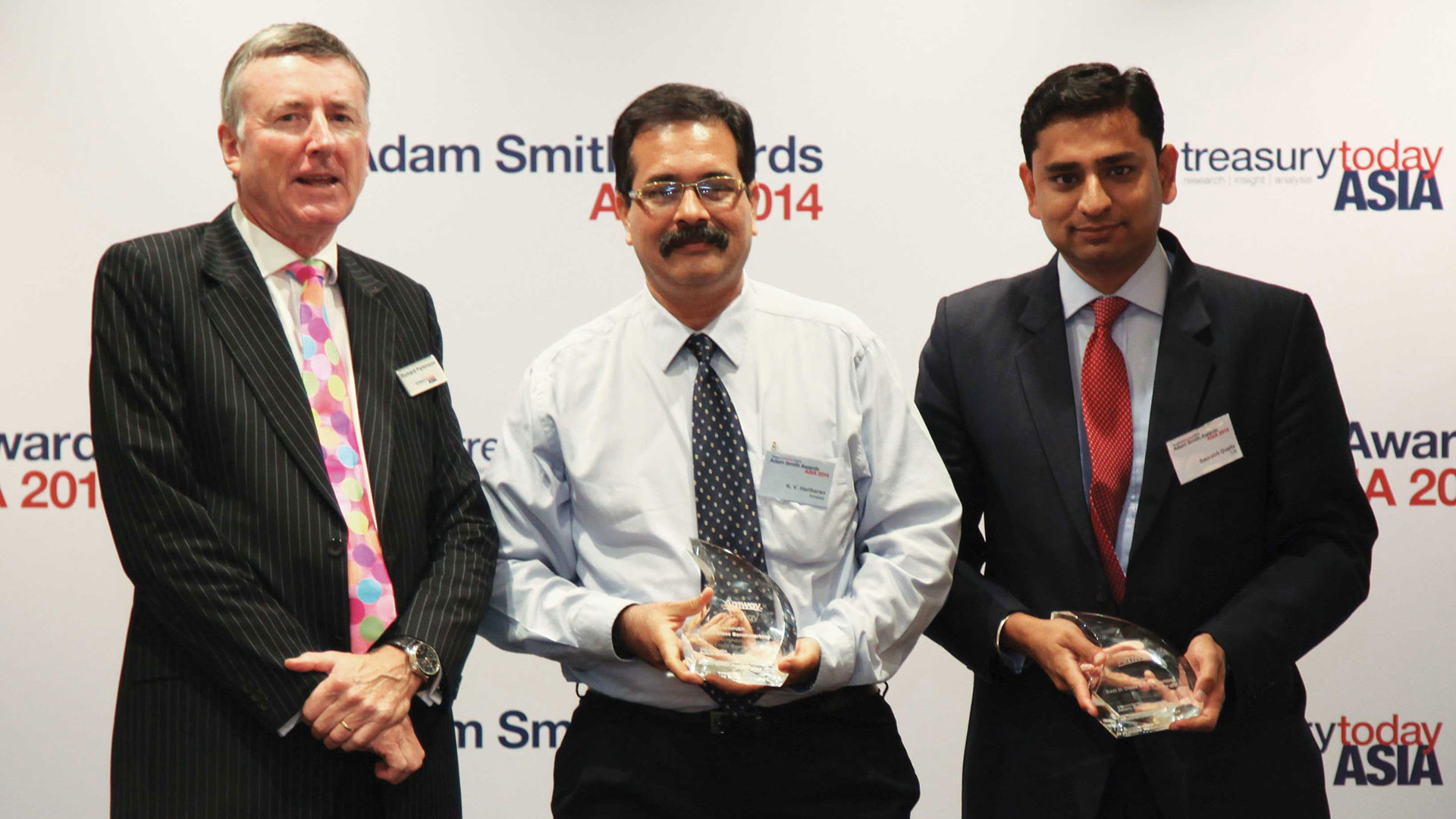
Amway embarked on a benchmarking project that would identify the important benchmarks of success around areas such as improved fund management precision, greater resource efficiency, and a more controlled risk environment. In doing so Amway benchmarked their current performance and then went into the market to see what was available in order to improve this.
Although this project is internally focused, it relates to the management of operational risk in a sensitive area of the company’s financial supply chain, electronic banking (EB). As companies become increasingly dependent on EB systems, there is the risk that a company’s growth and expansion may occur without prior consideration to its existing controls and processes.
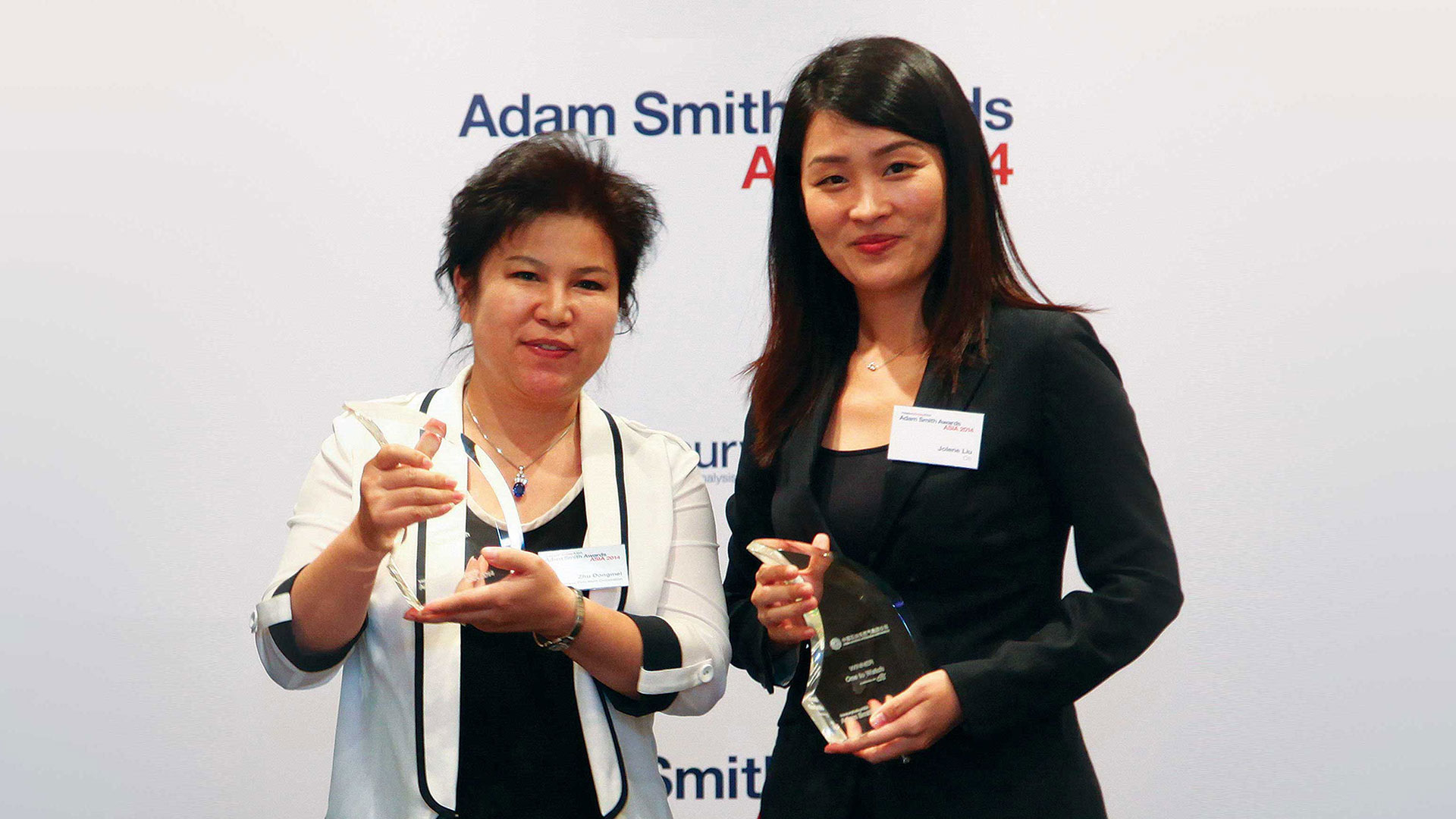
In the design and development of the platform, the company consulted leading industry peers such as BP, Shell, Total and GE to learn about their experience and best practices in treasury management. The outcome of this learning is a highly original, customised framework that addresses the specific strategic and operational needs of CNPC.
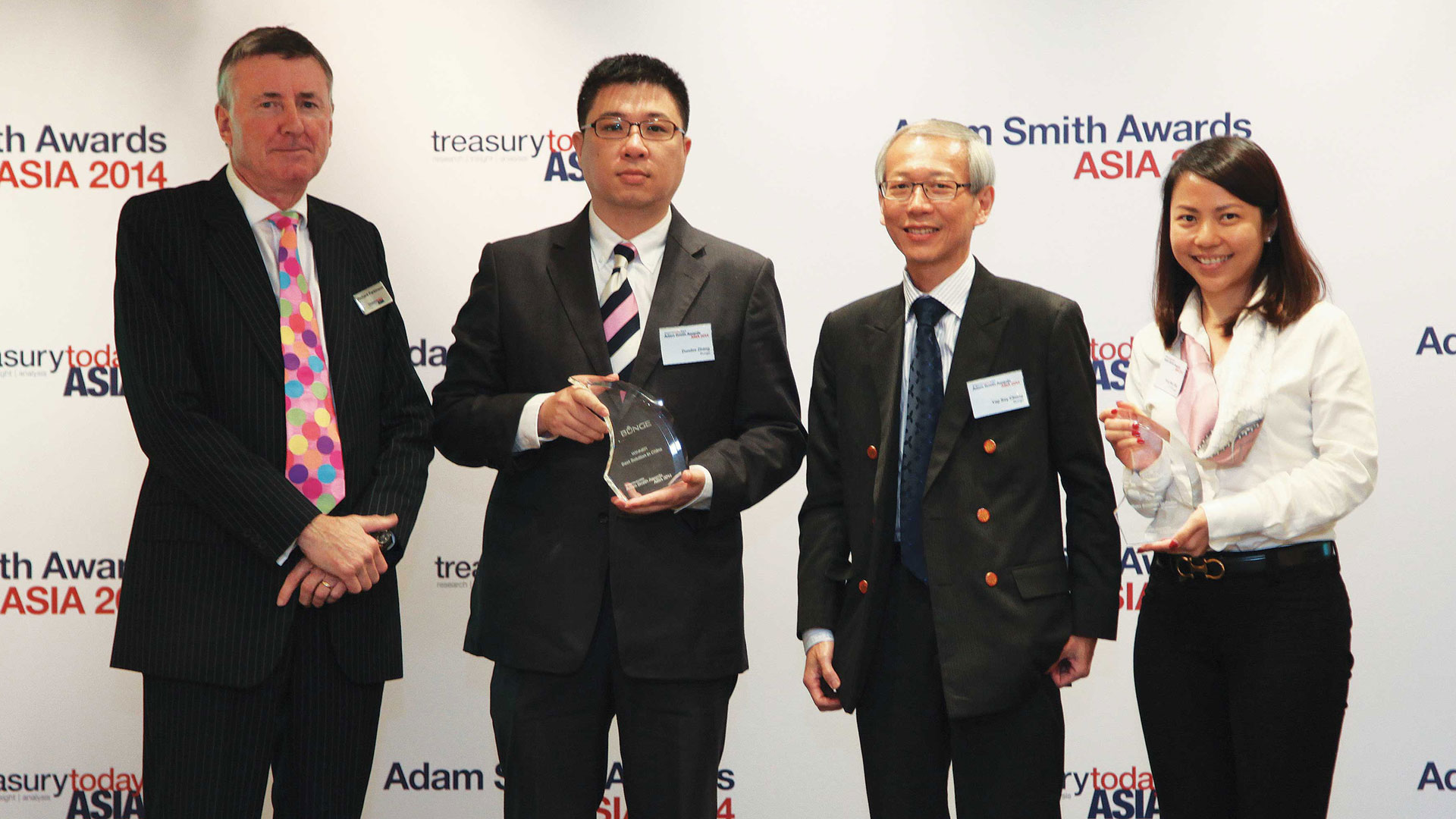
Managing cash in China and repatriating trapped cash out of the country has been a long-standing dilemma for companies like Bunge because of regulatory restrictions. However, the People’s Bank of China (PBOC) recently issued liberalised rules that enable companies to enhance their treasury management in the Shanghai Free Trade Zone (SFTZ).
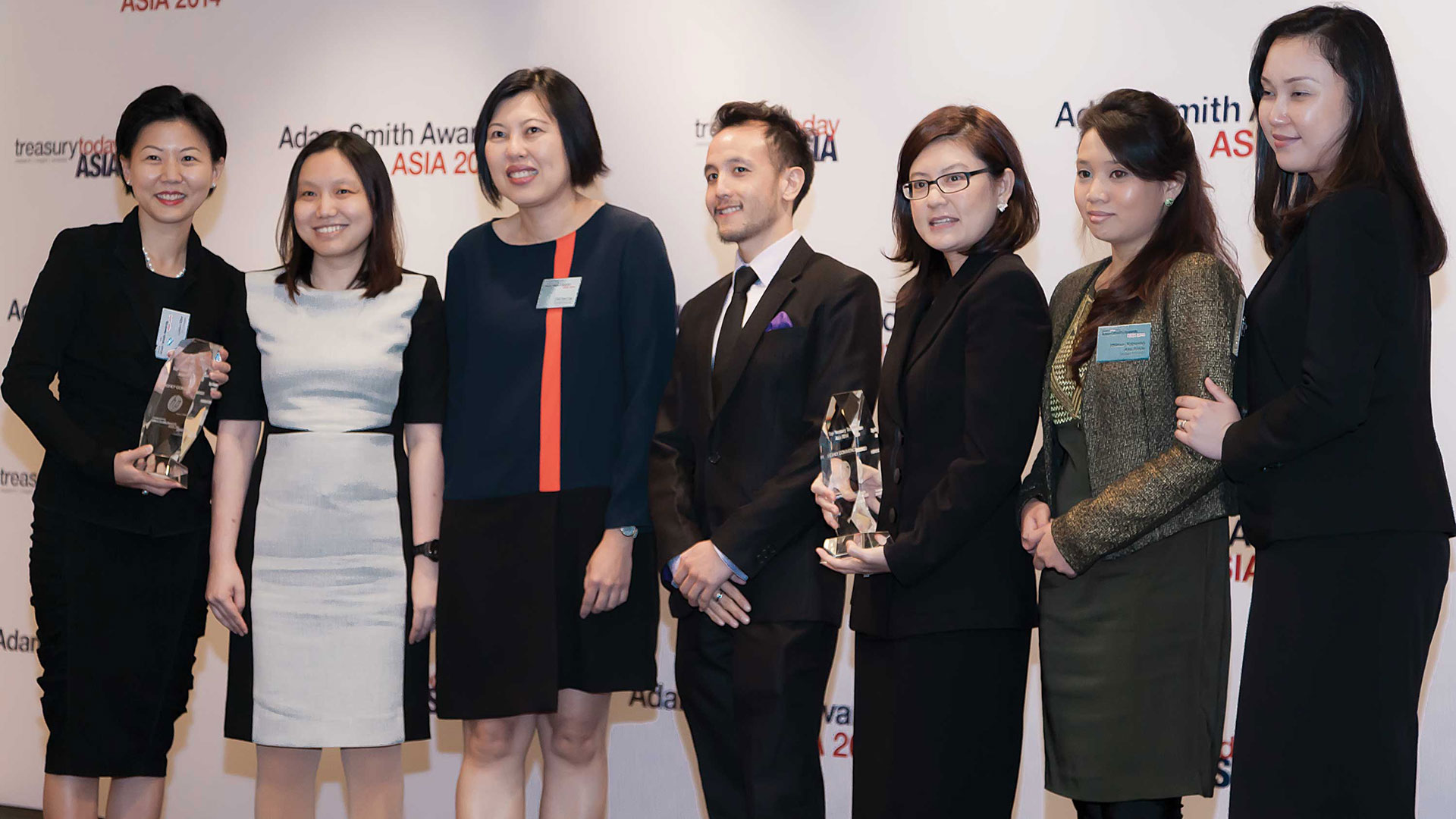
The treasury team at Hewlett-Packard used a multi-faceted approach to address risk management, regulation and governance while vastly enhancing efficiency and corporate profitability.
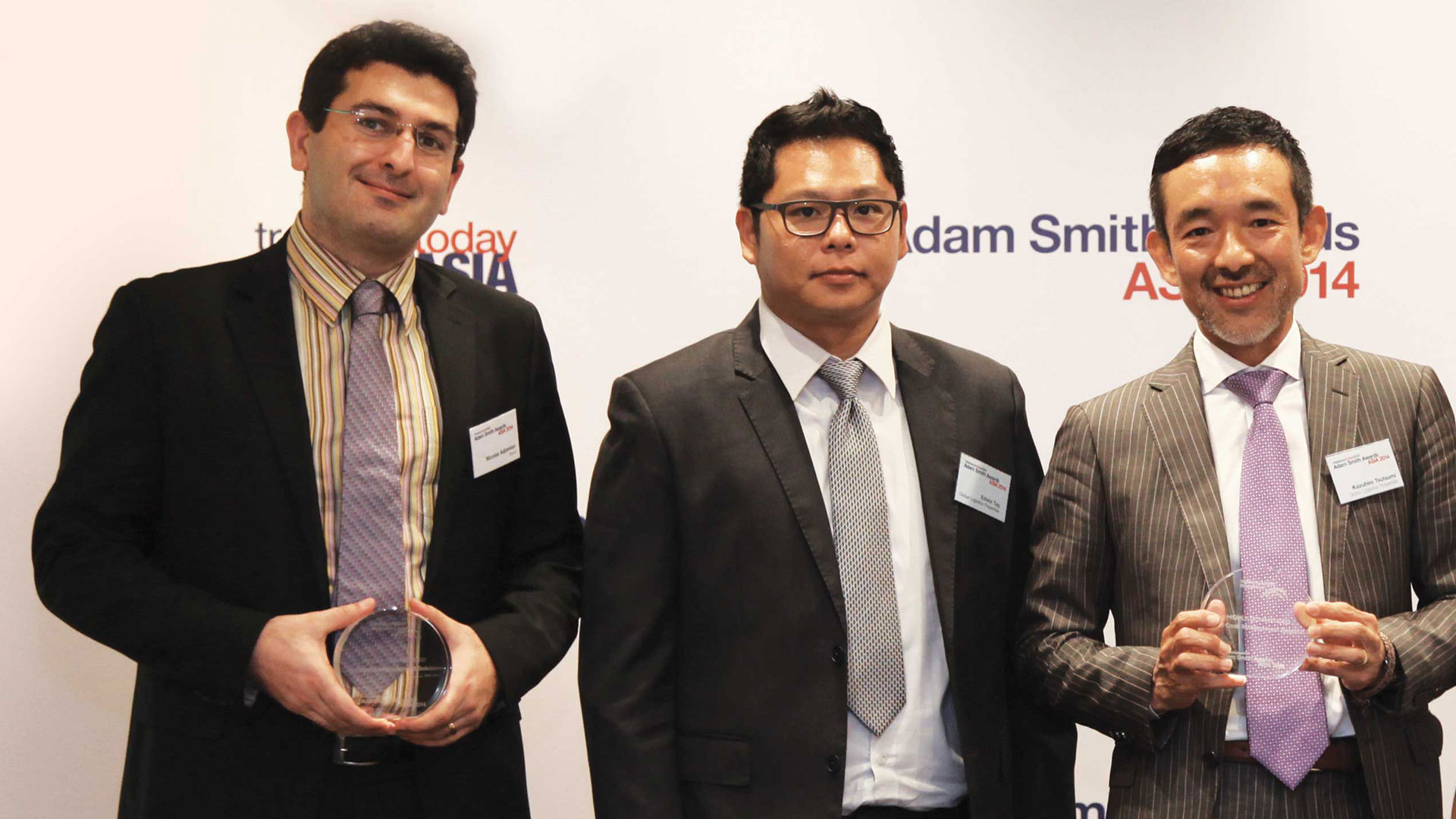
To increase its operational efficiency and reduce its operational risk GLP implemented a global cash, liquidity and risk management solution. The solution provides GLP with a single platform where all financial data is stored and shared within the global team in real time.
In order to mitigate the operational risk associated with its current set-up, Qantas worked with its system provider to migrate the treasury infrastructure management onto a private cloud, hosted environment. Qantas hedges a foreign exchange risk of approximately US$2 billion and an annual fuel bill of more than US$4 billion. The solution helps Qantas manage its complex treasury operation, gives a realtime view into cash and risk, and helps the company standardise and automate processes, while maintaining proper controls and full audit trails.
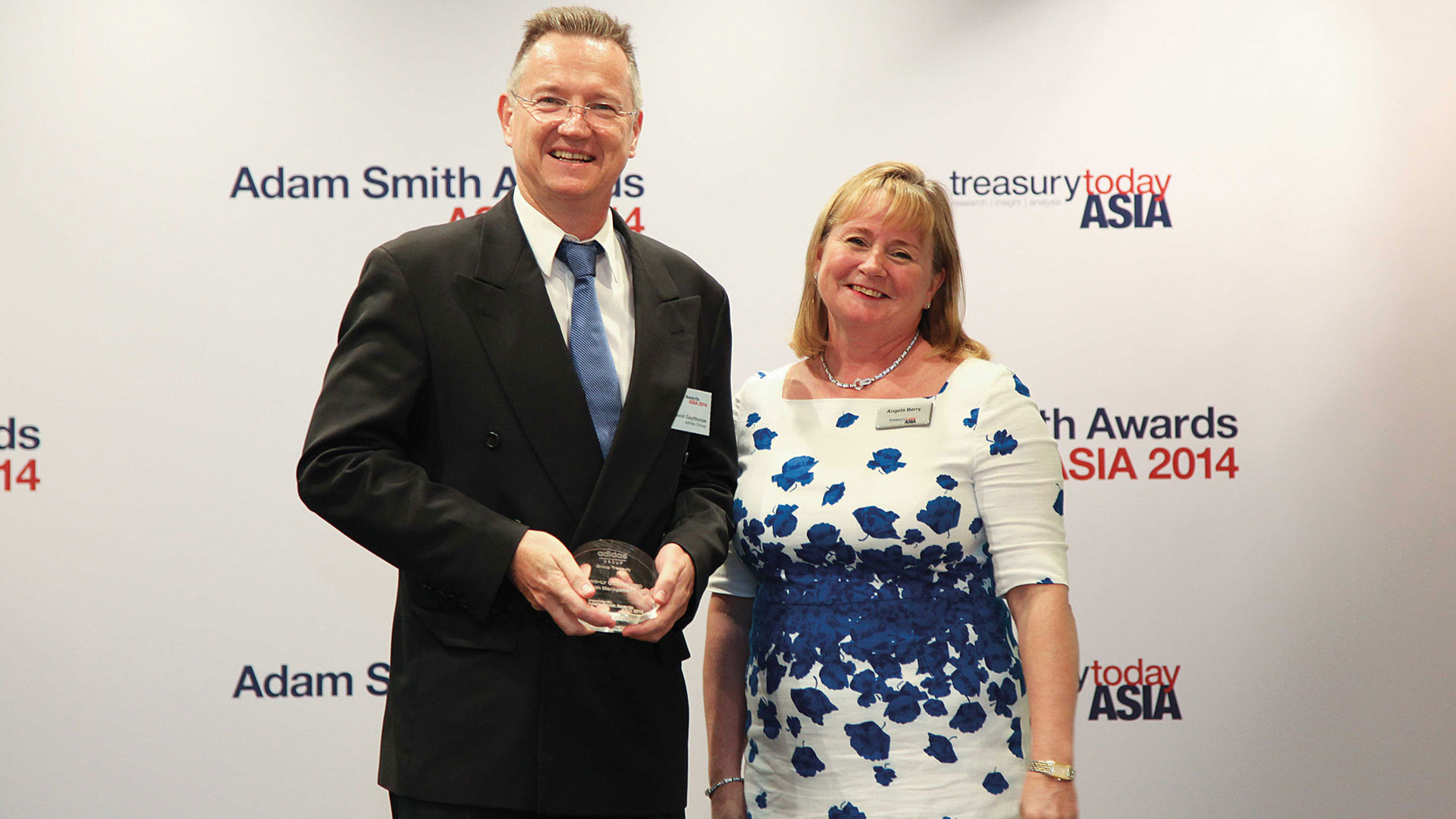
adidas suffered from a lack of transparency and an inefficient cash disposition managed by multiple people in Hong Kong and China. The company’s account structures were complex with multiple bank-specific payment and information channels and e-banking systems. The company aimed for an integrated solution within its ERP environment, with SAP being the key IT application running within the Finance function. The integrated solution allows full transparency of all transactions in the ERP systems and is audit-proofed.
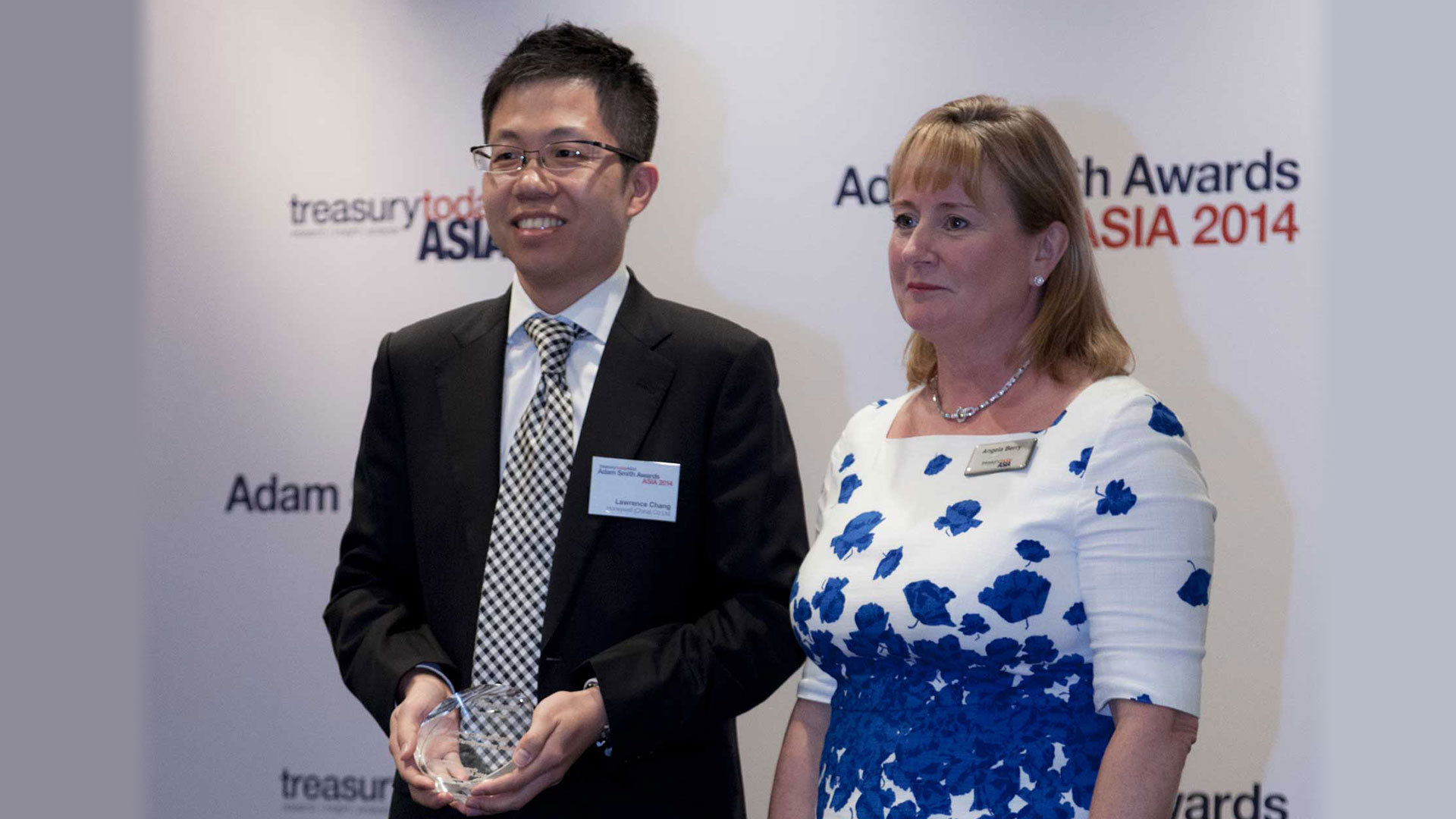
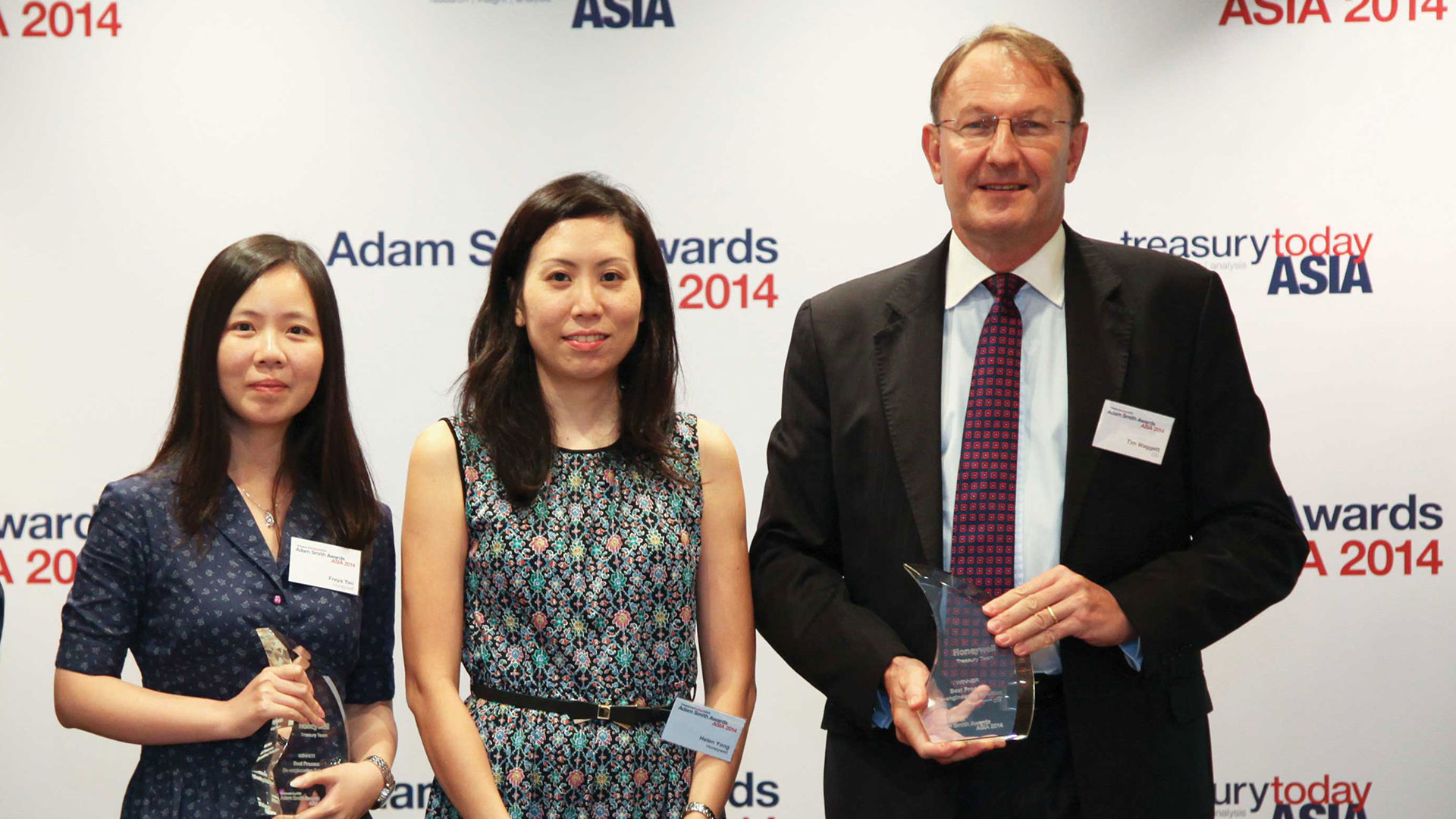
The challenge for Honeywell was what to do with excess cash, because even after re-investment into capacity and business growth, a significant amount of investible cash remained. Honeywell established cash concentration structures in China and these have proven to be very effective in concentrating liquidity for subsequent management and investment, managing counterparty limits and risks, investment allocation and also in seamlessly providing group-wide working capital and investment funding.
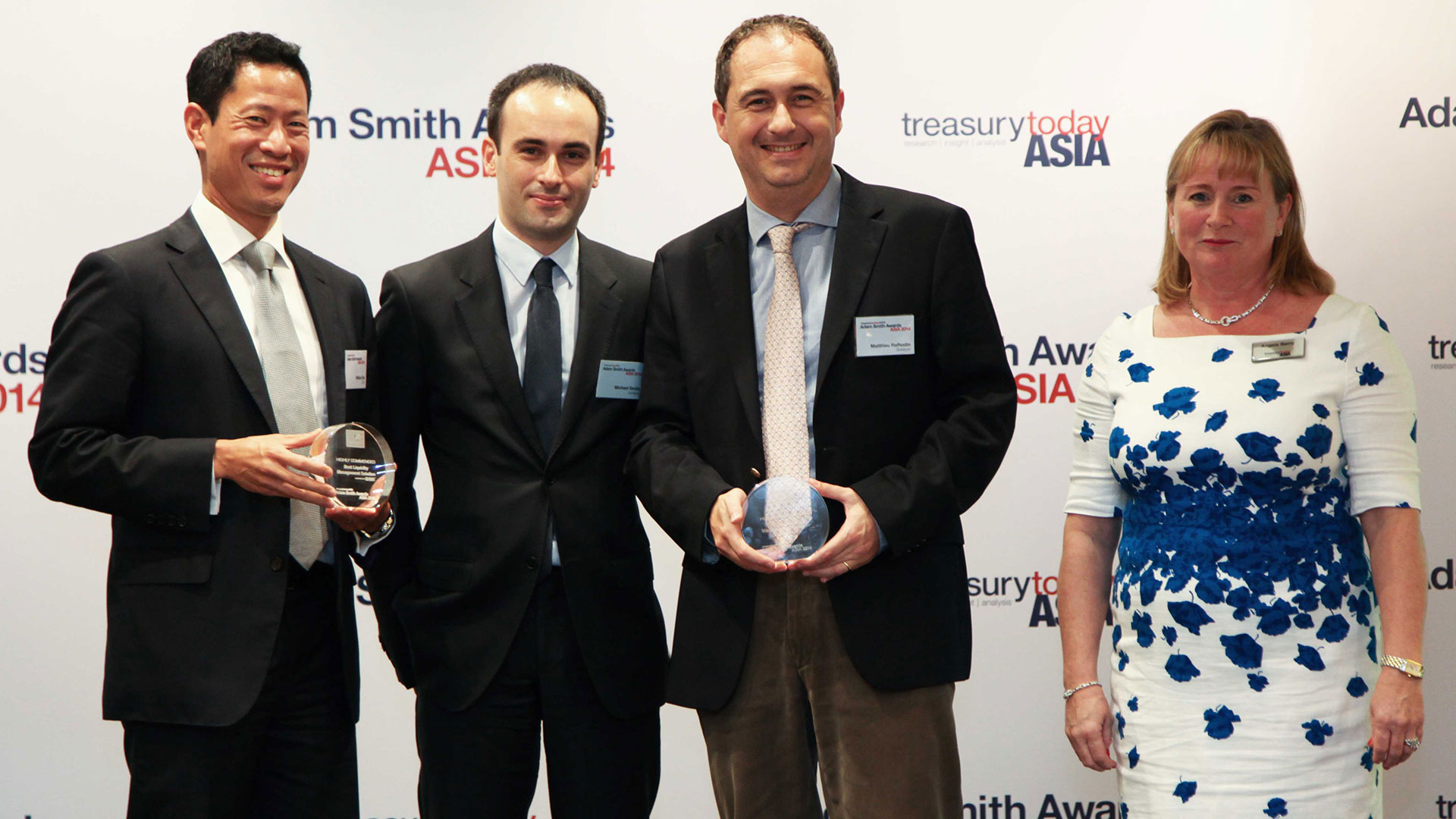
Given the fast pace of growth and complexity of operations, it was important for Sonepar to put in place flexible banking arrangements to meet its evolving needs as its business expanded across nine markets in Asia. A comprehensive range of cash and liquidity management solutions was developed and designed for future scalability. These included a range of products and services, including cash management (accounts, electronic banking and payments and collections), liquidity management, working capital facilities (overdrafts, trade finance, short-term loans) and FX lines for regulated currencies. The jewel in the crown is the company’s new liquidity management solution that supports business operations in China, which is the largest revenue contributor in the region.
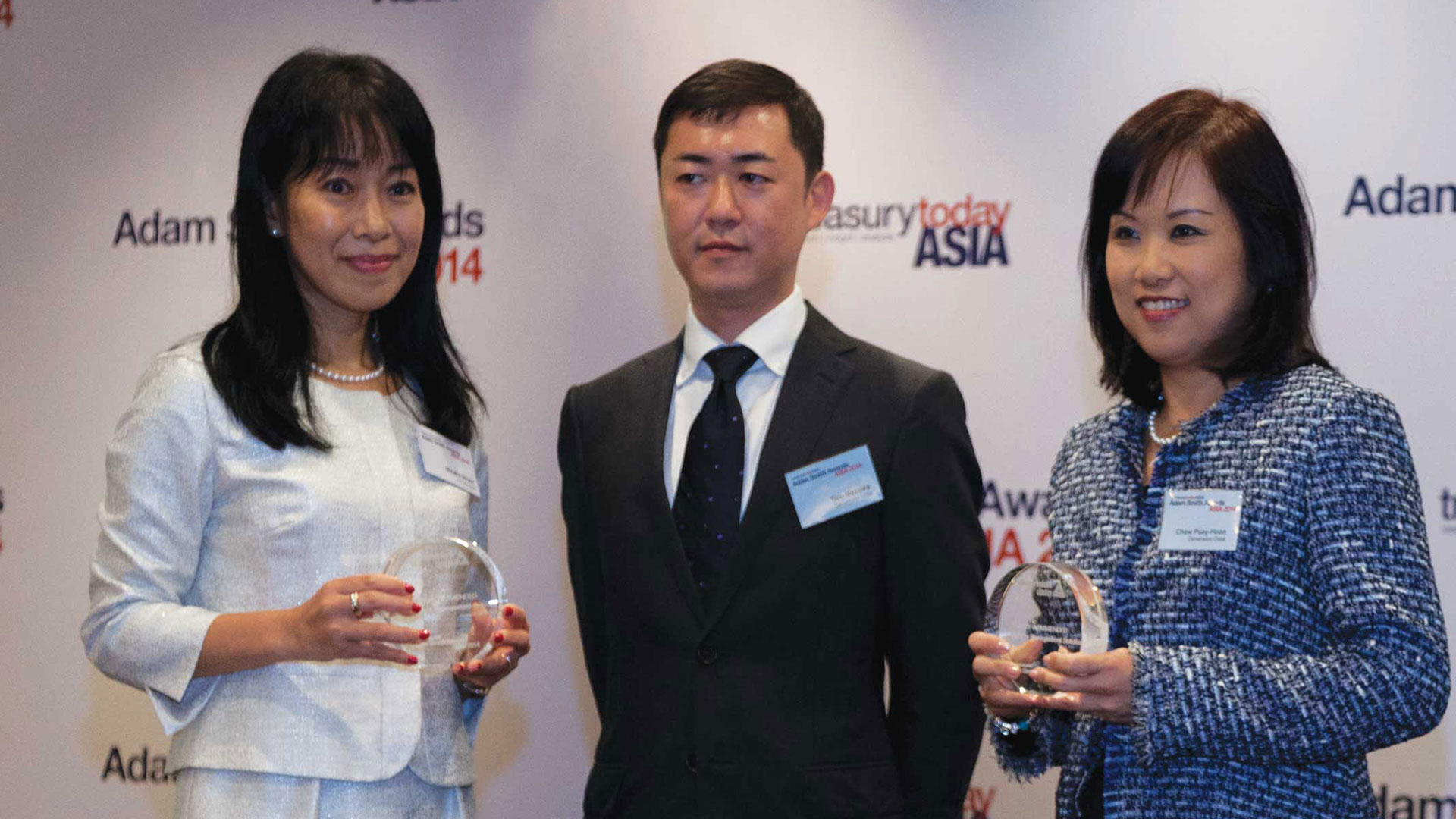
The company wanted to establish an optimal cash and liquidity management structure so that any excess cash could quickly be made available to its headquarters, while still leaving its local entities with full control over their own funds. It also wanted to enhance and automate its processes to increase efficiency of both its treasury staff and its working capital. Dimension Data achieved an optimal cash and liquidity management structure across 13 Asia Pacific markets by consolidating its bank accounts and centralising all its surplus cash across the region into a notional pool.
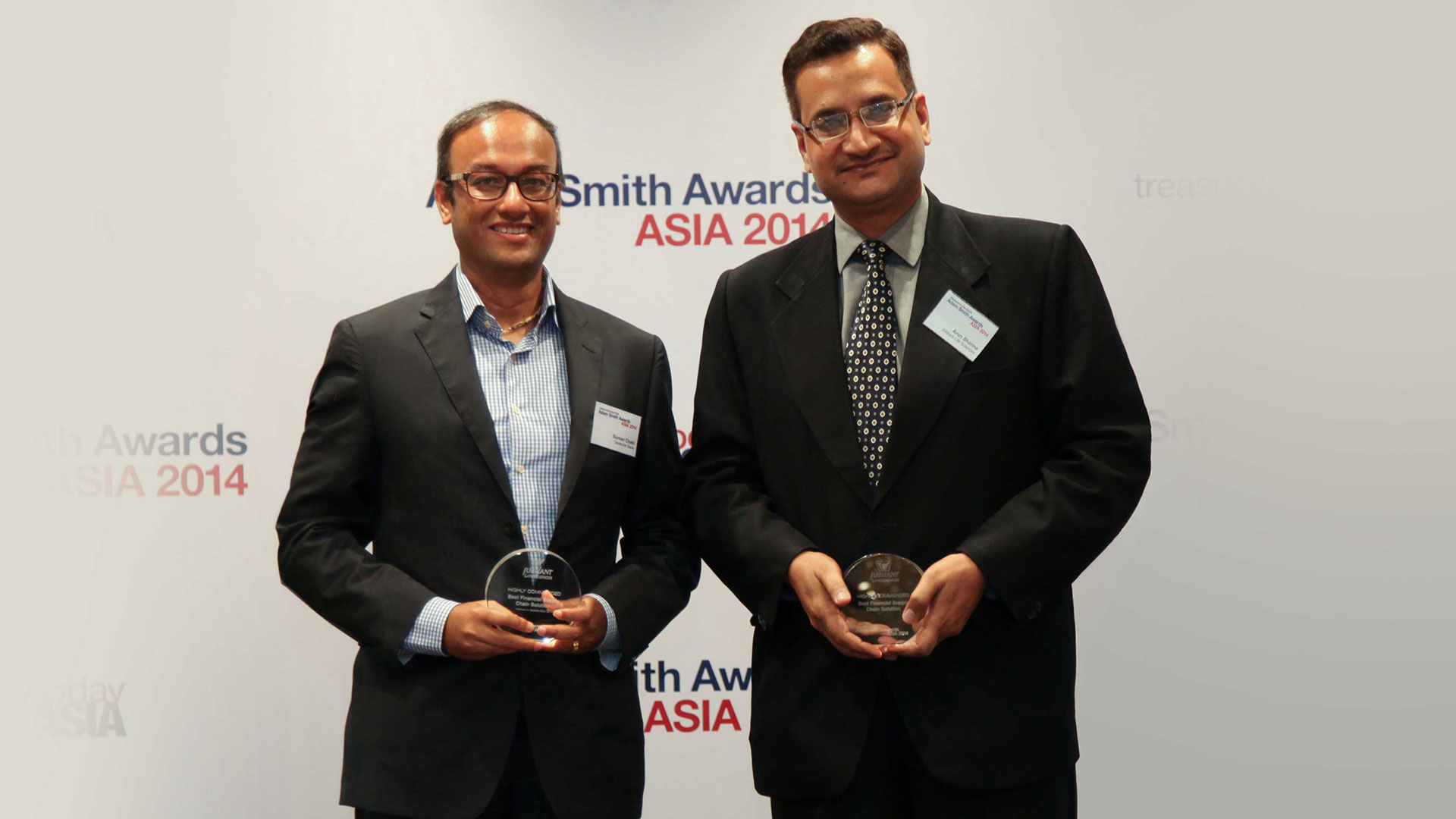
This deal is an example of innovation, sustainable performance, client centricity and partnership and can possibly be replicated with other clients and segments across geographies. The company’s bank structured and controlled the Usance Credit Period, liaising with lawyers across three jurisdictions, client and insurers. Risk mitigation, which is key to this deal, was achieved through a watertight structure, efficient syndication and trade flow and security mechanisms.
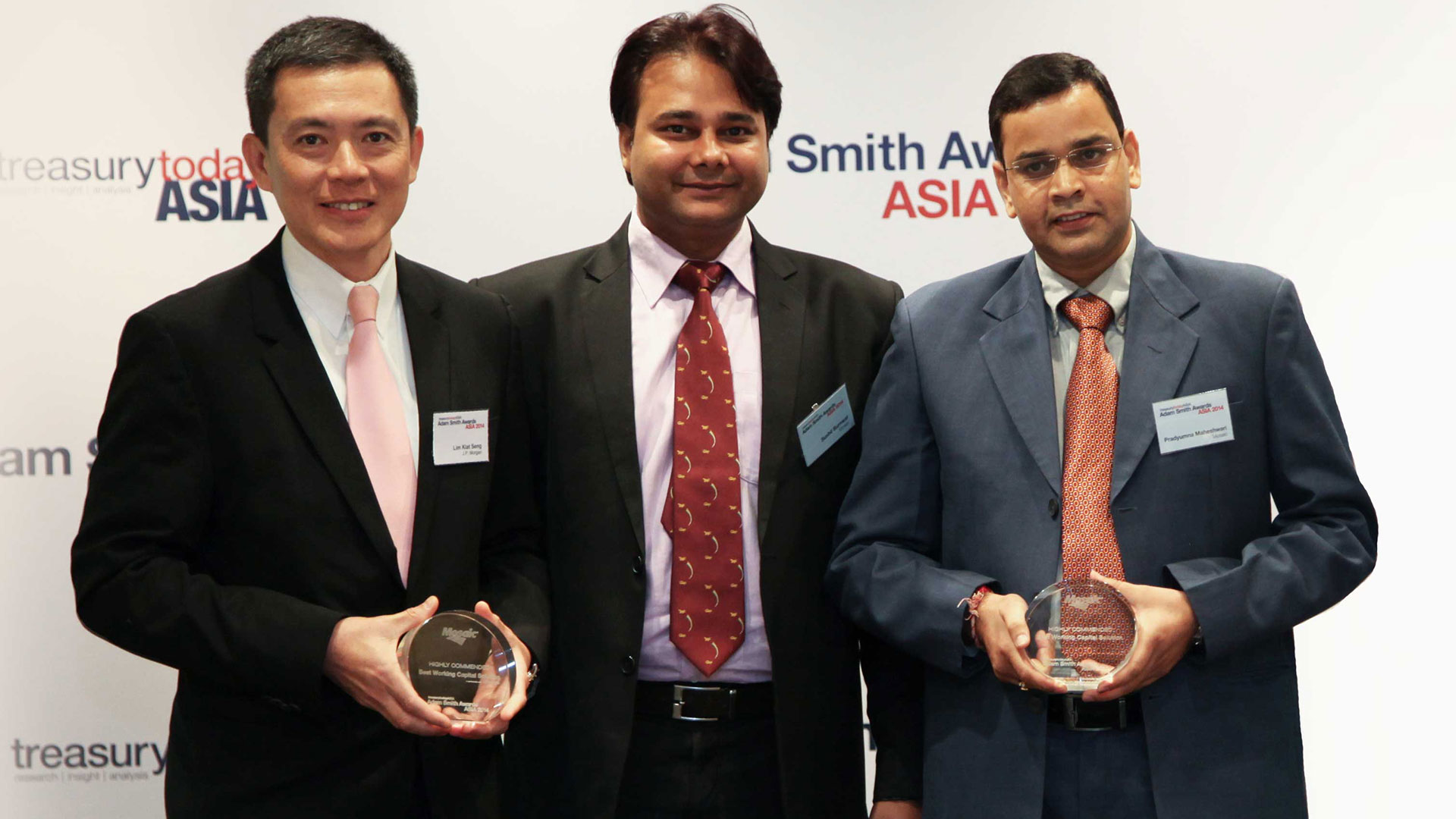
Mosaic wanted an integrated and globally consistent cash management platform that would enable it to centralise all its banking operations for its India, Hong Kong and China businesses with a single bank, in line with industry best practices, to ensure globally consistent processes. The solution provides a globally consistent implementation and a services format that leverages a host-to-host platform, coupled with a secure and cost-effective file transfer system that uses an industry-standard message format.
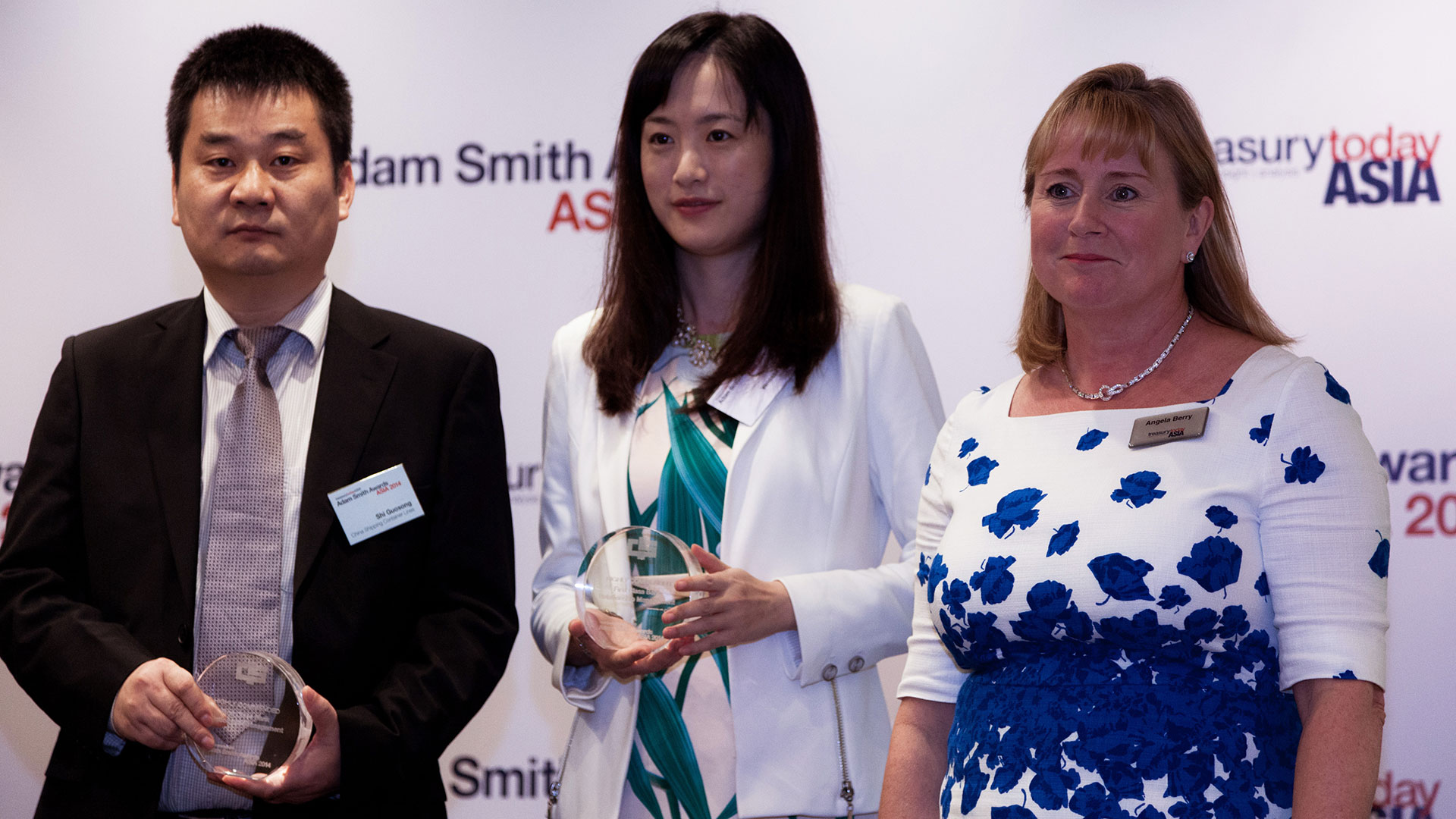
As a flagship state-owned business, CSCL has experienced rapid growth in recent years with a strong commitment to financial integrity and transparency. Consequently, group treasury was seeking to enhance its financial reporting in order to achieve more timely, accurate and complete access to cash flow and balance information globally.
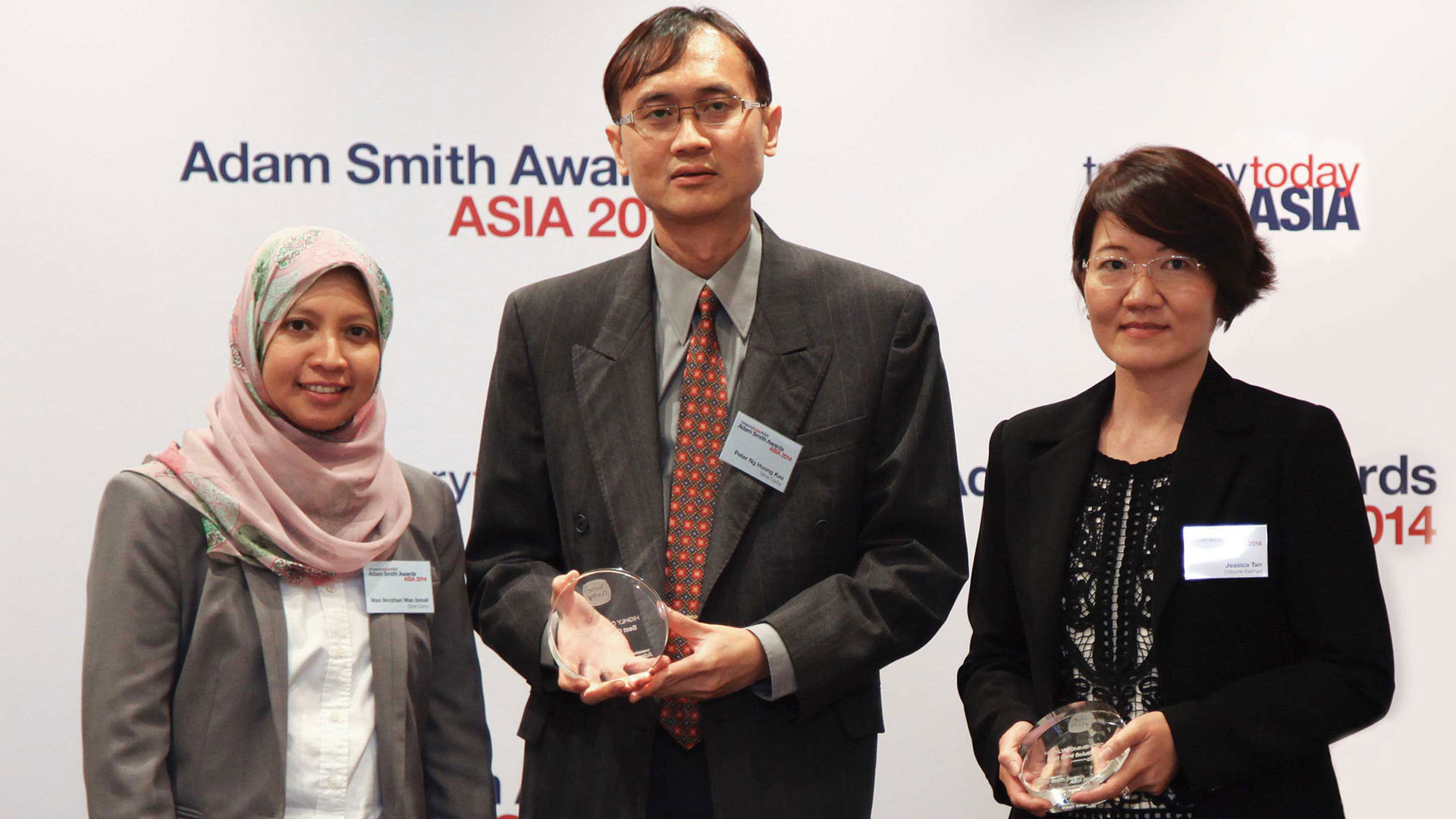
Sime Darby operates a shared services centre (SSC) and is responsible for paying hundreds of bills from various business entities. The structure often resulted in late payments, late fees and inefficient payment processes. Sime Darby was therefore looking for a better solution that would allow it to enhance its payment process and controls. Sime Darby selected a virtual card account (VCA) programme which has transformed the company’s payment process and has created multiple benefits for the company.
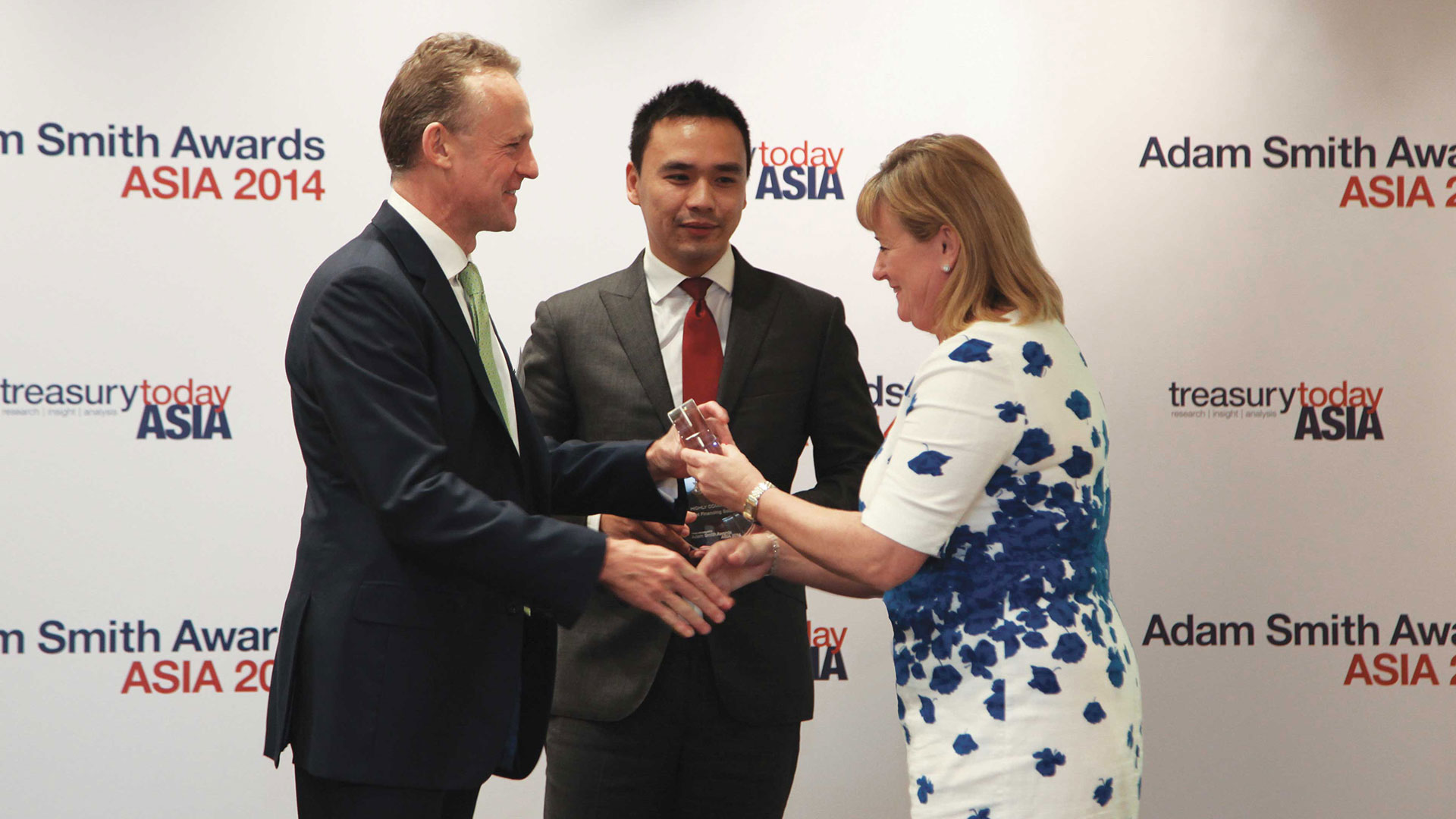
With the current low interest rate environment, having a large position in cash represented a significant opportunity cost for AIA. It became essential to improve its cash forecasting capabilities as well as set up bank credit lines for operational liquidity purposes, so that cash positions across all markets could be minimised.
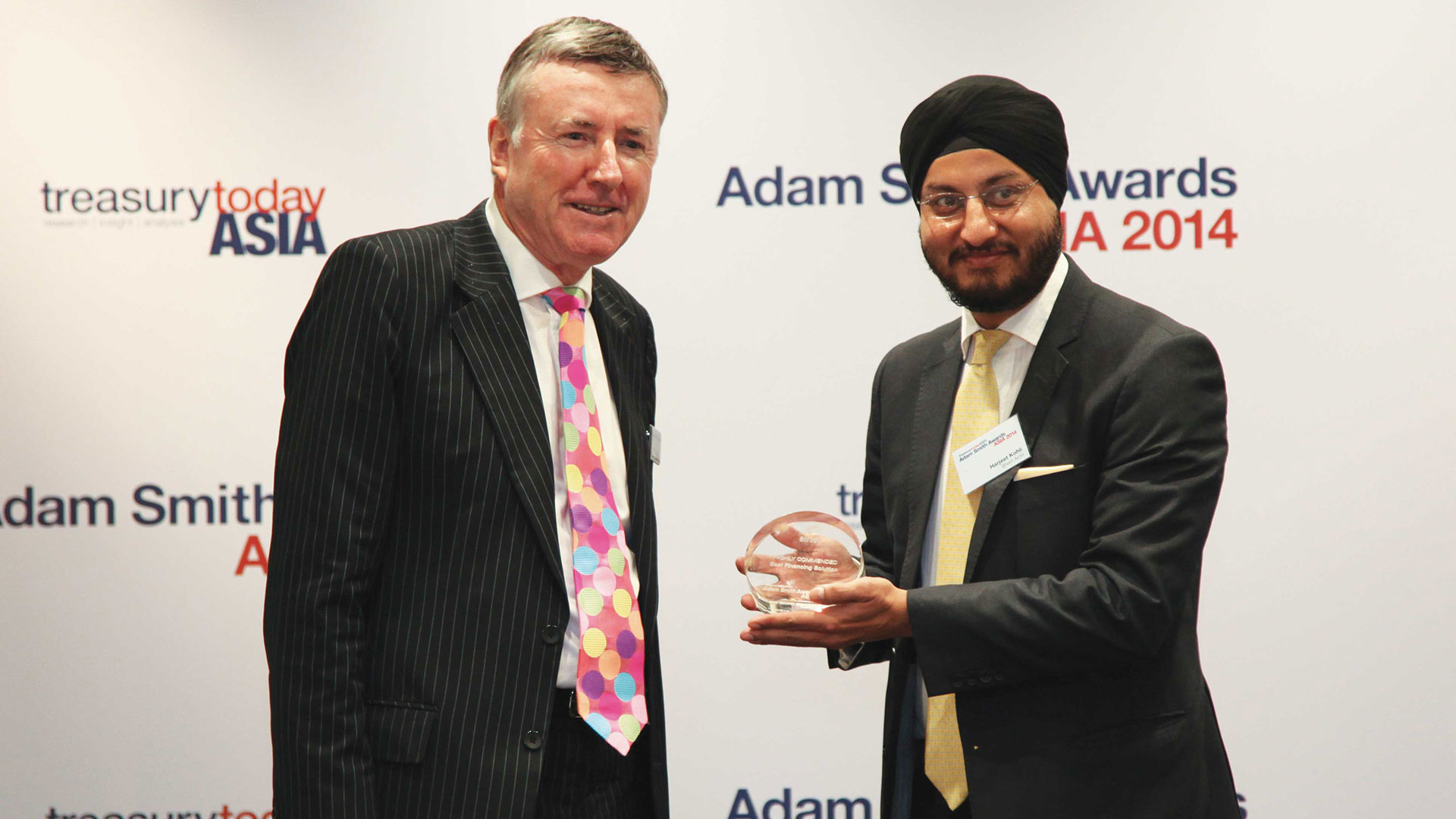
Airtel was looking for a way that the company could lengthen the tenor of its debt basket, diversify from bank credit facilities and also refinance the debt from its acquisition of Zain. To achieve these objectives the company undertook a series of opportunistic debt capital issuances totalling US$5.3 billion in three different currencies over a 15-month time span. The company used an astute pricing strategy to ensure tightening yield via an enthusiastic participation from real money investors across the globe.
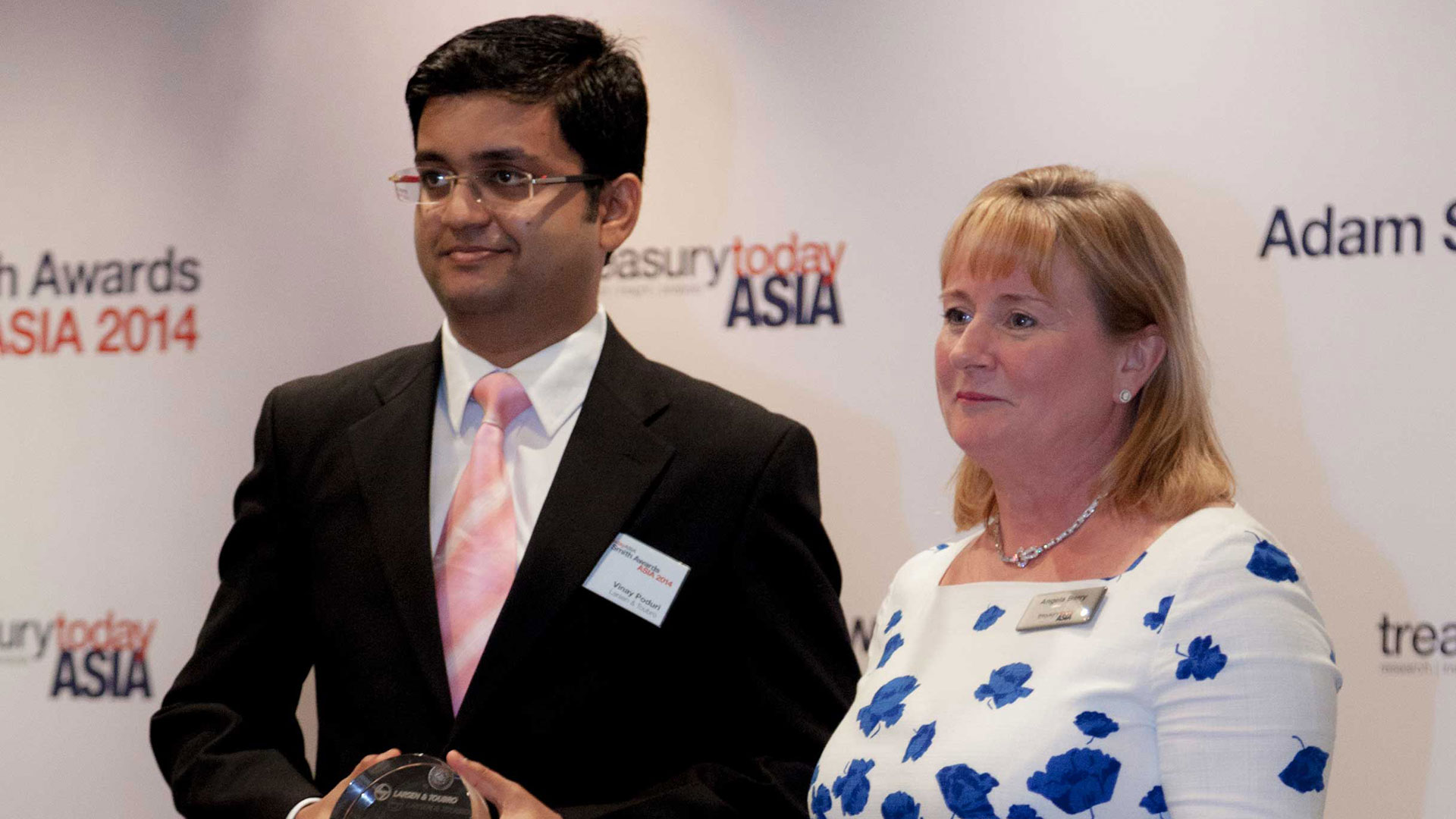
To improve its foreign exchange processes Larsen & Toubro was looking to insulate its imports in US dollar against the functional currency of the company, the Indian rupee (INR). Imports involved in the project were to the tune of US$150m that required insulation for possible devaluation of INR against the US dollar.
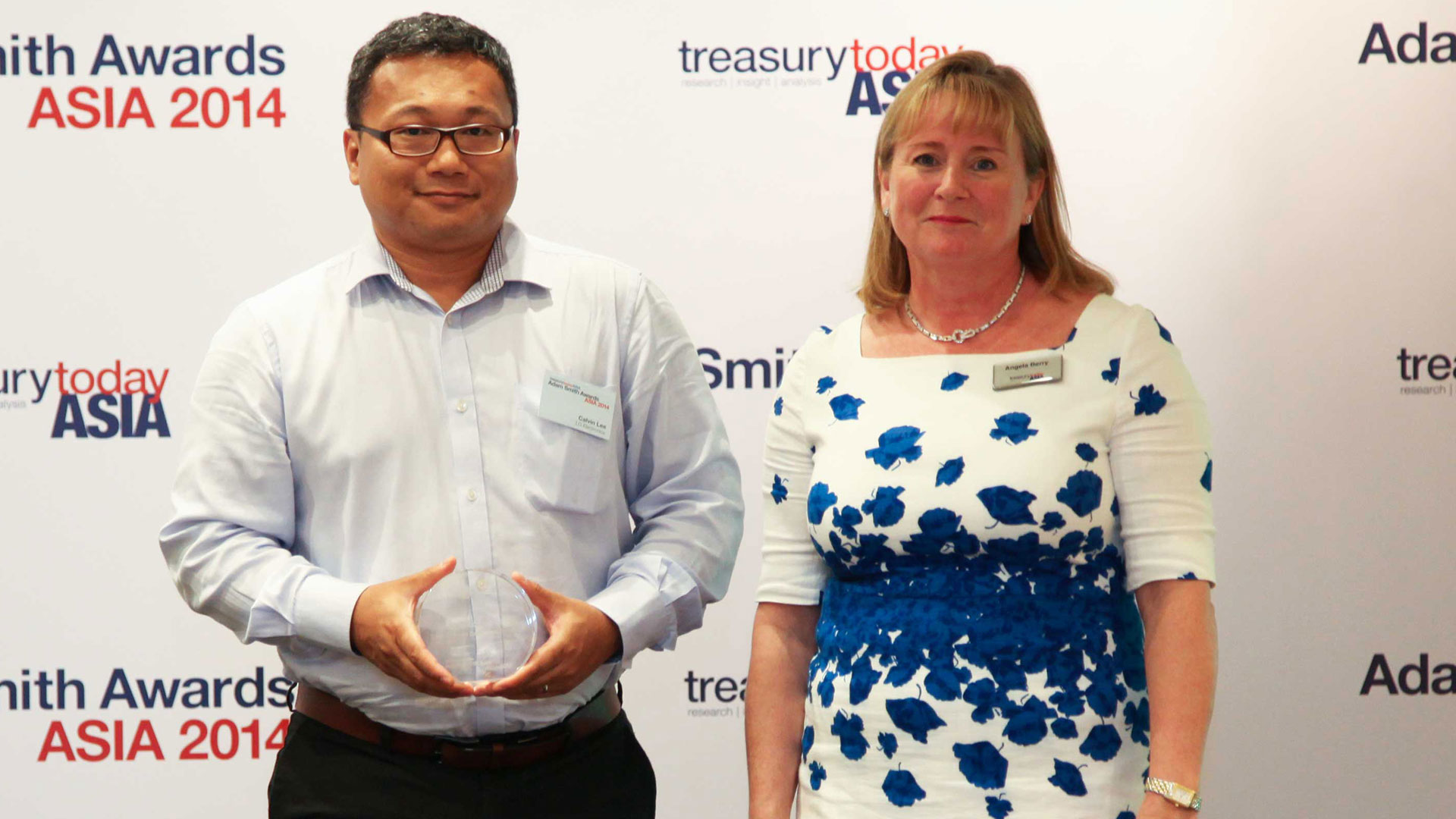
The solution implemented ensures that LG has access to the best prices available and that the company can then execute electronically on the new platform. With this innovative technology, LG has been able to really reduce operational risk across its FX trading workflow.
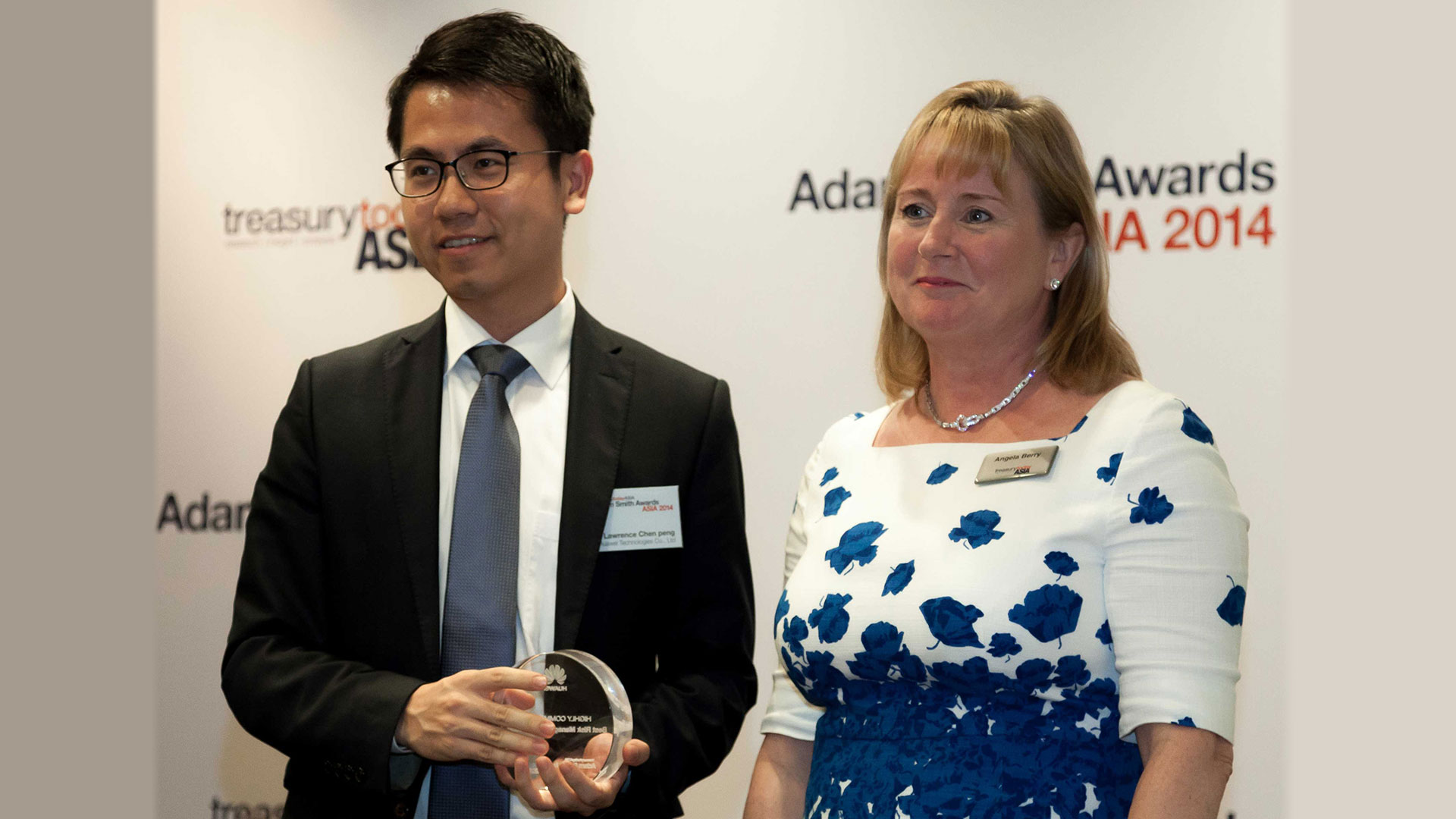
Huawei’s treasury technology transformation project is a great example to showcase the benefits of using a single standardised global platform for multibank connectivity which provides the security, scalability and flexibility that multinational corporations require. It also demonstrates industry best practices in banking and connectivity. Huawei’s new technology infrastructure, supported with an efficient organisational structure and business processes, has paved the way for further adoption of the technology by corporates and banks across Asia.
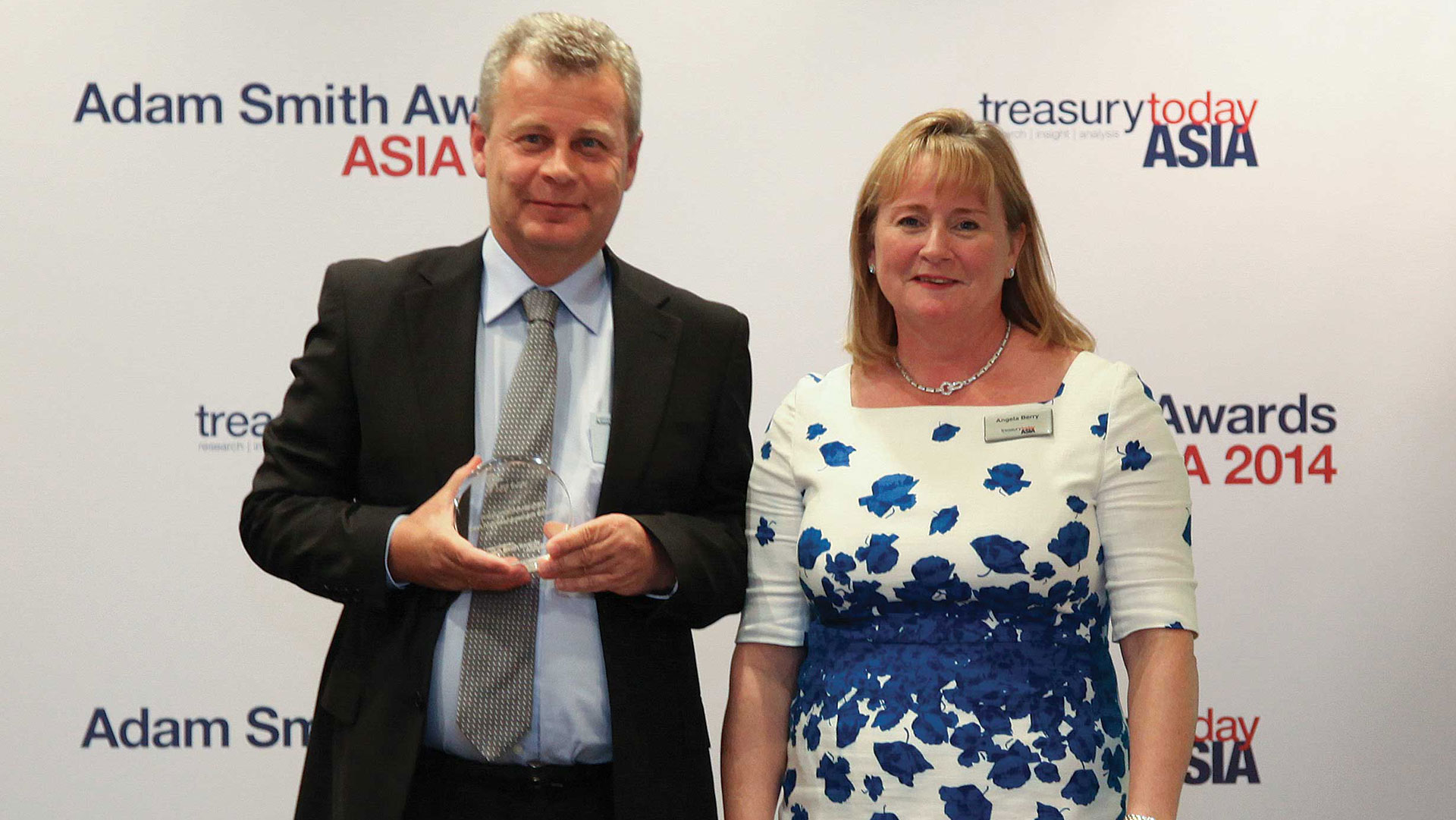
MSF Sugar faced a number of issues surrounding their risk management process. These included having to undertake significant manual work, producing reports for around 40 corporate and grower sugar pools. The solution was configured so that it was deployed to provide innovative reporting with regard to translating a USD sugar price exposure to a common AUD per tonne reporting base, under multiple potential future scenarios for commodity and foreign exchange prices.
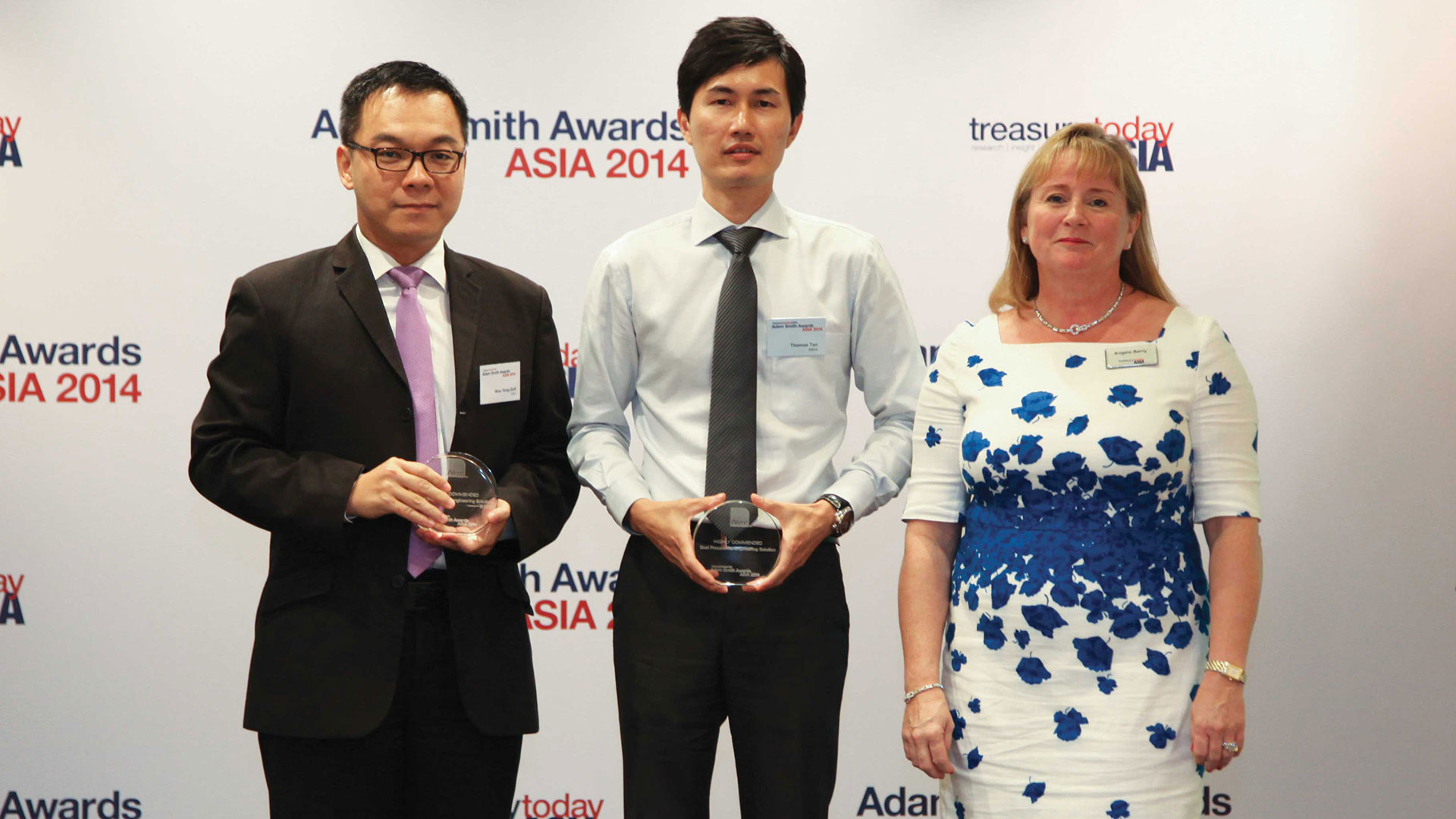
By re-engineering the finance operations in Asia Pacific with the introduction of a new centralised model, Alere was able to improve the control environment, gain greater visibility into business performance and control cash flow utilisation in each entity and country.
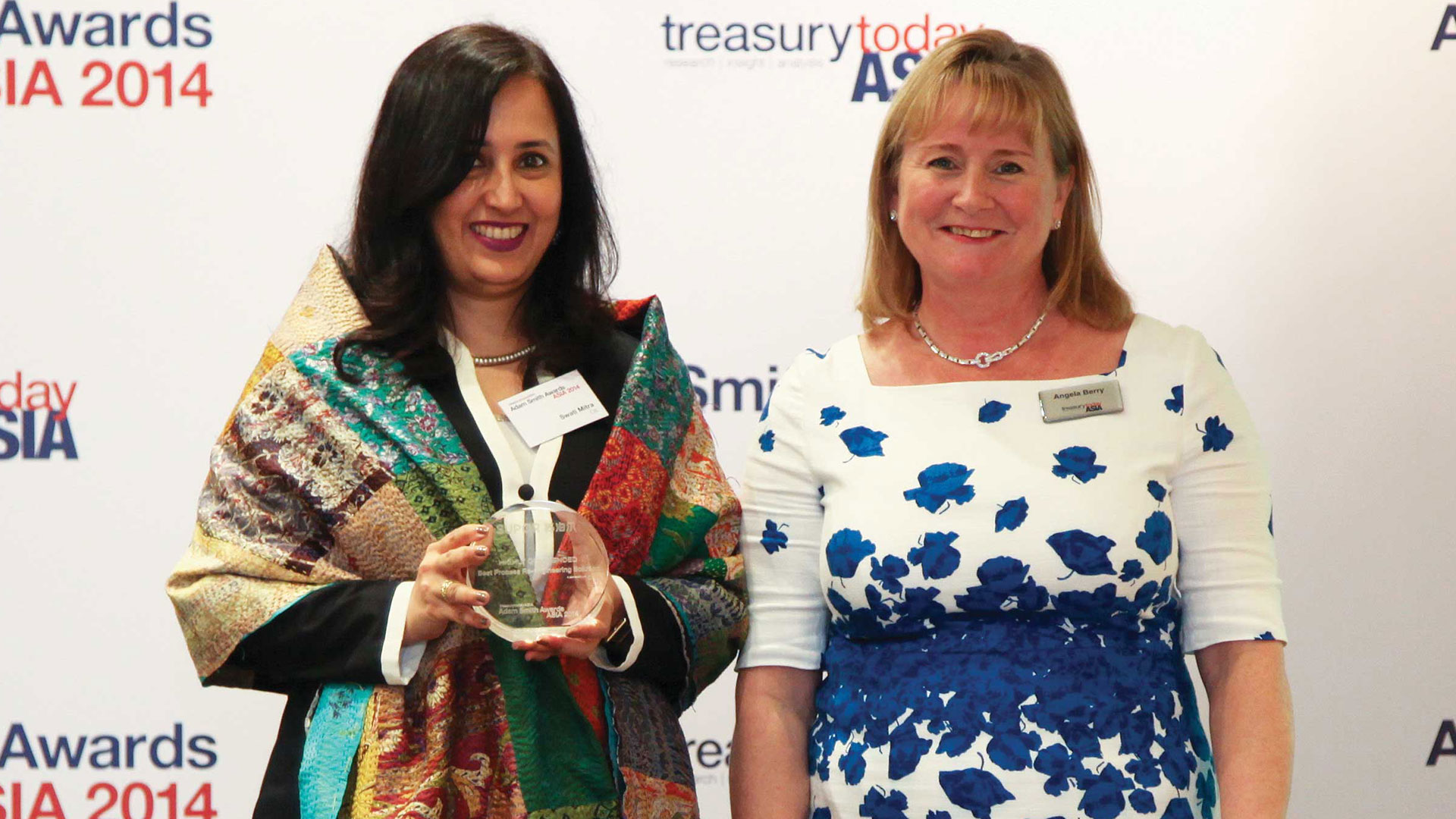
To support its international growth ambitions and expanding payments needs, the company sought to streamline processes by leveraging its SAP installation, as well as securing and automating the transmission of payment instructions to its banks.
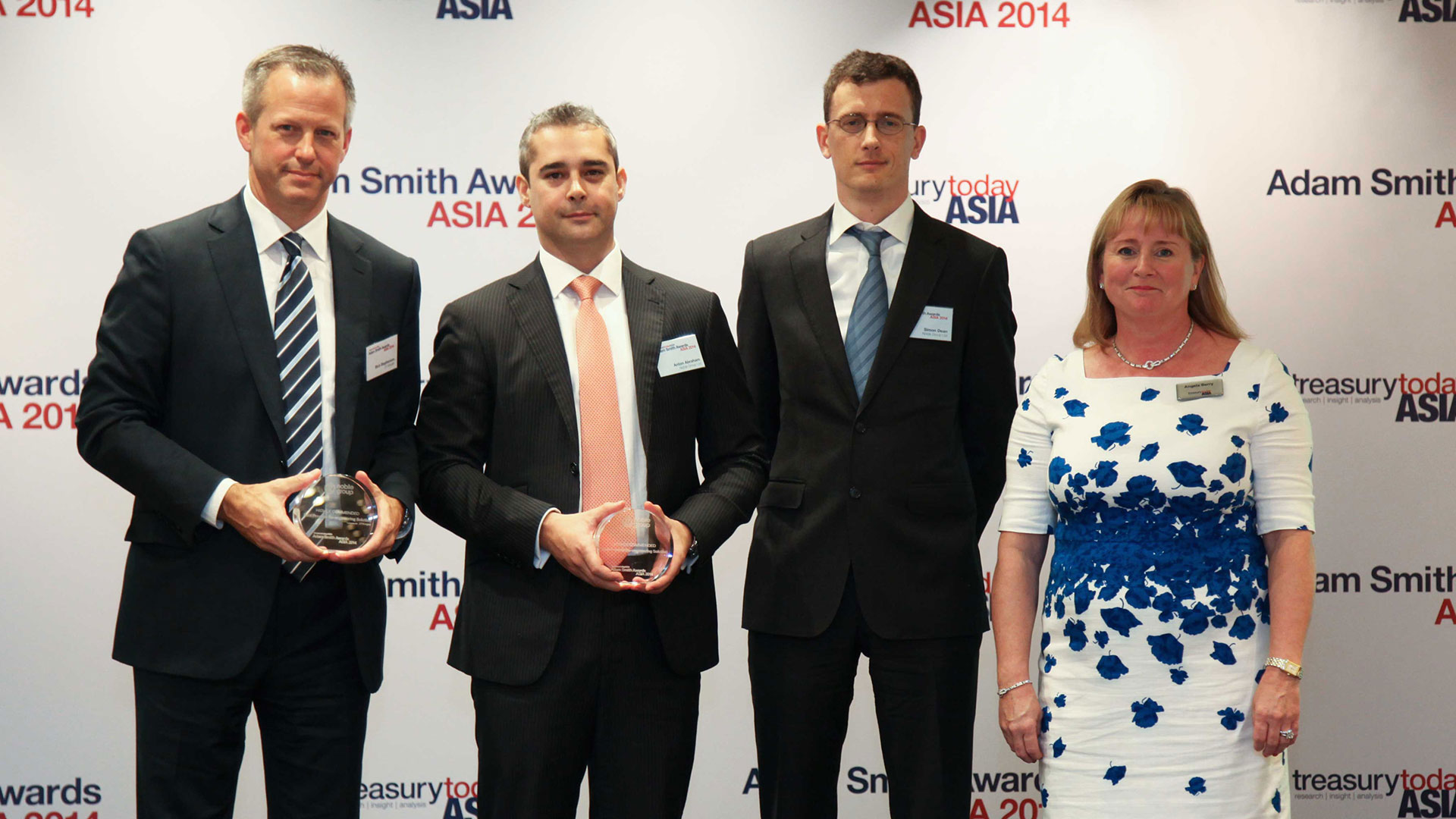
Along with the need to improve its payments processes, Noble wanted to replace its existing US dollar banking services with a global cash solution from a single US dollar provider, so it could work with a primary provider across 36 countries.
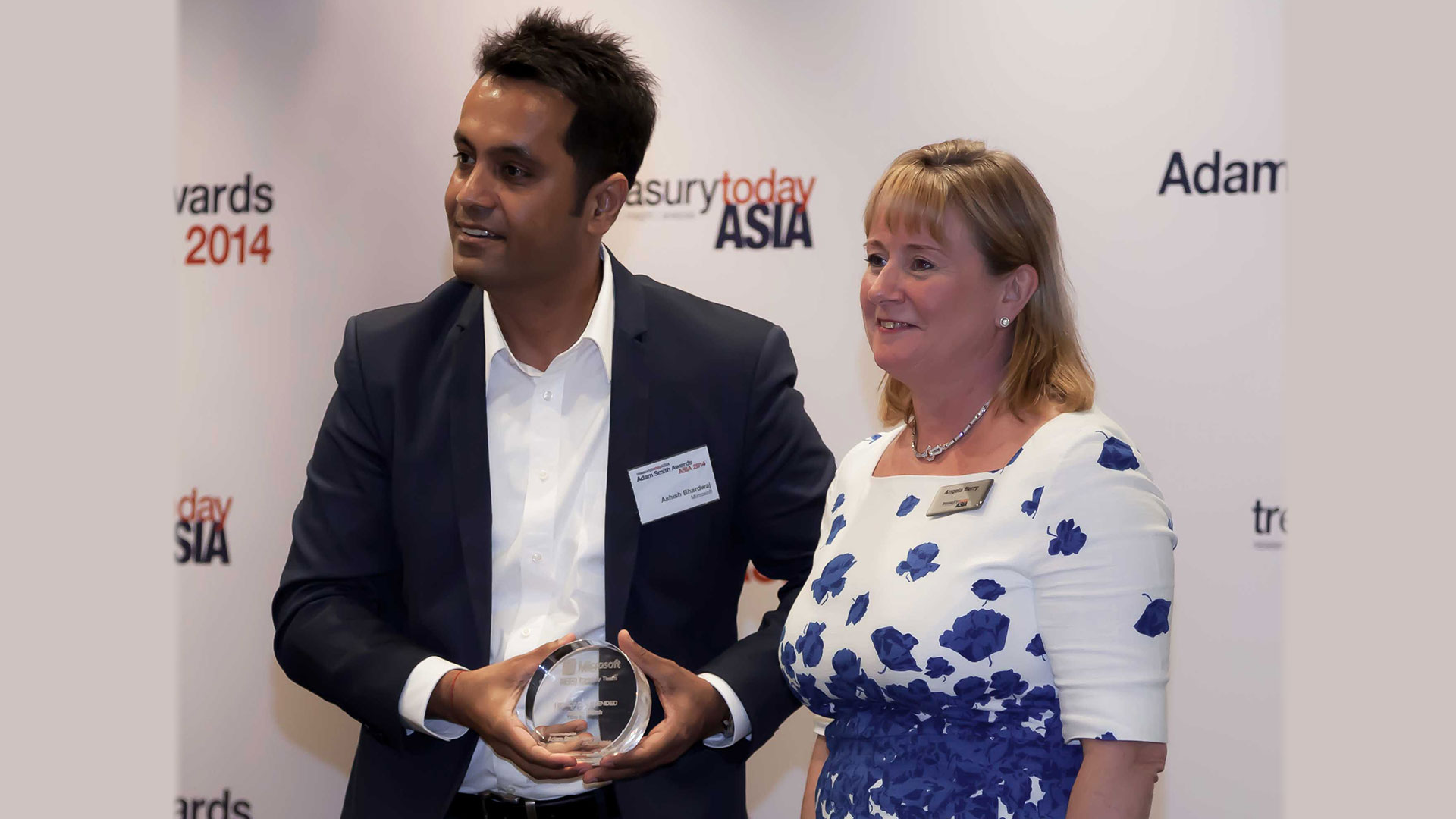
The Microsoft WOCS team have demonstrated best practice in managing the challenges that each country in Asia Pacific presents. Through developing a clear process and leveraging local and international knowledge the team has successfully billed in a number of local currencies, giving Microsoft more ability to win business locally.
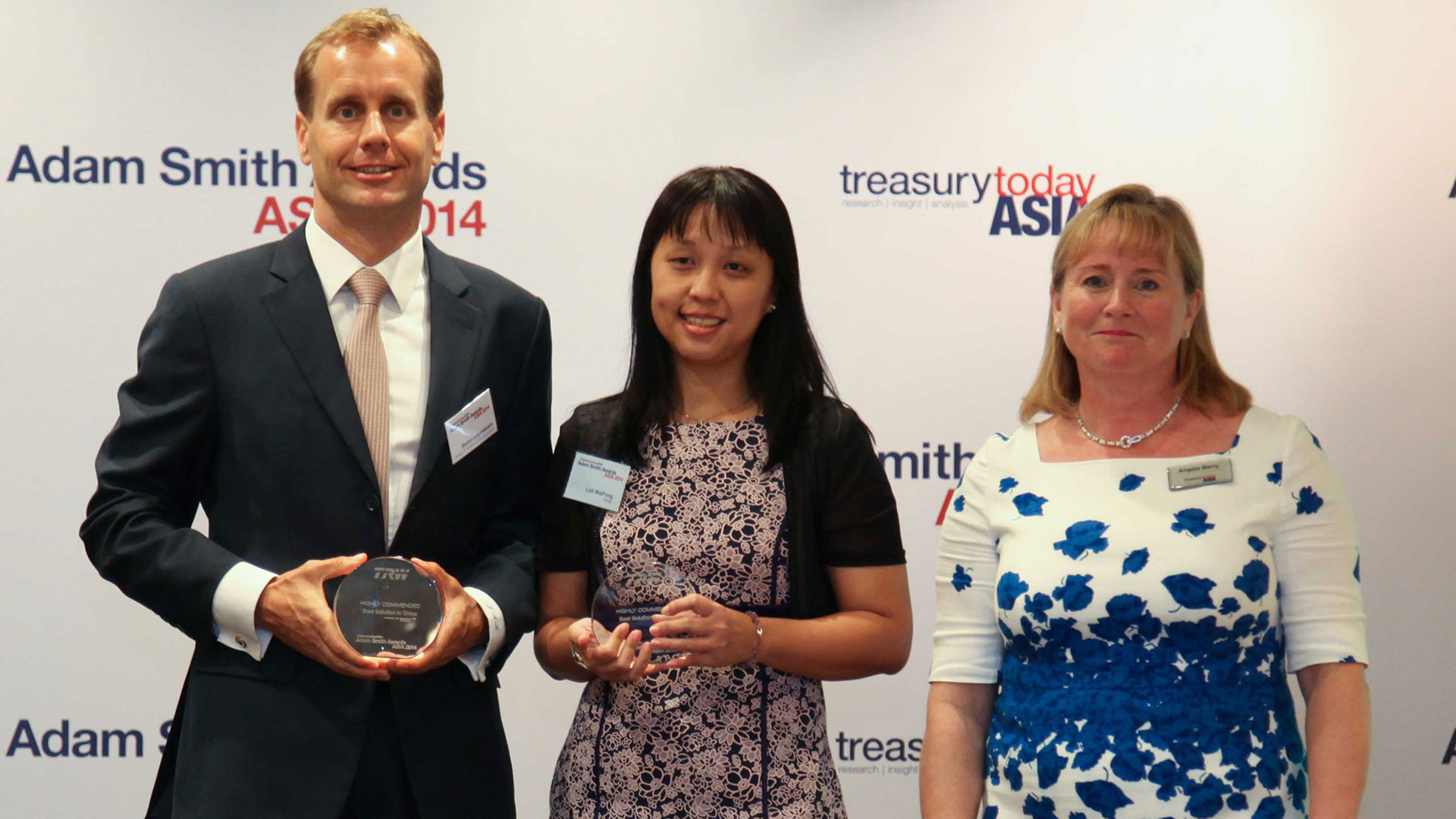
This is the latest in a series of innovative projects undertaken by TRW’s treasury team. The company has also been actively adopting other new products and schemes, such as mobilising cross border flows using RMB capital injection, shareholder loans and dividend payments.
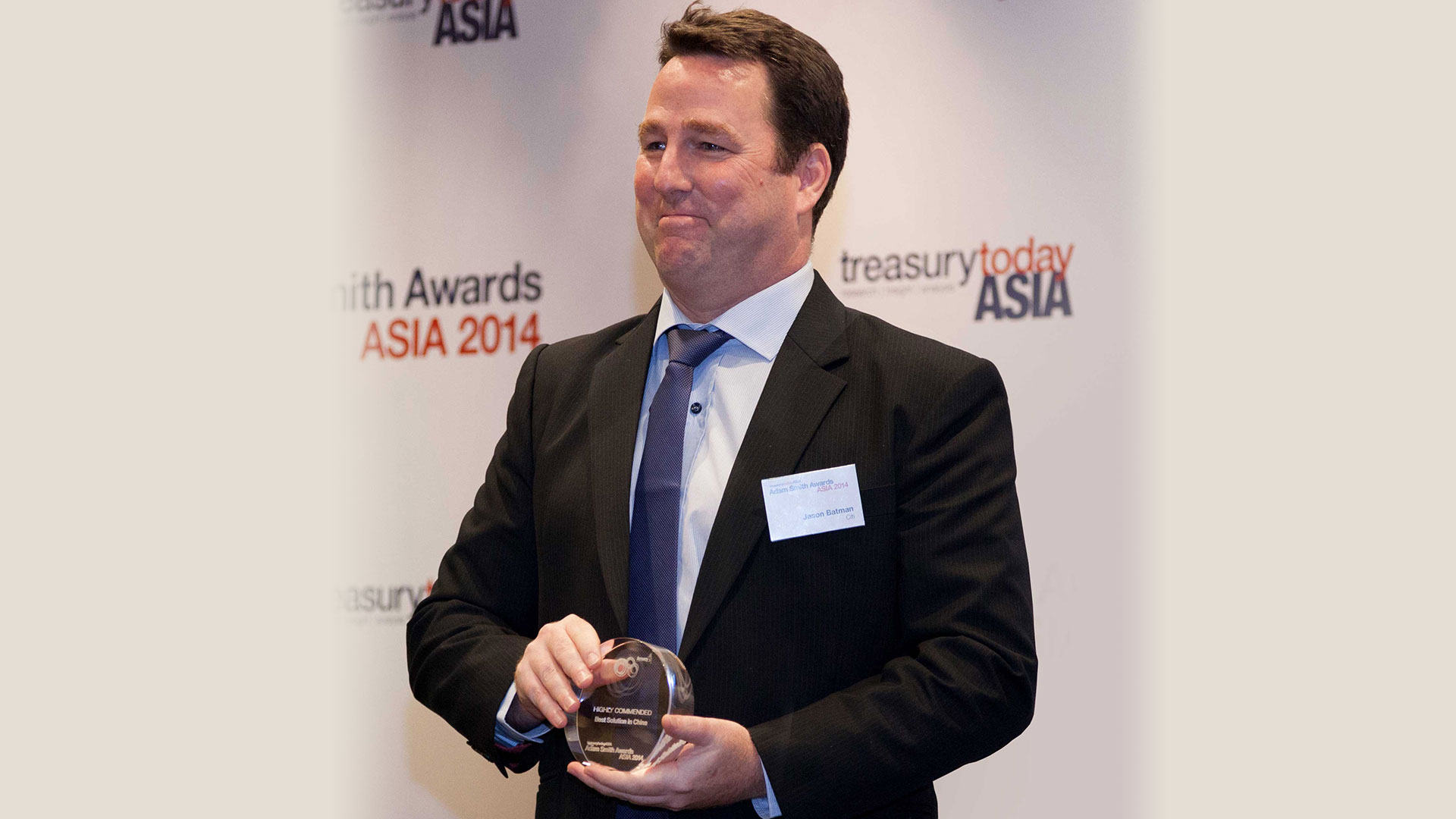
Amway (China) needed to upgrade its treasury operations and control mechanisms. Specifically, the company wanted to enhance operational efficiency with an innovative, automated, host-to-host collection/payment solution to support its e-commerce business model.
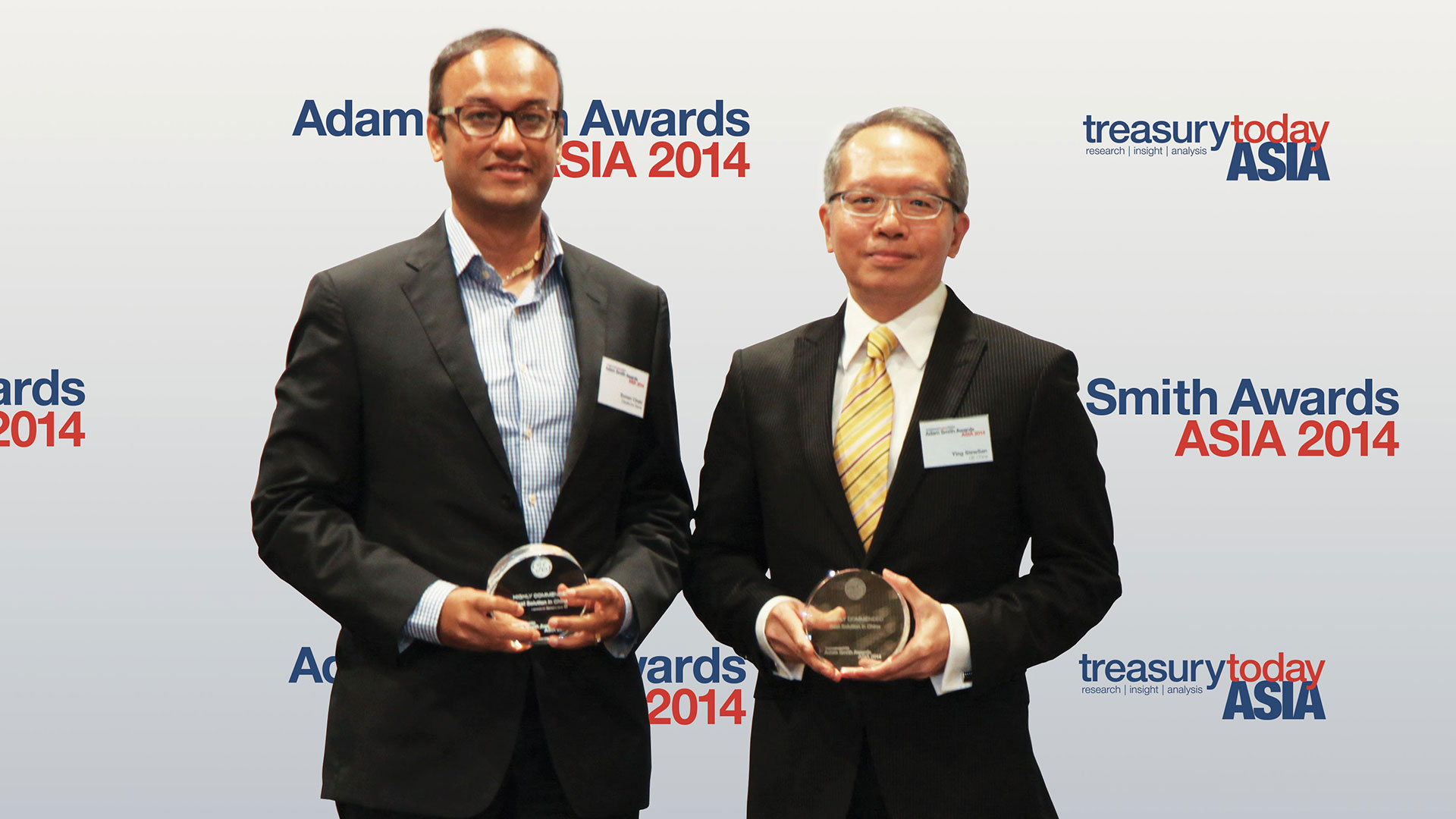
GE required a solution to streamline the sale of its accounts receivable (AR), which were due from a large pool of buyers/distributors in China – across different business units, with different terms of sale.