Adam Smith Awards Asia 2015 winners
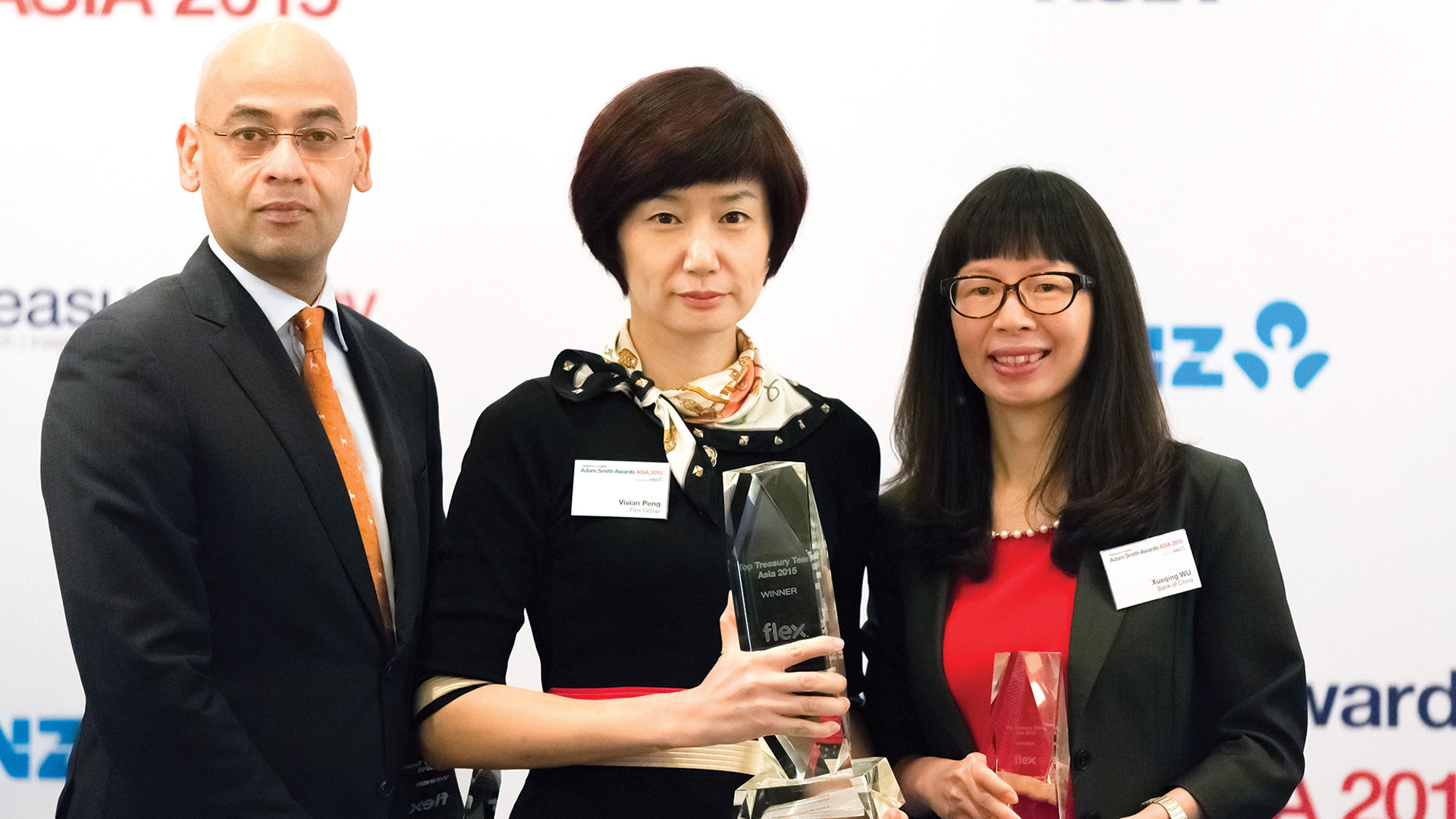
Behind every successful team you will find an ethos that each member subscribes to wholeheartedly. Flex Group, our much deserved Overall Winner of the Top Treasury Team for 2015 has a set of guiding principles that have seen it consistently break through existing barriers and successfully implement many genuinely innovative projects.
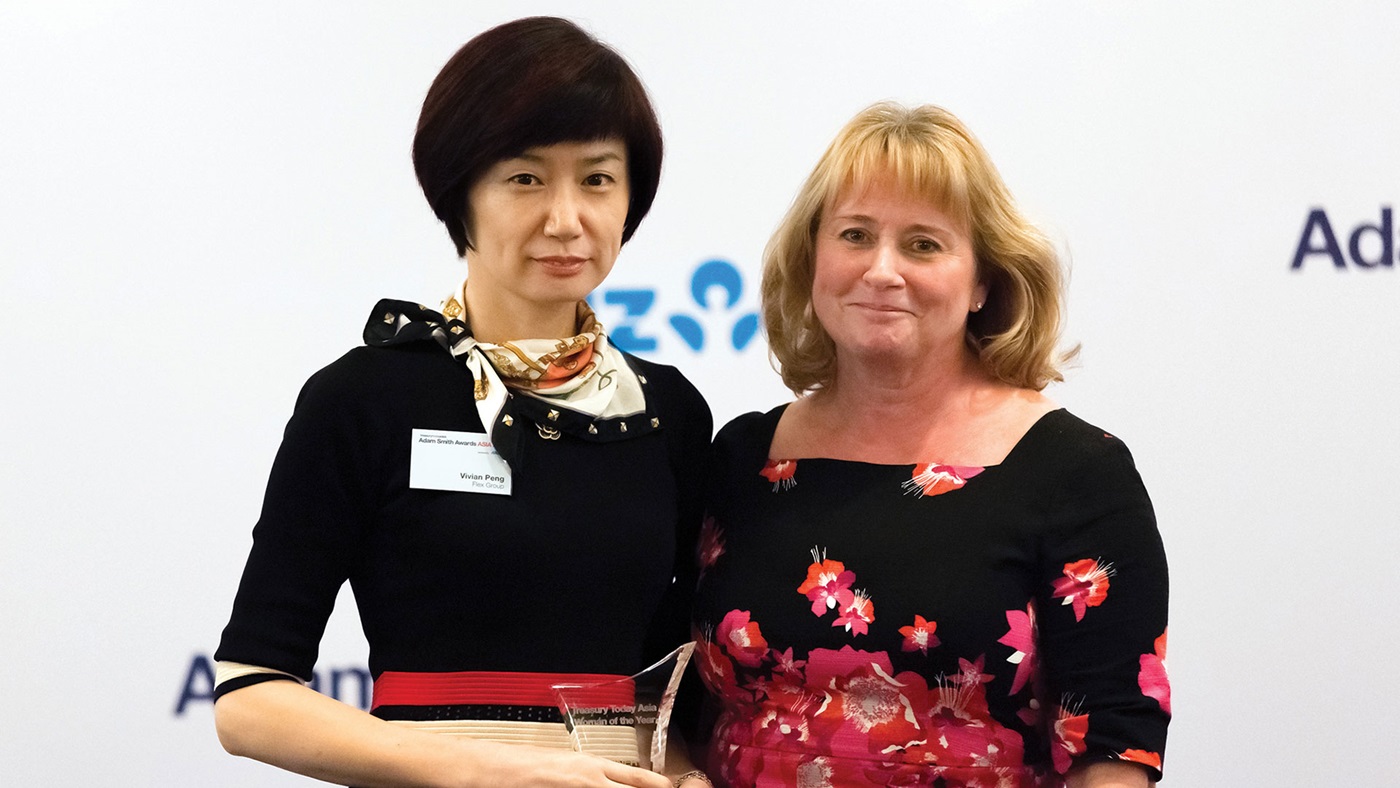
The experience and lessons learned will, she says, prove invaluable as the higher echelons of treasury beckon. She clearly listens to her own advice and is a most deserving winner of our Woman of the Year 2015 award.
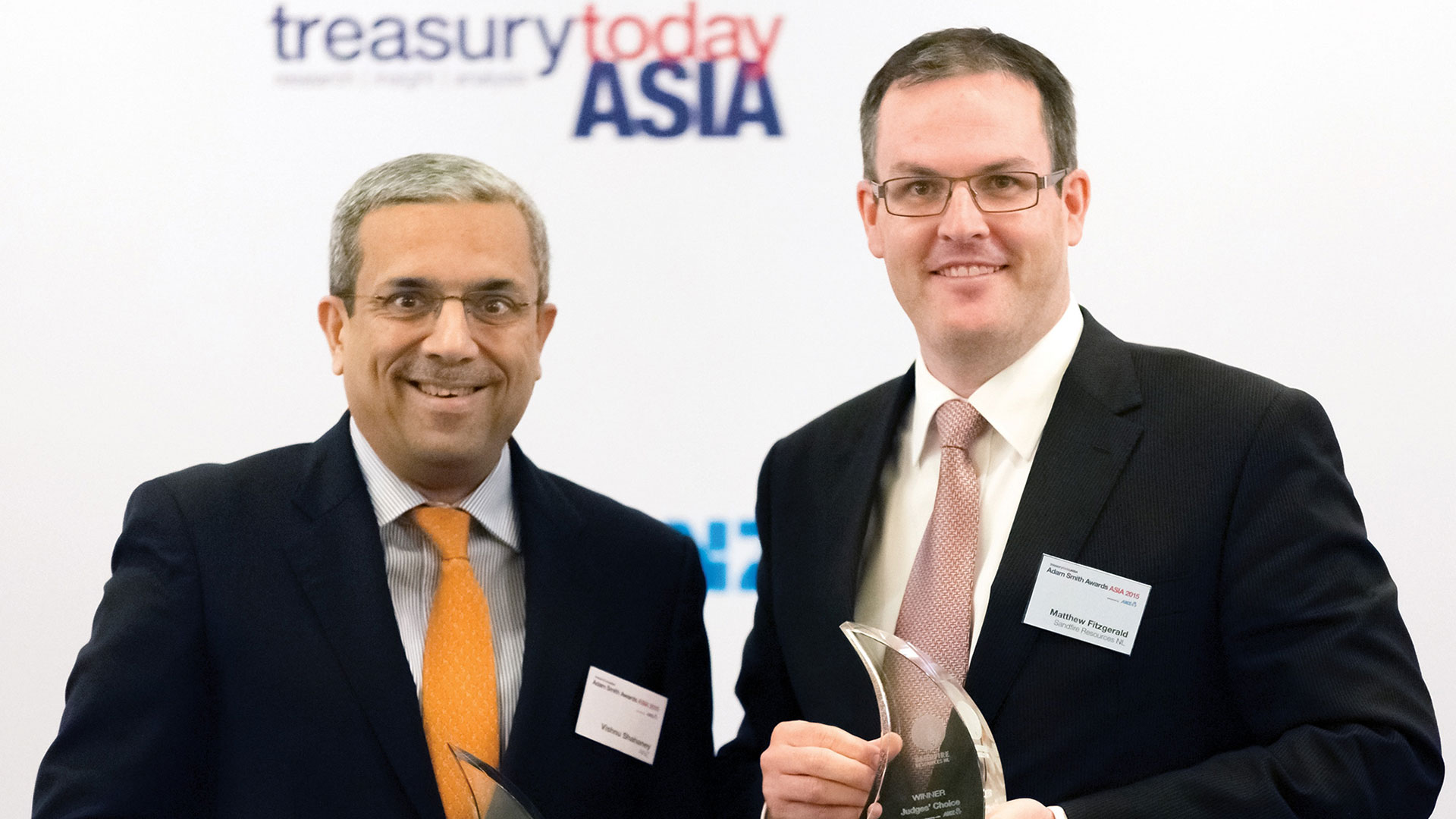
This solution, developed with ANZ, is that little bit different as, compared to the more conventional working capital facilities that are linked to sales receipts, this facility was designed around inventory stockpiles of highly marketable concentrate.
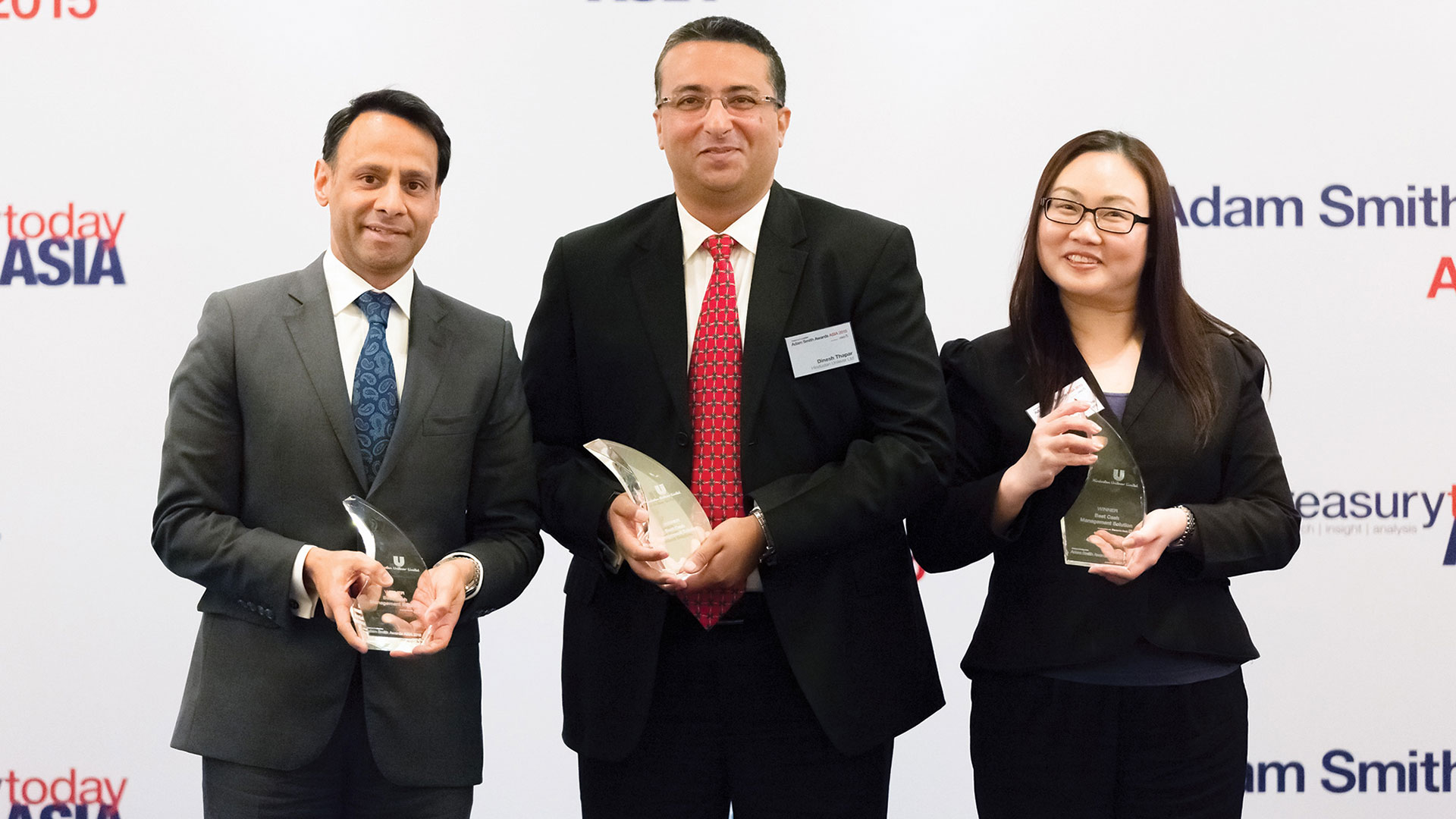
This is India’s largest Fast Moving Consumer Goods (FMCG) company. Dinesh had a simple ambition – to do more with less. He has built a cash management system which is arguably the best among Indian corporates. The solution comprises SWIFT ISO payments, an interface to the company’s SAP system, an e-collections platform, Intelligent Receivables and much more. Bank accounts across eight legal entities have reduced from 200 to 40.
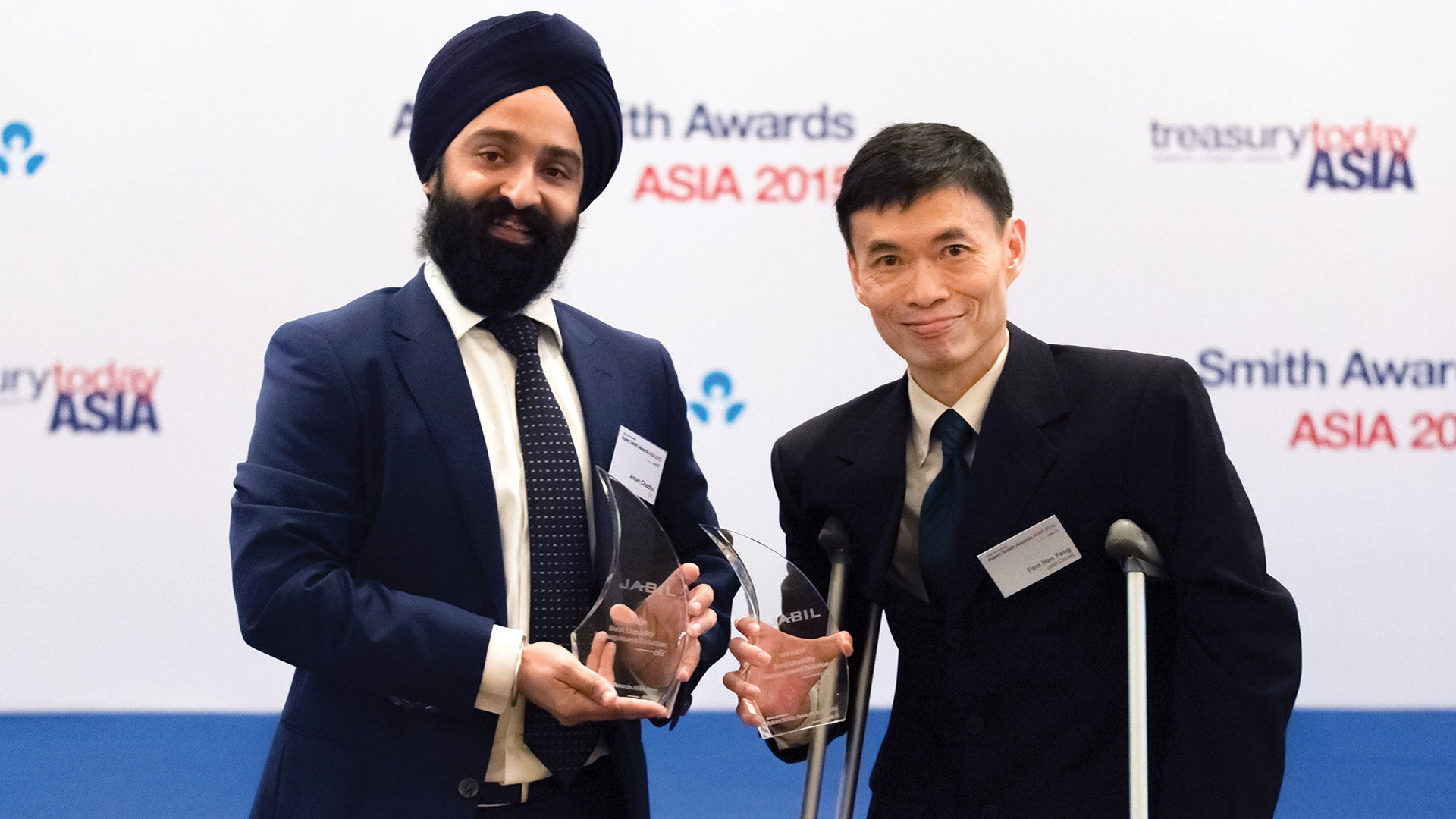
This company operates in over 90 locations in 24 countries across the Americas, Europe and Asia. They have established an in-house bank structure in Singapore. The solution they have implemented with the help of Citi is a sophisticated multi-bank, multi-entity and multi-currency notional pooling mechanism with against-the-sun sweeps; a most innovative liquidity management solution.
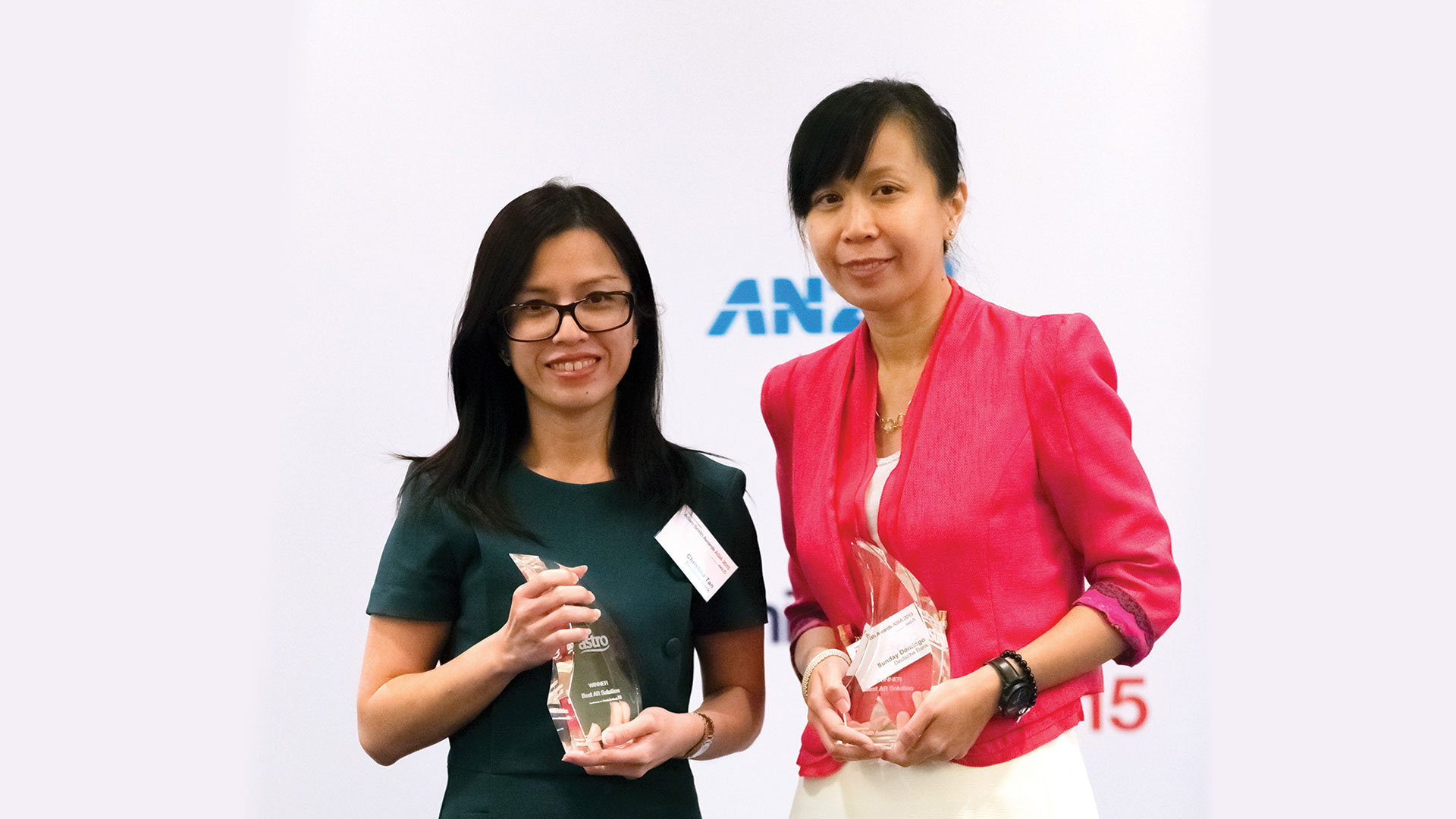
This company reaches over 150 countries and their business model was creating a fundamental mismatch between the purchases from their major vendors and the repayment source from their customers. The contracts with their major vendors were around $100m payable over relatively short tenors. Deutsche Bank has provided a three year account receivables solution backed by promissory notes; a most innovative solution.
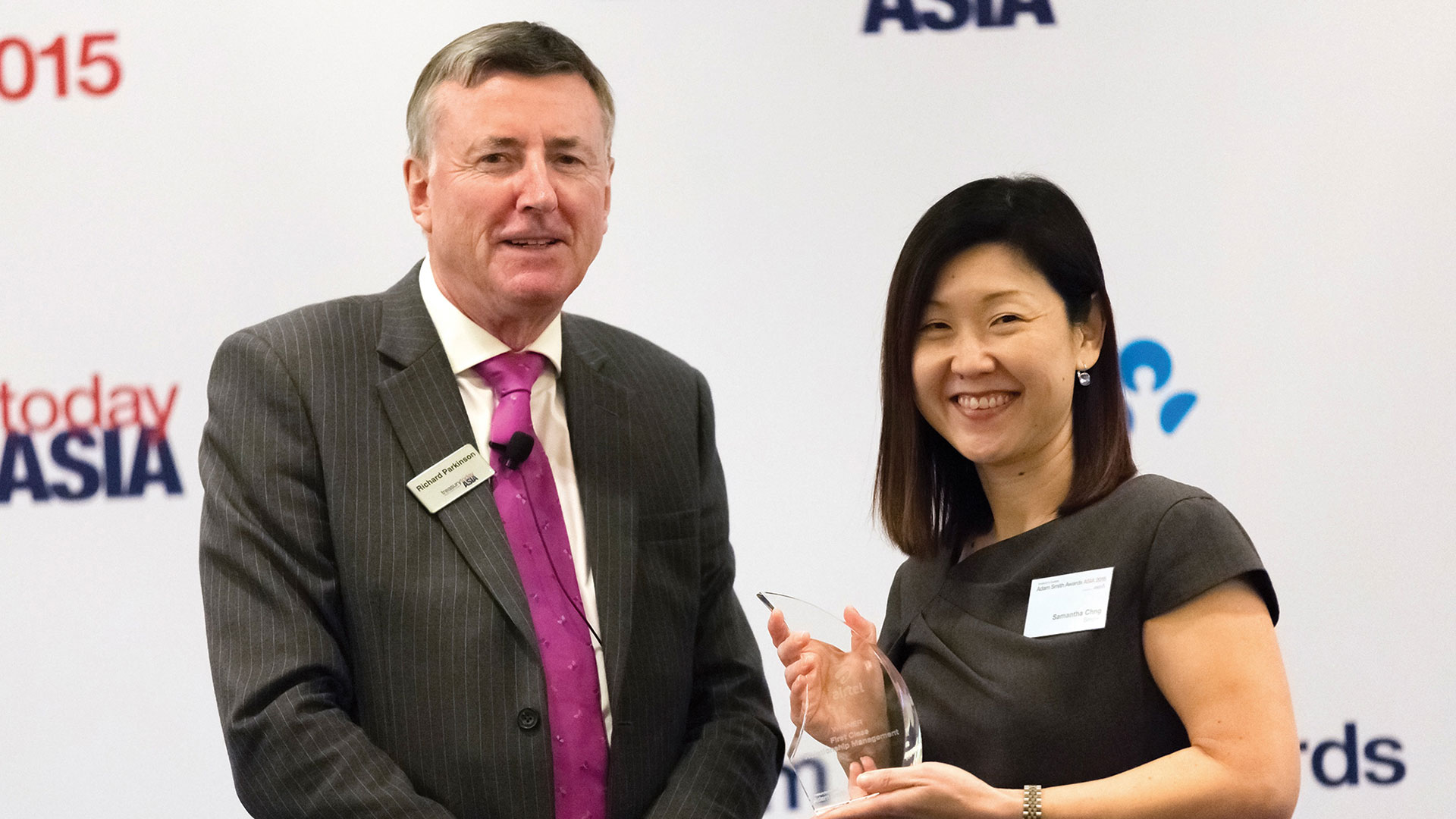
Managing its relationships across the capital structure is core to the philosophy of Airtel; it considers its financial stakeholders as deeply entrenched partners in the business. Effective handling of this resource is critical and comes with its many complexities. Read how Kohli went about this stakeholder management exercise.
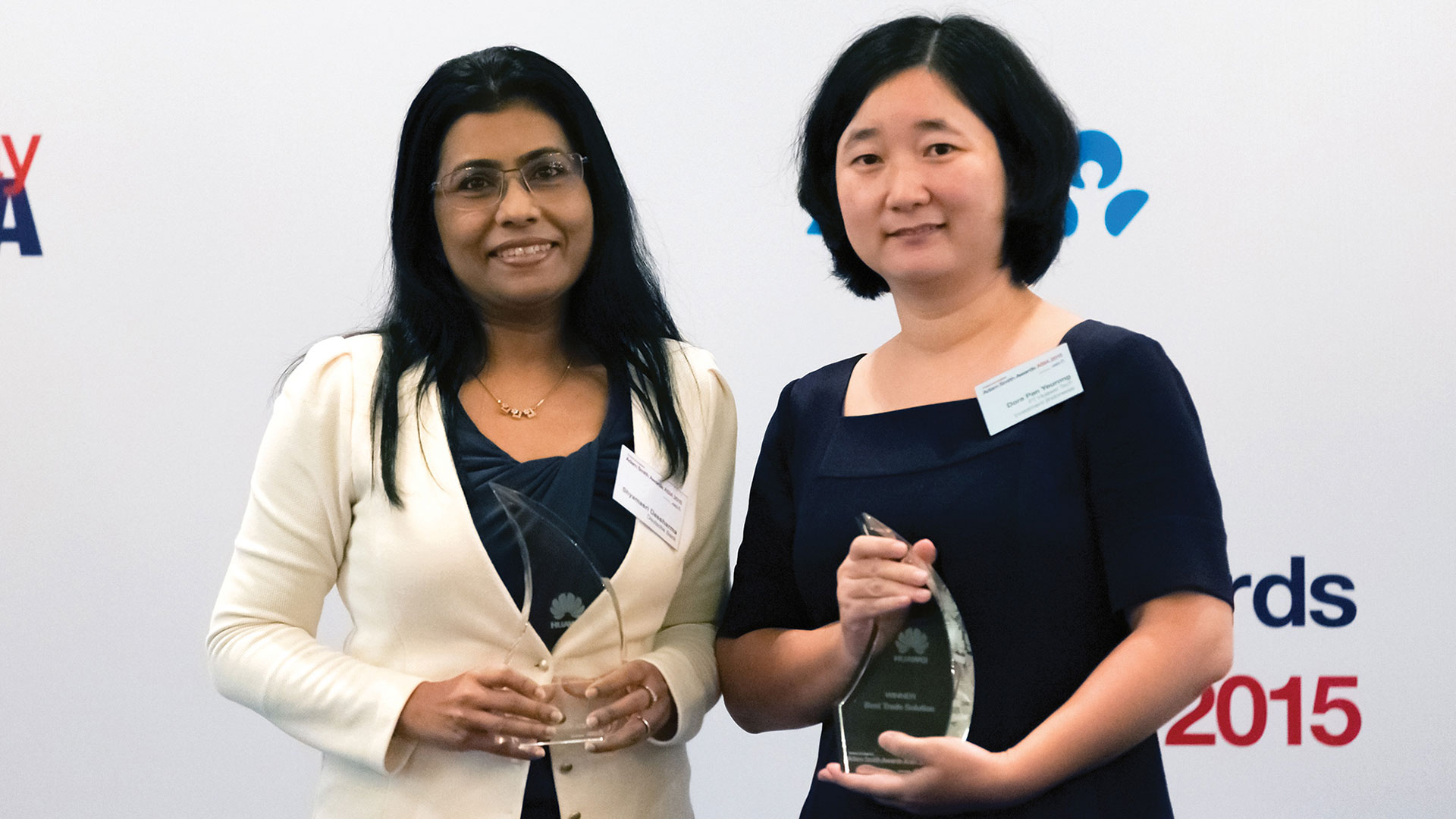
An innovative trade solution involving a total facility of US$30m with a three year tenor; interestingly the underlying sale transaction occurred under Indonesian law, whilst the financing was structured under Singapore law and the credit cover through insurance under Chinese law. Quite a complex legal framework.
CGG has devised a unique point-of-sale (POS) cashless payment solution to overcome the challenge of handling a large amount of cash when transacting with its customers. The POS cashless payment solution converts the POS machine into a two-in-one machine which not only allows for payment collection, but also vice versa.
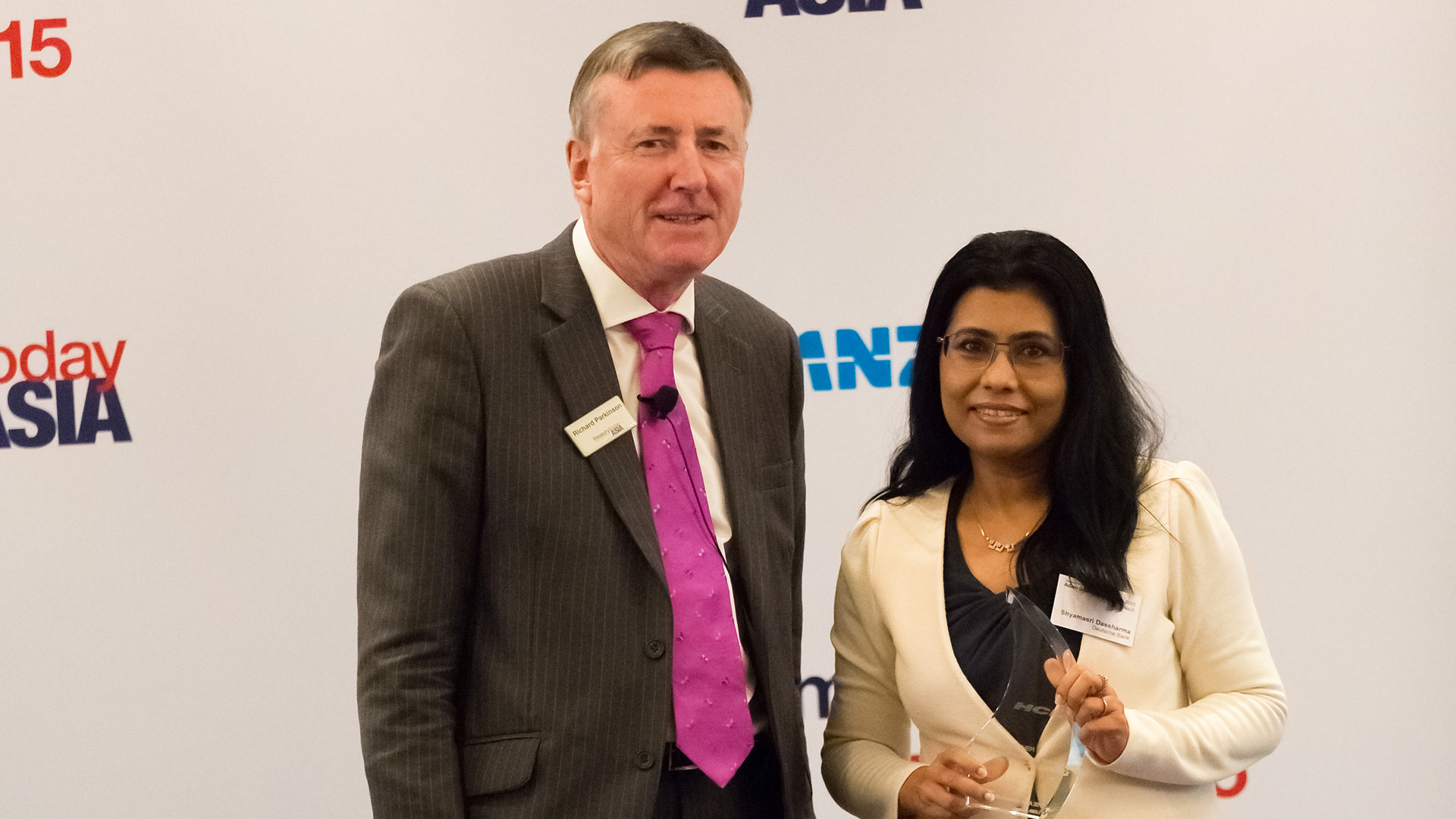
There was strong competition for this company’s business and Deutsche Bank’s FX4Cash platform was selected by HCL Technologies. The solution covers 23 entities across Europe and America and caters for 23 different currencies, all managed from the company’s centralised treasury function in Noida, Uttar Pradesh, India.
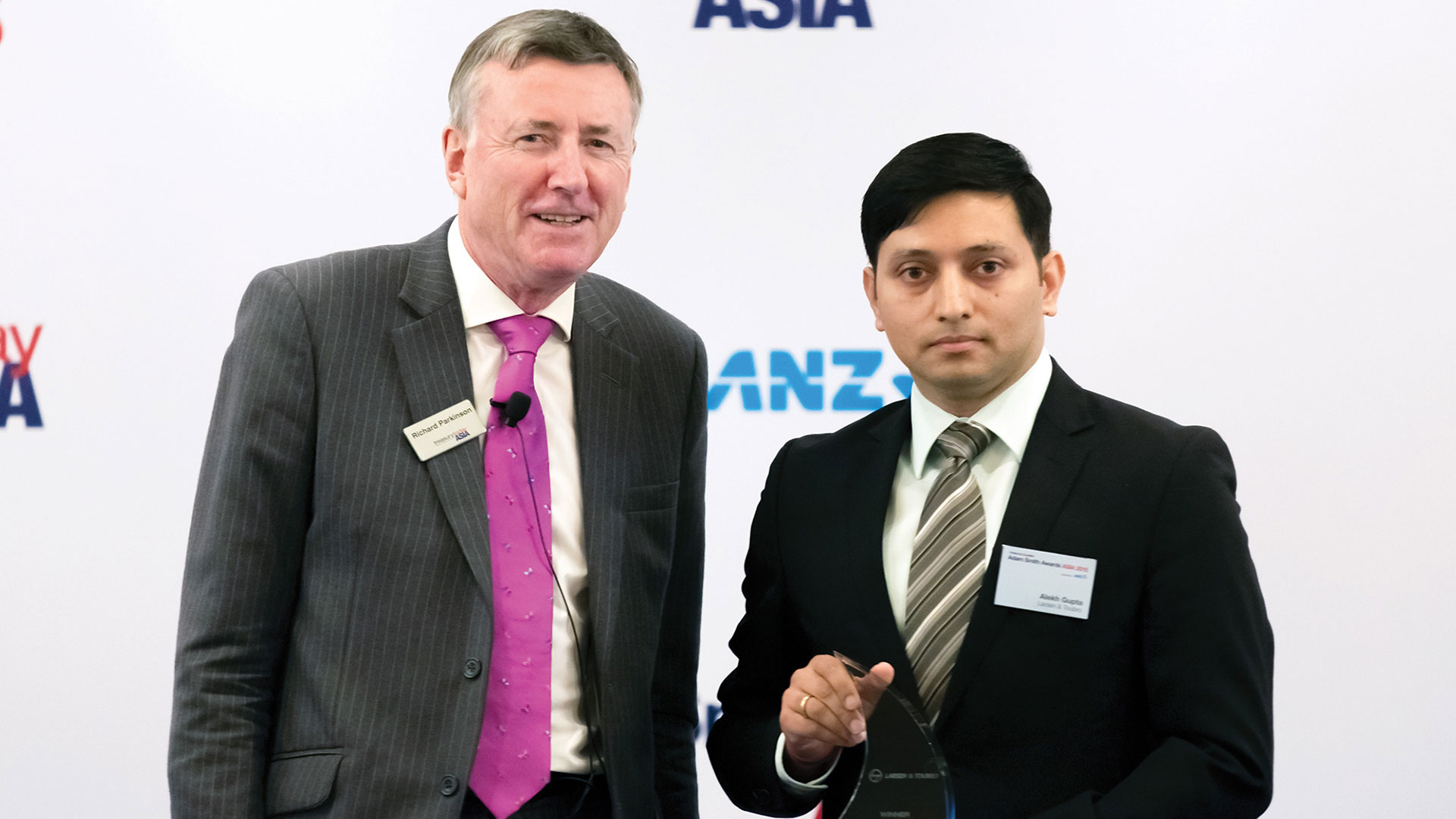
Larsen & Toubro had a small financing issue that needed to be addressed. They required about $1.2bn – there were over 20 banks involved in the consortium which was proving quite onerous. So, the corporate finance team went to work on a plan to replace high-cost bank debt with bonds and commercial paper. This has had dramatic results reducing interest rates by 3.5% on a debt of £1.2bn. You can do the maths here but suffice to say the savings were considerable.
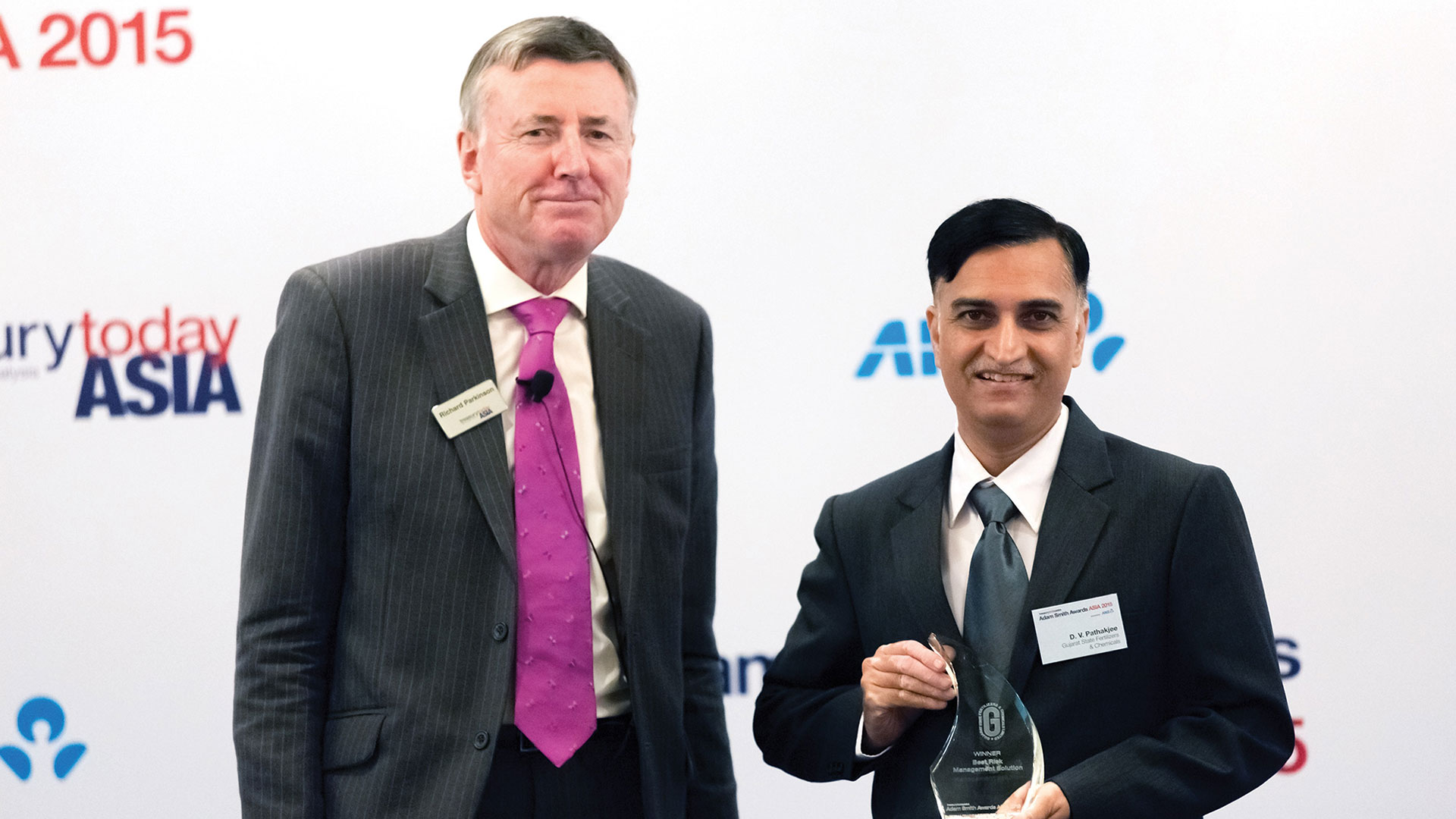
We have heard a lot about the risks associated with currency volatility of late. This company was exposed to significant foreign exchange risk relating to the USD v Indian Rupee. With a small treasury team of just four, the company has implemented FX risk management practices which have insulated the business from such volatility. Savings have been around 25% of their hedging costs and their hedging strategy has shifted from currency futures or forward contracts to call spread and seagull option structures.
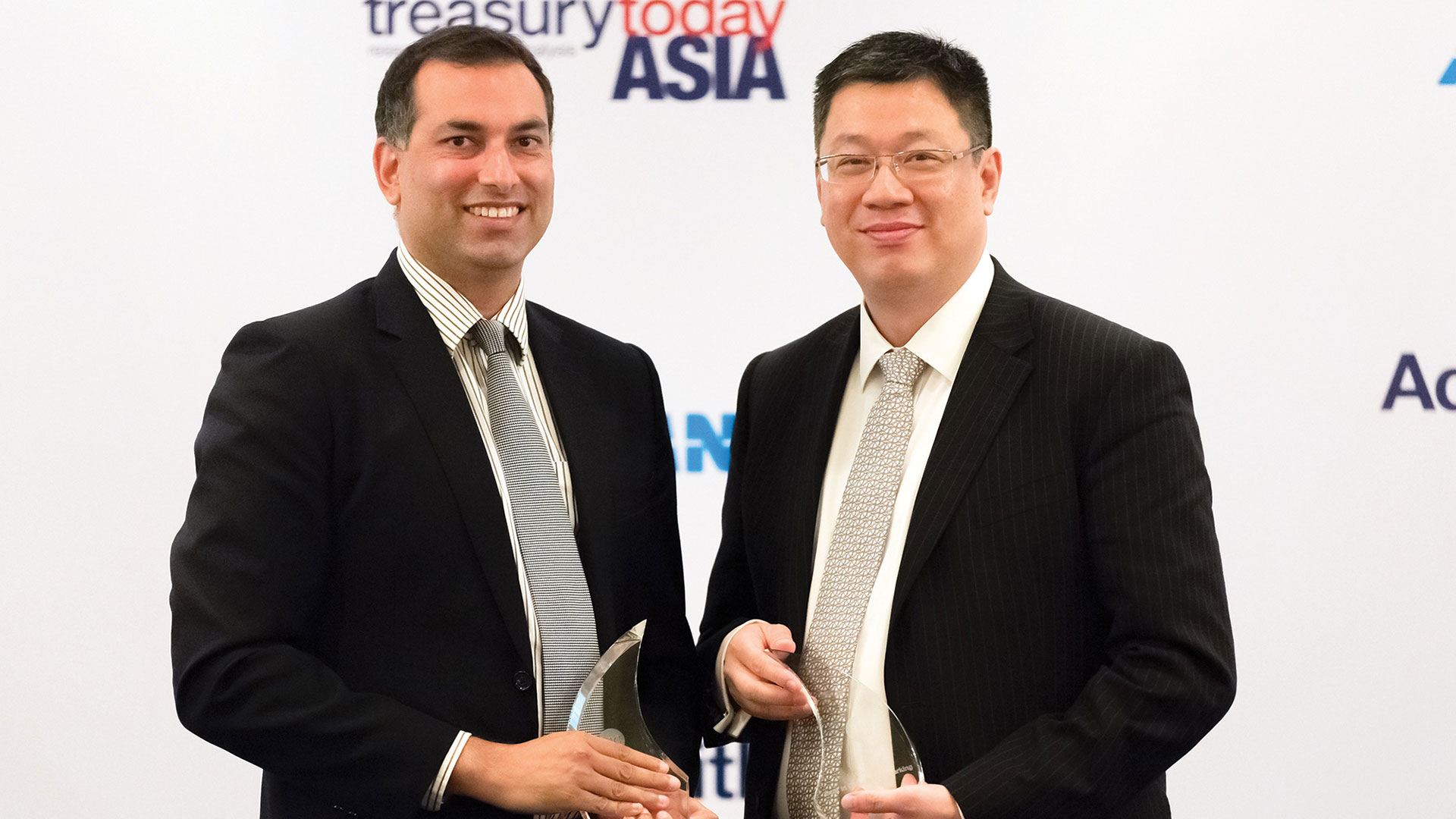
Most companies want to know their exact financial position in order to make well-informed decisions. DFS is no exception so they have identified some metrics to benchmark their performance against a number of key performance indicators (KPIs) in the areas of FX, funding and investments. The company has worked with Thomson Reuters to implement these benchmark metrics, providing a great example of what is possible with the right systems in place.
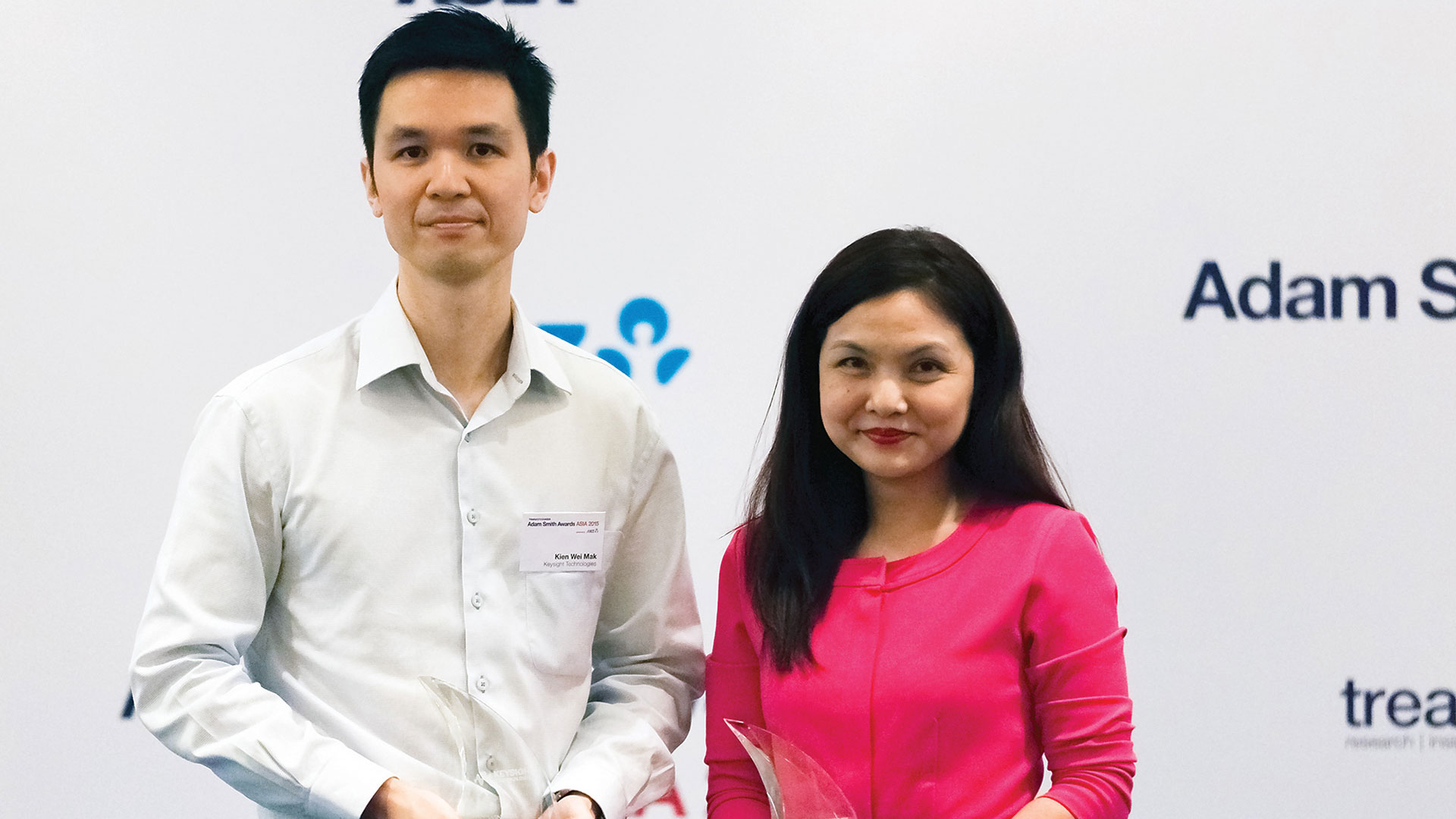
When this company was spun off from Agilent, it needed to set up a globally integrated structure across 30 countries within a 12 month time frame from scratch; easy when you know how. Working with their banking partner, the company established a team based in Singapore comprising people from Keysight and Citi and the Singapore Finance & Treasury Centre was born.
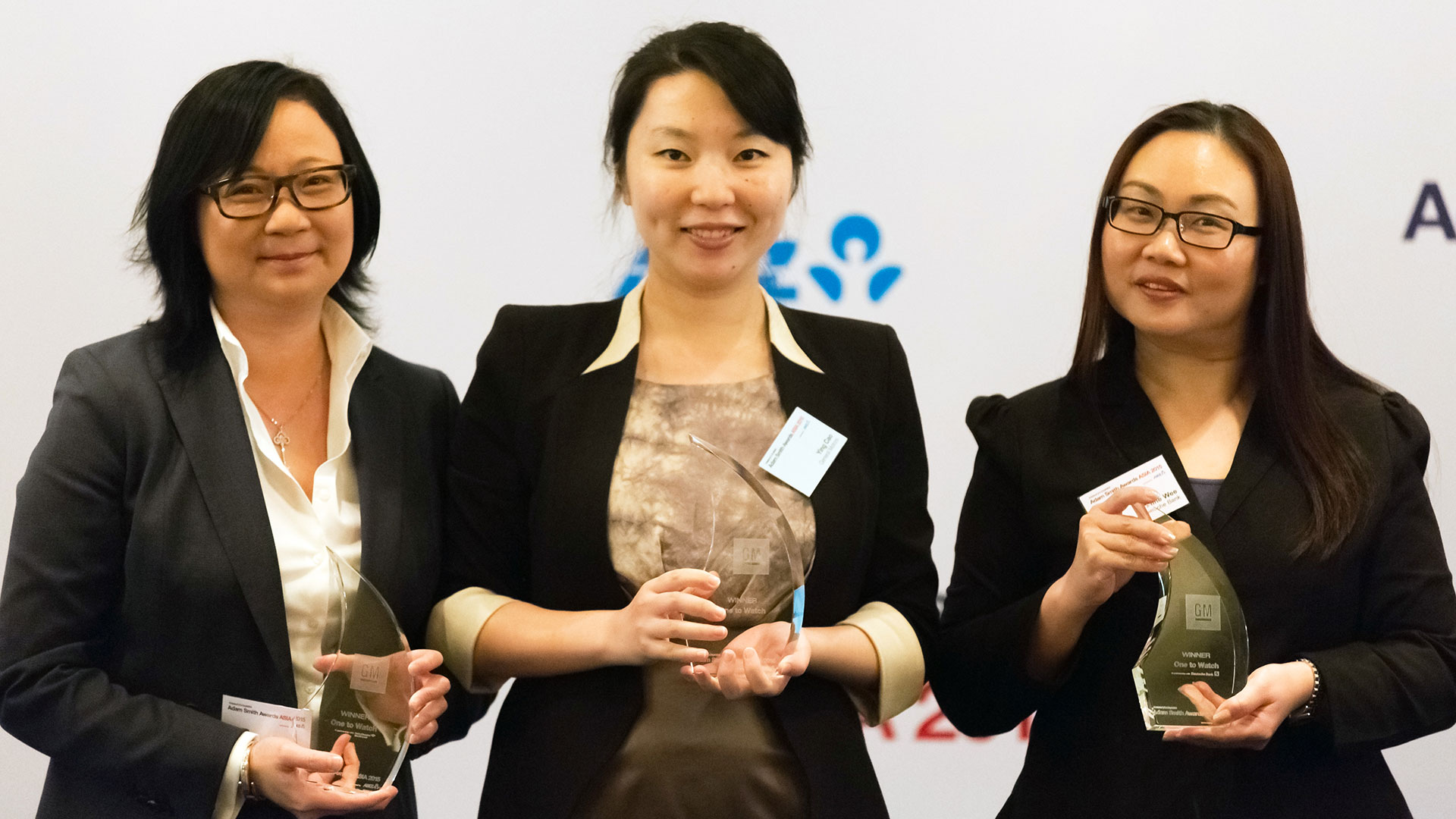
This is an ambitious treasury transformation project across Asia and certainly One to Watch as we are told more is to follow in 2016-17. GM is working with Bank of America Merrill Lynch and Deutsche Bank based on an evaluation which focused on a variety of criteria including technical and SWIFT capabilities, in-country propositions, pricing and geographical coverage, perhaps proving that no single bank can do everything everywhere?
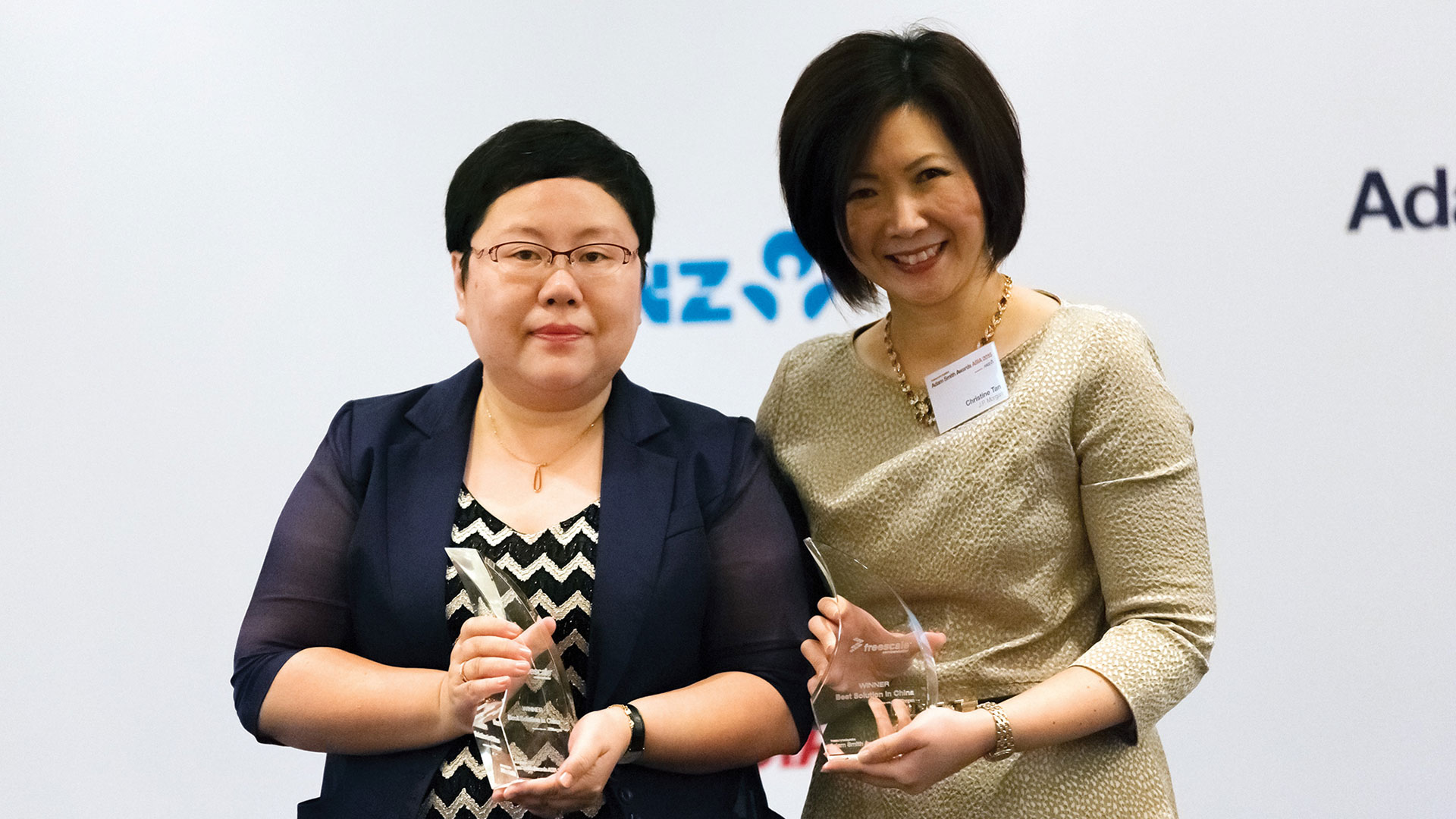
This company wanted a solution that would enable it to complete cross-border sweeps and centralise its payments. SAFE – the State Administration of Foreign Exchange – came to the rescue when it approved the company’s application in December 2014. Just two weeks later it’s first US dollar cross border sweep took place. Additionally, the company completed the first POBO transaction from its parent company in Hong Kong. All of this and more was enabled by J.P. Morgan, the bank Freescale engaged on this project.
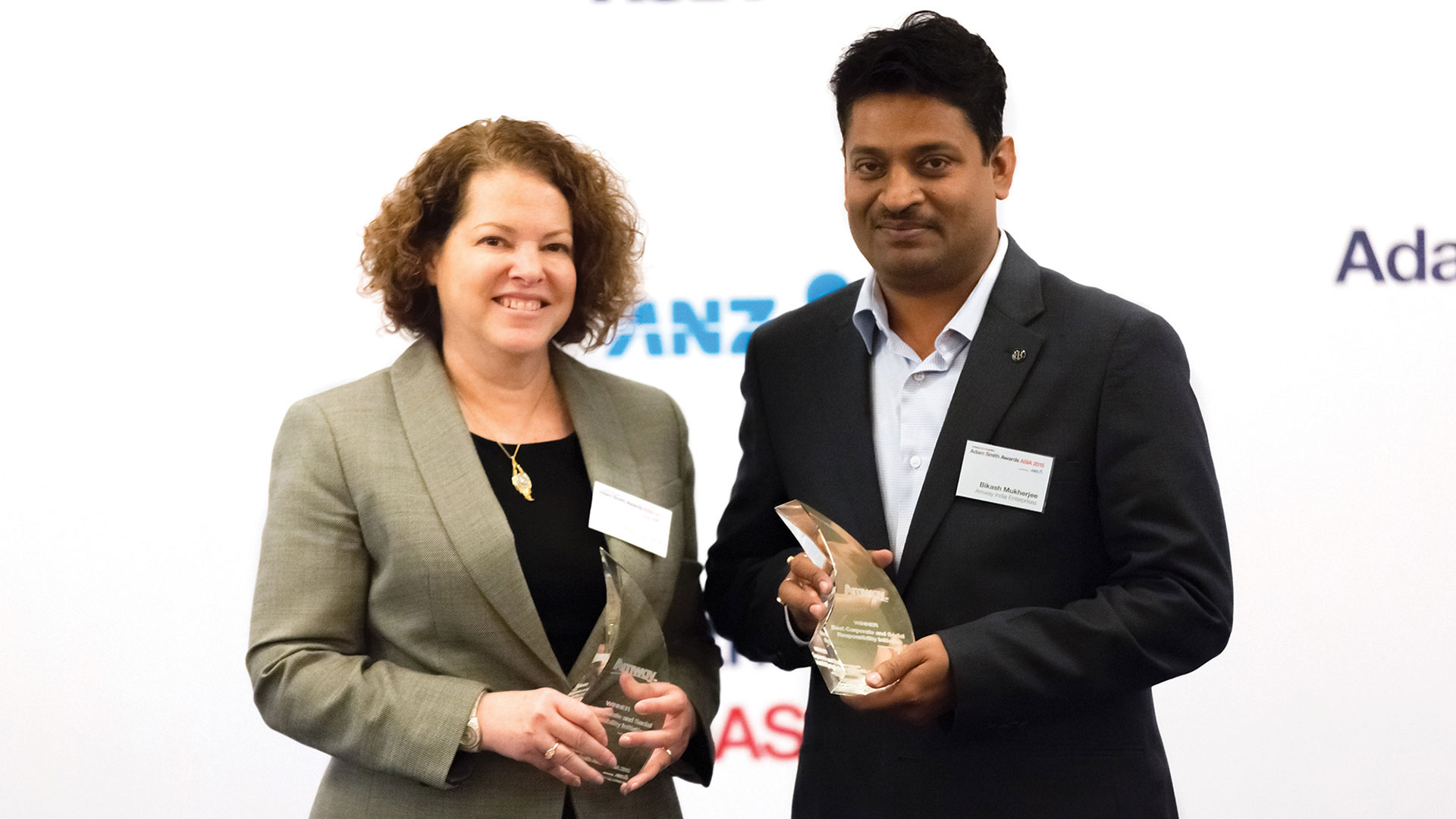
Amway India is a great example of a company which embraces its corporate and social responsibility. The company’s contribution to society or social well-being is core to its ethos and beliefs and this solution reinforces these ethics. Working with its bank, Citi, the company has established a paperless supplier finance programme with no requirements for specific transaction documents or frequent invoice audits.
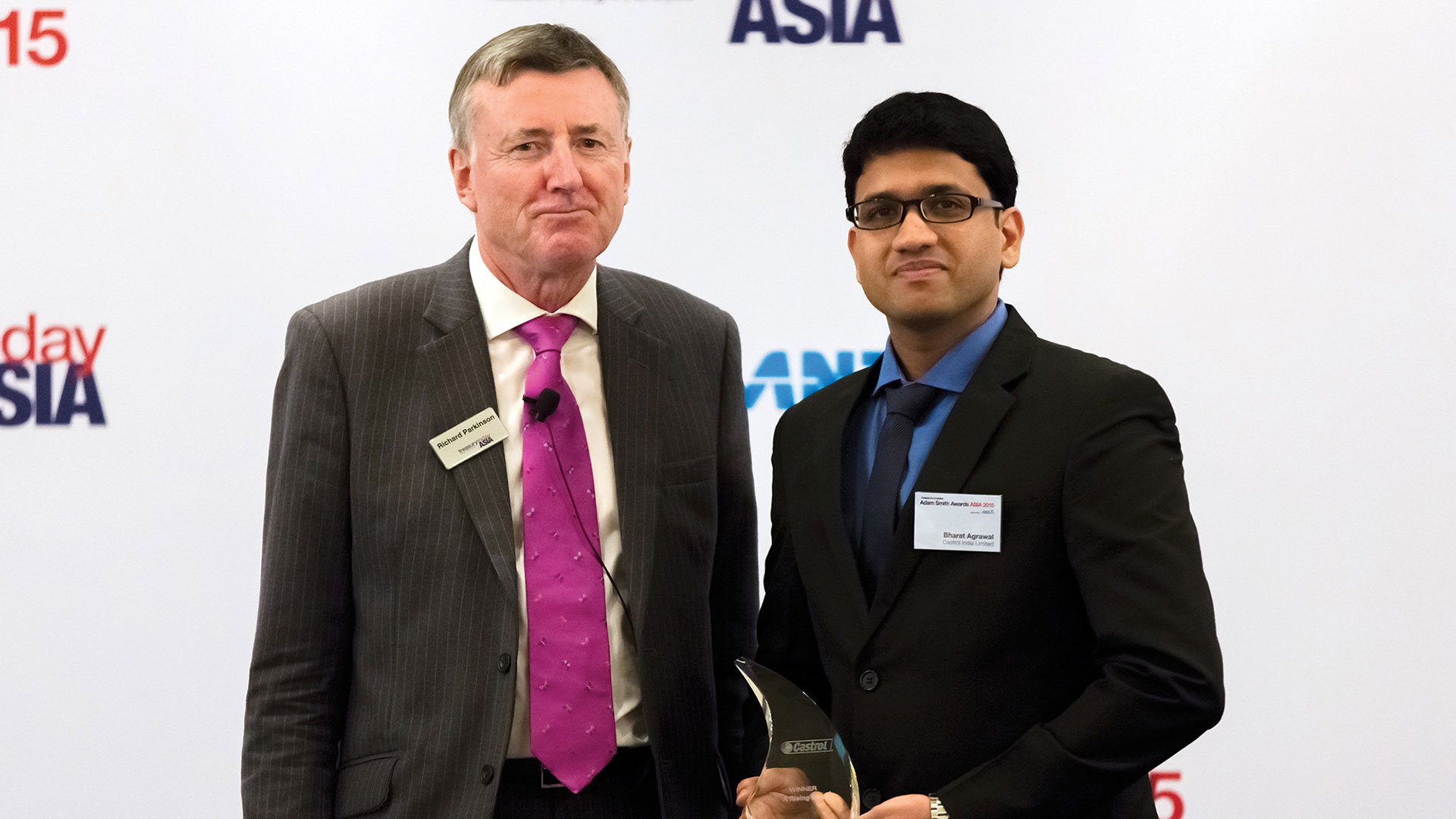
This is a new award for 2015 and our inaugural winner is Bharat Agrawal who currently heads the treasury function of Castrol India Limited. Having a strong belief in continuous learning, Bharat has added a professional qualification or certification to his knowledge base almost every year. Bharat has a comprehensive knowledge base including finance, management accountancy, secretarial and companies act compliance and civil laws. It is his academic excellence and attitude towards career progression that our judges felt deserved recognition as the Treasury Today Asia Rising Star for 2015 – a Rising Star indeed.
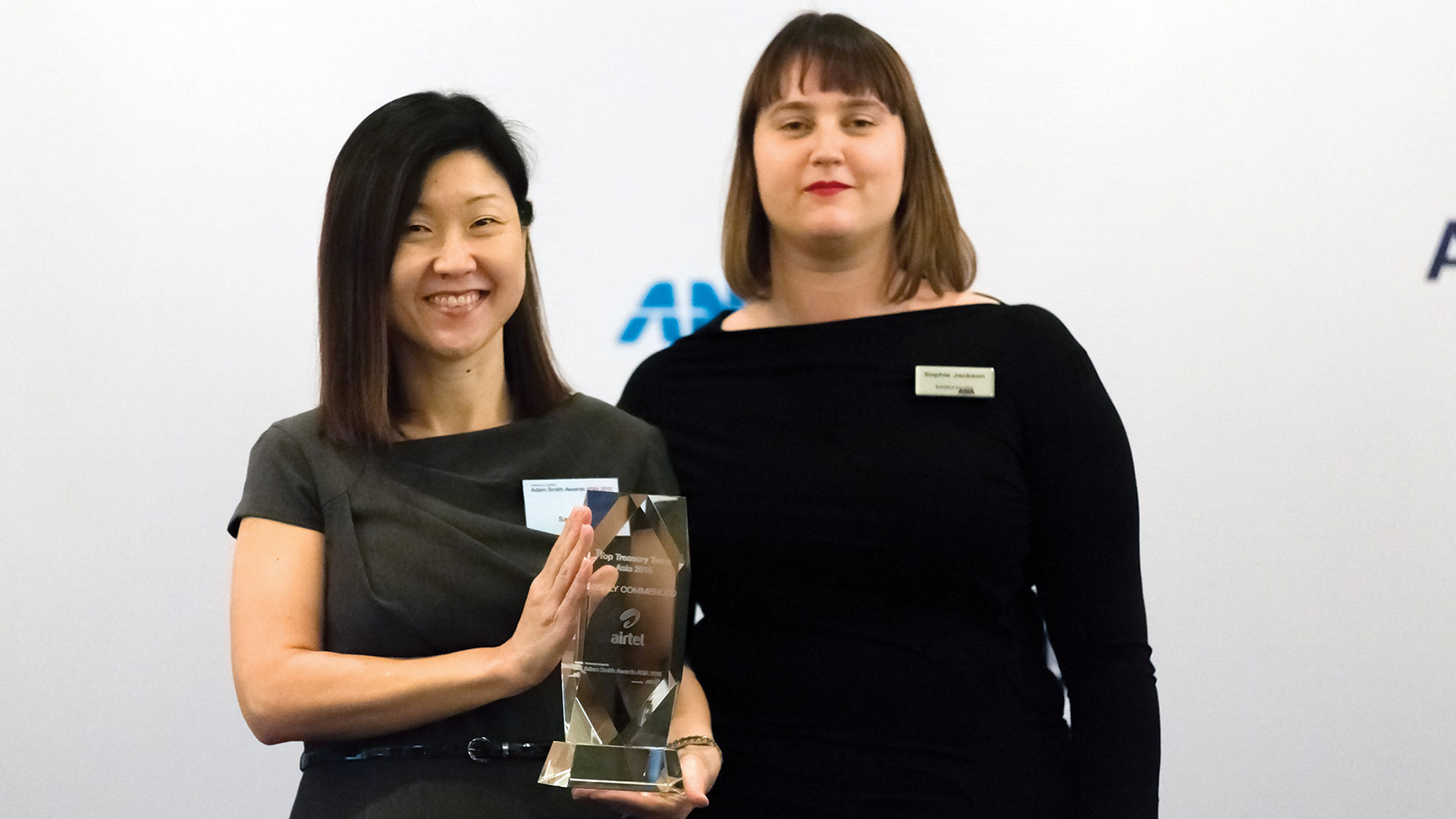
Group Funding, Risk & Markets (GFRM) at Bharti Airtel under the leadership of Harjeet Kohli has again been working hard following the team’s Top Treasury Team accolade in these awards last year. This solution revolves around providing the business with an optimal and diversified mix of debt capital. The team also set about materially transforming the risk profile of the organisation. Read how Kohli and his team went about doing this.
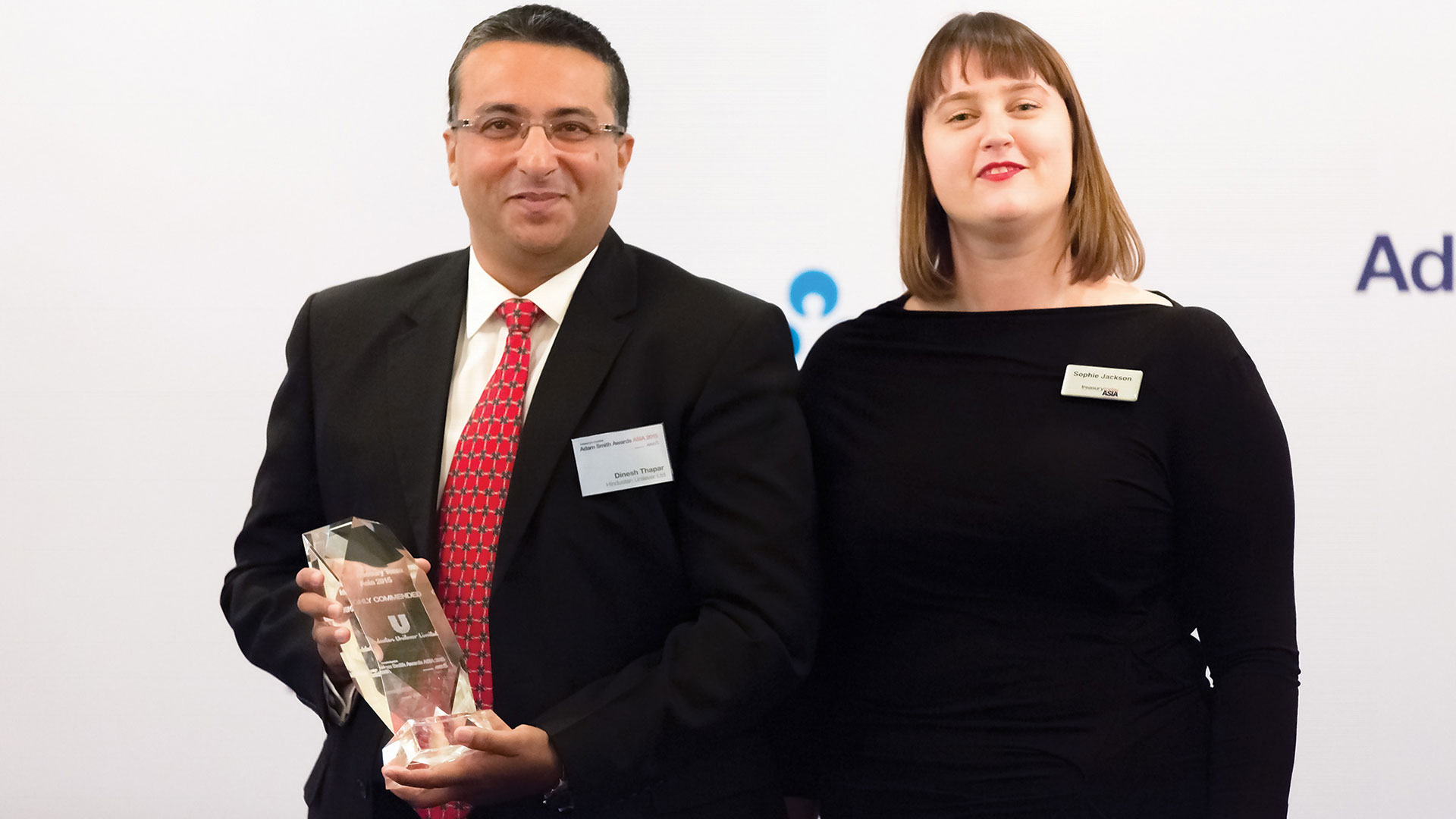
The FMCG sector by nature is a cash generative business and HUL operates a negative trade working capital cycle. The key challenge for HUL’s treasury team was thus to find ways to support this model for a rapidly growing business in an ever-changing, volatile and complex environment. HUL is an early adopter in several areas with this solution which has delivered some impressive benefits.
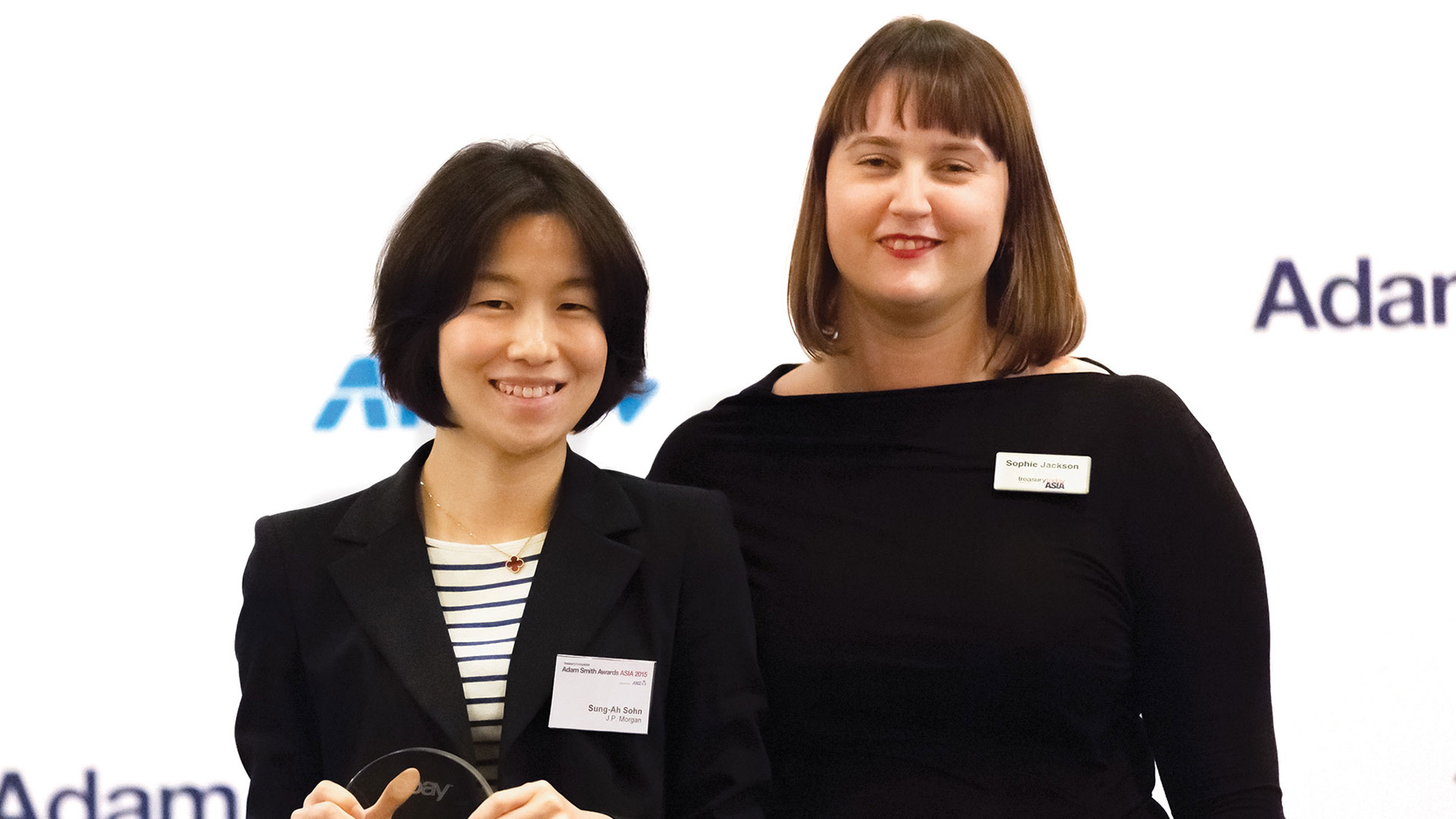
This nomination was submitted in the ‘One to Watch’ category but our judging panel felt it most worthy of the highly commended Judges’ Choice award due to its innovative nature. This impressive solution has greatly improved the company’s accounts receivables reconciliation process. The solution involves the use of the company’s banking partner’s nostro account held with a local bank. eBay Korea is the first company to implement this highly innovative and unique account structure in Korea with J.P. Morgan.
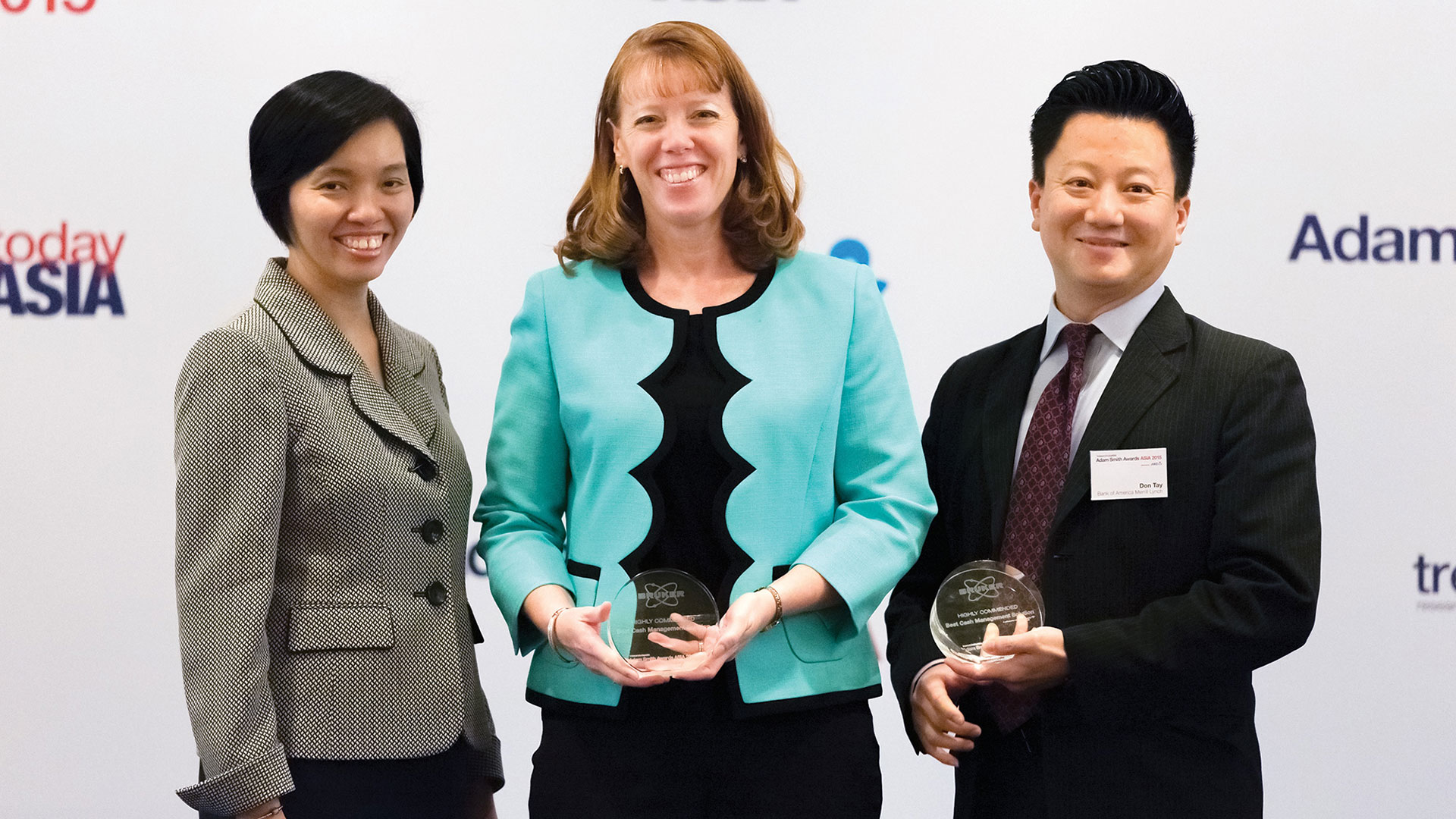
Until 2013, this company was working with around 25 different banks in Asia, where the company operates in Australia, New Zealand, Singapore, Korea, Taiwan, Thailand, Vietnam, Malaysia, India and Japan. This resulted in multiple inefficiencies and disparate processes across the region. Now, working with Bank of America Merrill Lynch, the company has eliminated manual payments, adopted electronic payments and implemented standardised services and controls across the entire Asia Pacific region.
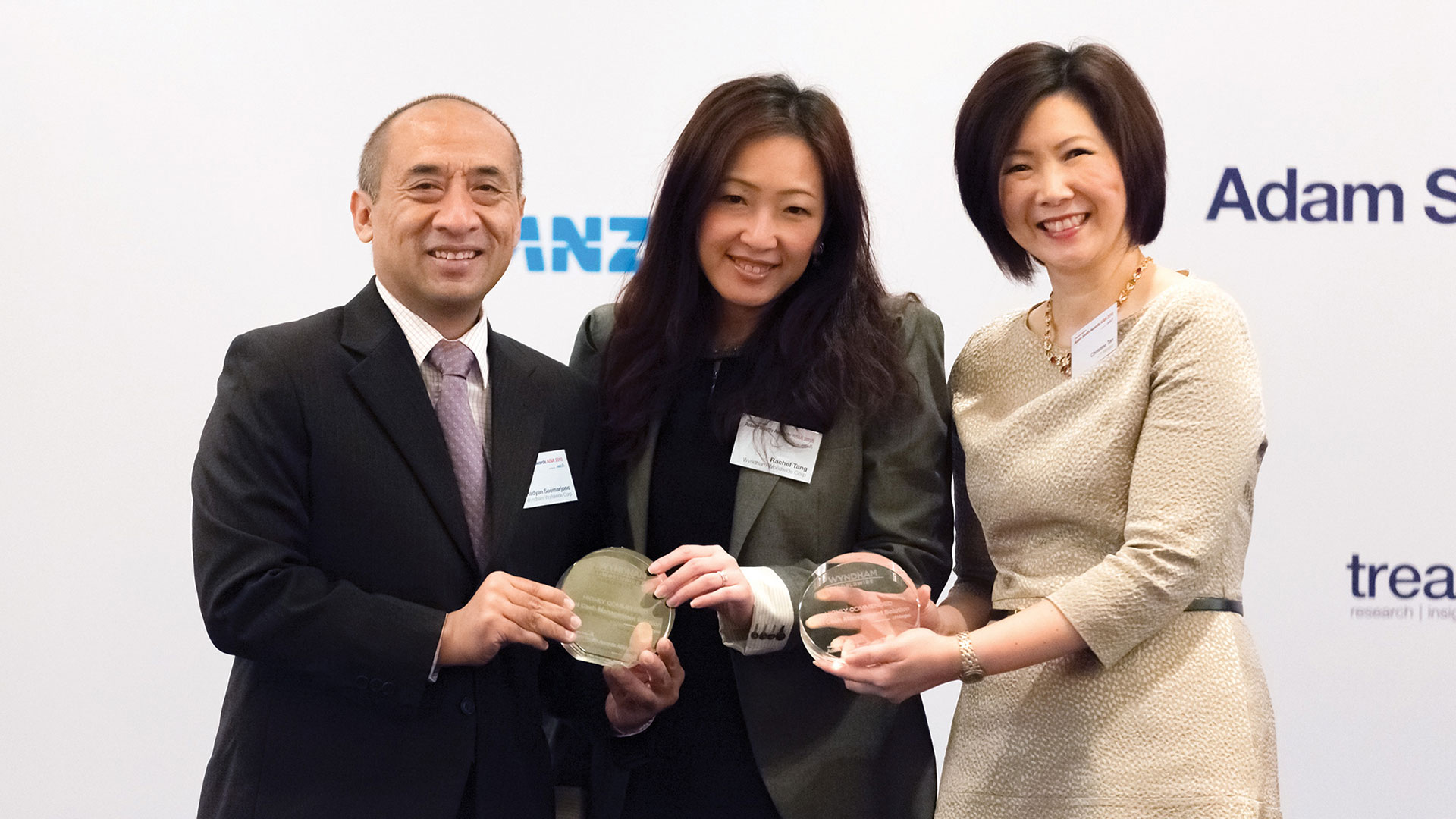
By changing its cash management practices extensively, Wyndham Worldwide Corporation leveraged leading-edge practices and innovation to shift from a traditional treasury structure with high expenses, to a new solution that improved efficiency, yields and risk management. The company has adopted J.P. Morgan’s ACCESS solution together with the bank’s host-to-host solution.
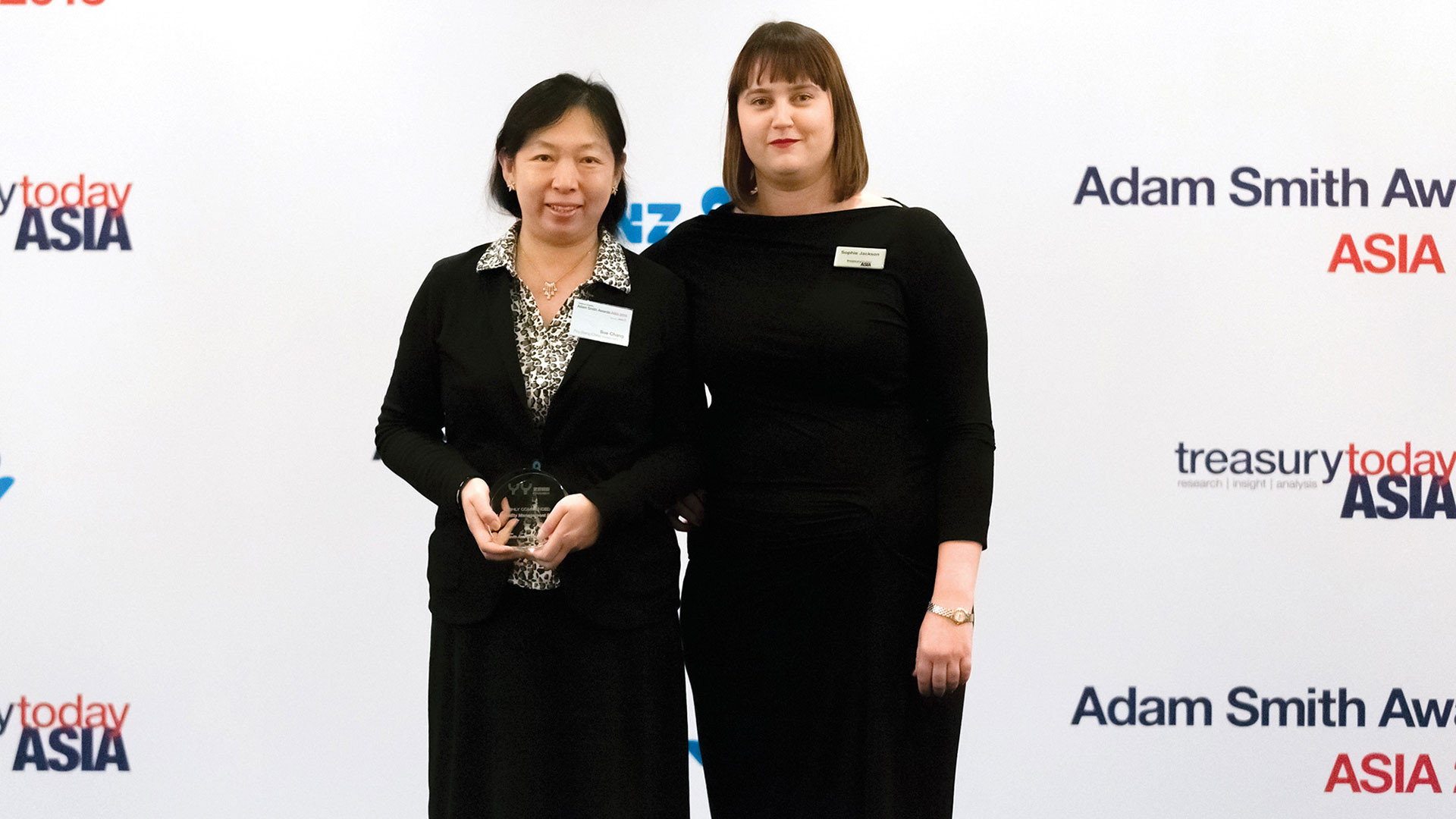
In June, Pou Sheng China completed the first cross-border RMB two-way sweeping transaction outside the Shanghai FTZ (Free Trade Zone) for a Taiwanese enterprise, after the PBoC’s RMB cross-border pilot was extended nationwide. Read how the company achieved this.
Cargill worked with J.P. Morgan on this innovative solution which uses a Global Earnings Credit Rate (GECR) that allows Cargill to leverage their balances in eligible markets, subject to regulatory approvals, to offset their global service fees. The programme has been implemented in Singapore, Hong Kong, Japan and the US across 11 currencies and over 40 accounts.
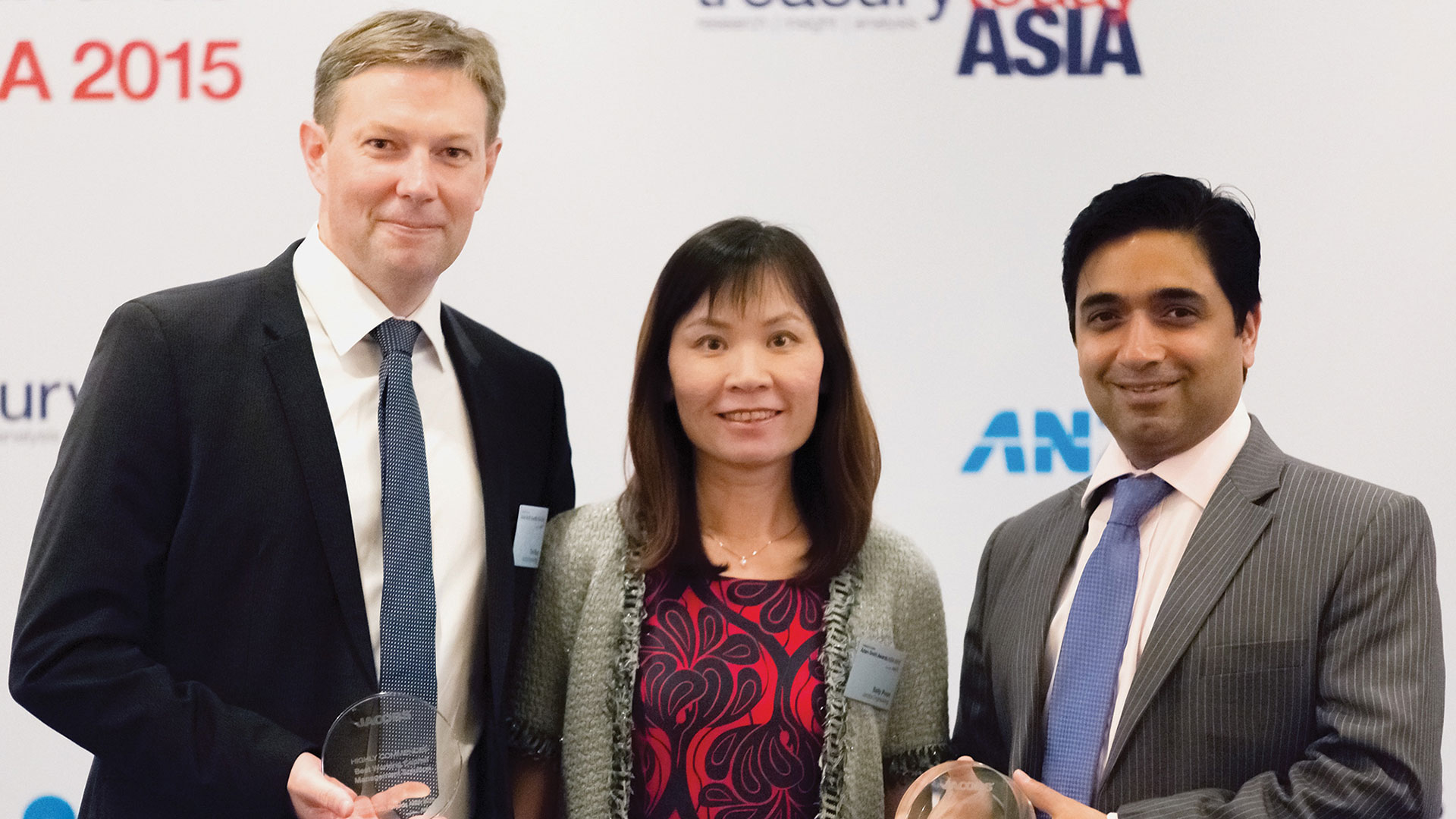
Following a number of acquisitions, most notably the purchase of engineering company Sinclair Knight Merz (SKM) in 2013, Jacobs Engineering’s business in the Asia Pacific region tripled in size. Naturally, this lead to some significant integration challenges. The solution provided by Bank of America Merrill Lynch has resulted in the number of bank accounts reducing from 214 to 80 and improvements in the company’s DSO and DPO working capital metrics.
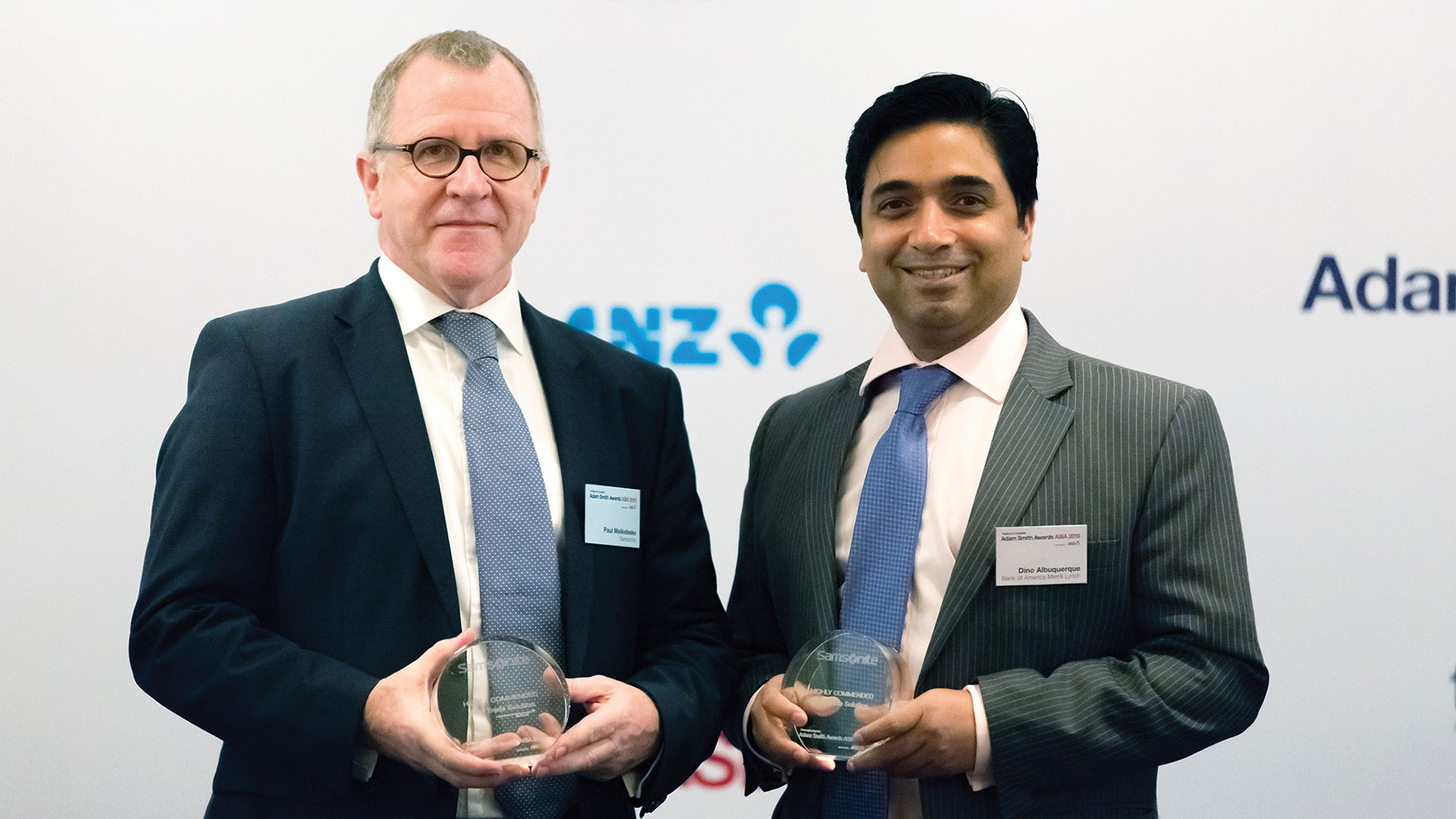
This innovative supply chain finance programme, a Bank of America Merrill Lynch solution, has enabled Samsonite to increase the payment terms offered to its suppliers to 105 days, resulting in a significant increase in the company’s DPO and thereby improving the company’s working capital position.
As part of the process of re-invigorating its financial model, international bank guarantees were issued by CTCI’s local bank in Taiwan. The solution incorporated a bid bond, advance payment bond, performance bond, retention bond and warranty bonds. This was done in support of the company’s new projects but the arrangement also serves to free up working capital through banker’s guarantees.
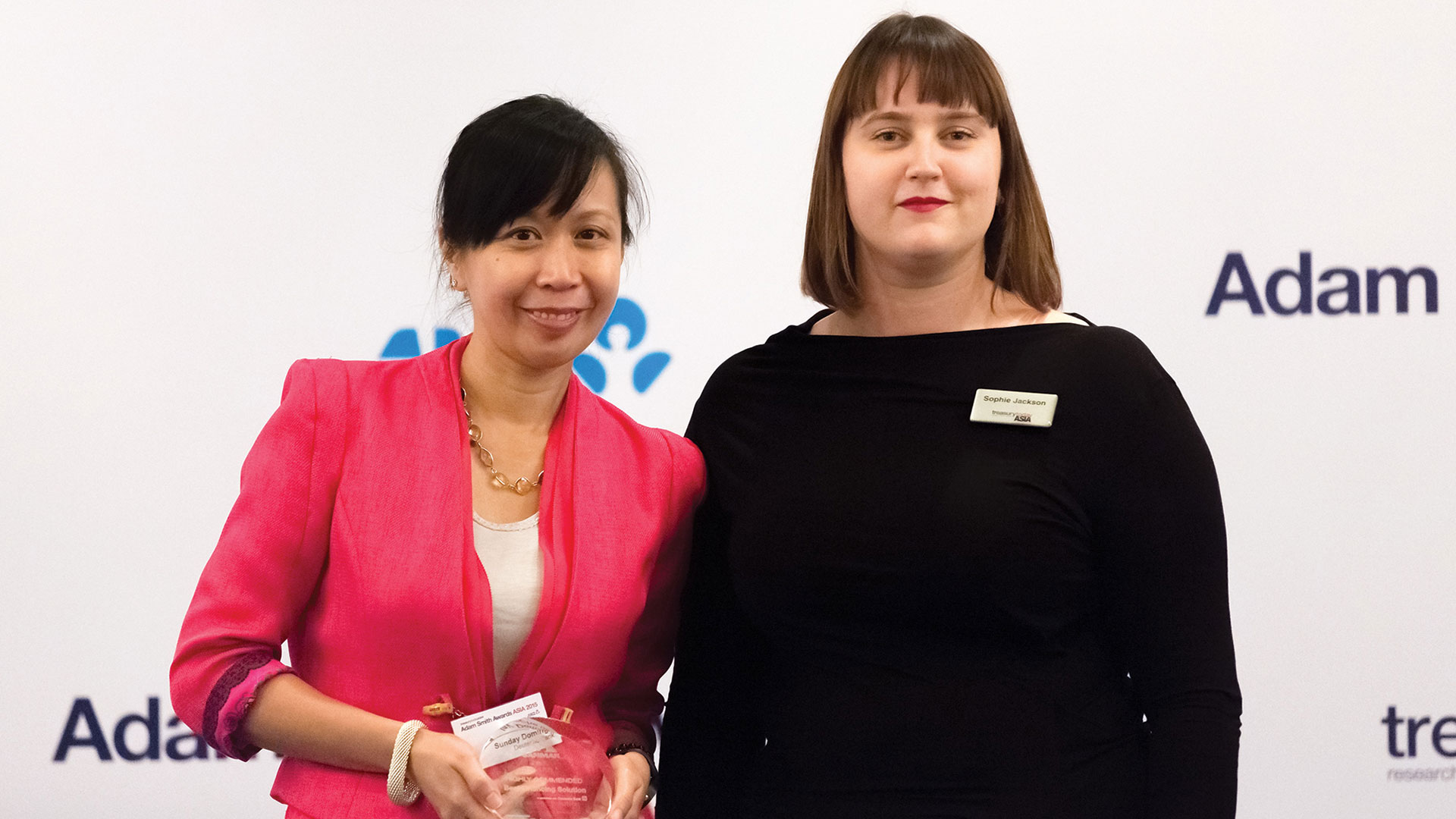
The client requested a US$22m working capital facility. Matrix Metals (MM)LLC, a wholly-owned subsidiary of Sanmar Engineering Technologies Ltd (SETL), has immense supply chain strength on account of its supplies to blue chip companies in the US. Rather than working out a bilateral loan to MM LLC, Deutsche Bank proposed a structure where MM LLC would harness the advantage of forging long-term relationships with these blue chip buyers.
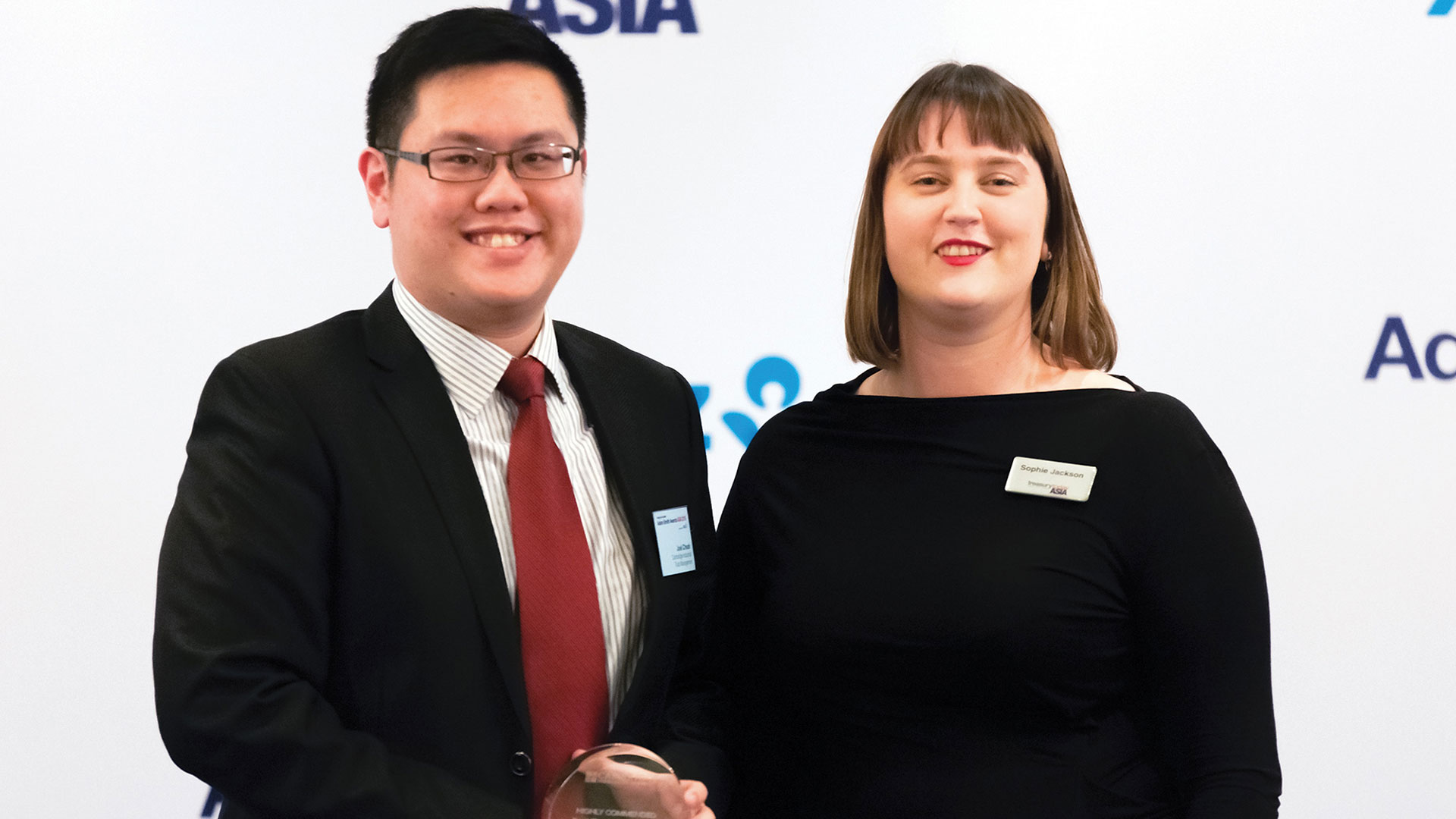
This solution relates to the refinancing of a S$250m Club Loan facility. S&P was convinced on the strategic direction that the Trust was moving towards and provided a provisional credit rating of "BBB-" on the MTN issued by the Trust. This was a significant milestone for the Trust, it was the only BBB-rated industrial Singapore-real-estate investment Trust (S-REIT) who could issue investment grade notes.
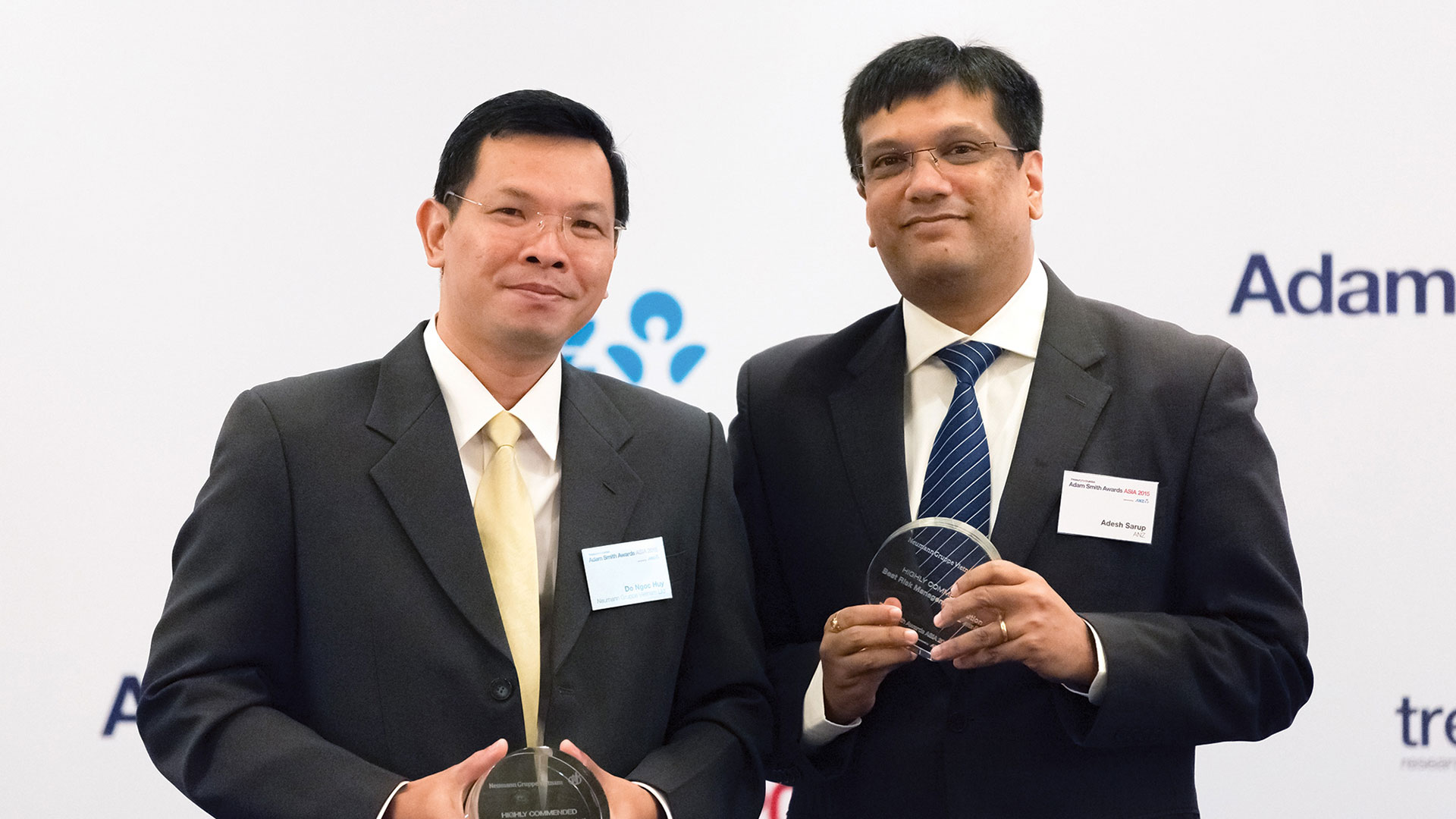
With its bank, ANZ, this company has established a trade finance facility that supports their working capital requirement and gives them more flexibility and positive control over commodity pricing risks, FX risks and interest rate risks. ANZ is providing an in-country source of working capital funding at same day value, compared to intra group funding transferred from Europe at T+1 or T+2 working days.
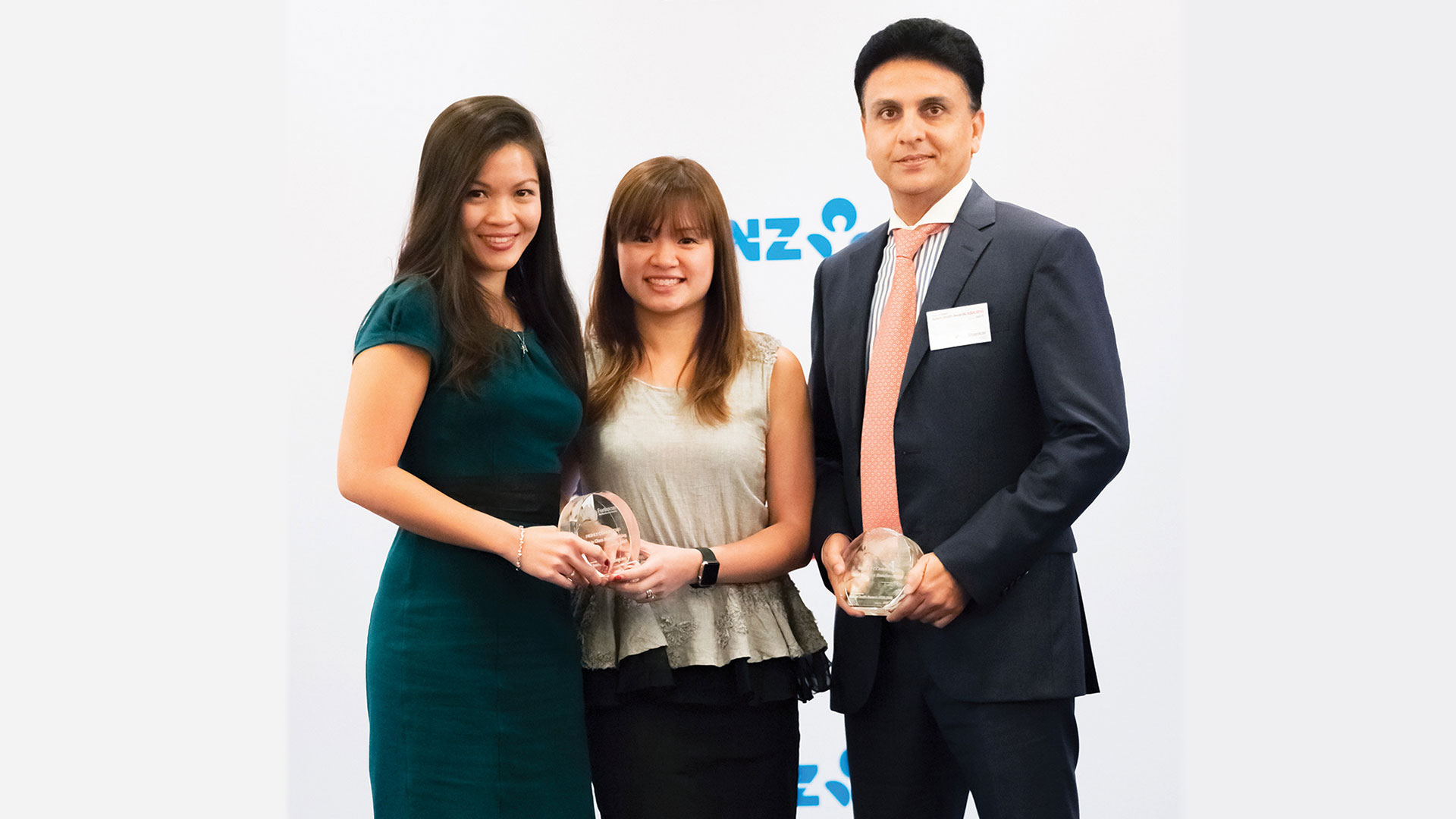
Although this nomination was submitted for Best Cash Management and Best Liquidity Management Solution, given the company incorporated KPIs within its objectives, our judges felt this deserved recognition in the Best in Class Benchmarking category. The selection of banking partner ANZ provided FMG with a comprehensive liquidity management solution which included an account structure with currency centres established in key markets to drive operational efficiencies with the most favourable cut-off times – and deliver the treasury objectives with risk mitigation as an over-arching feature.
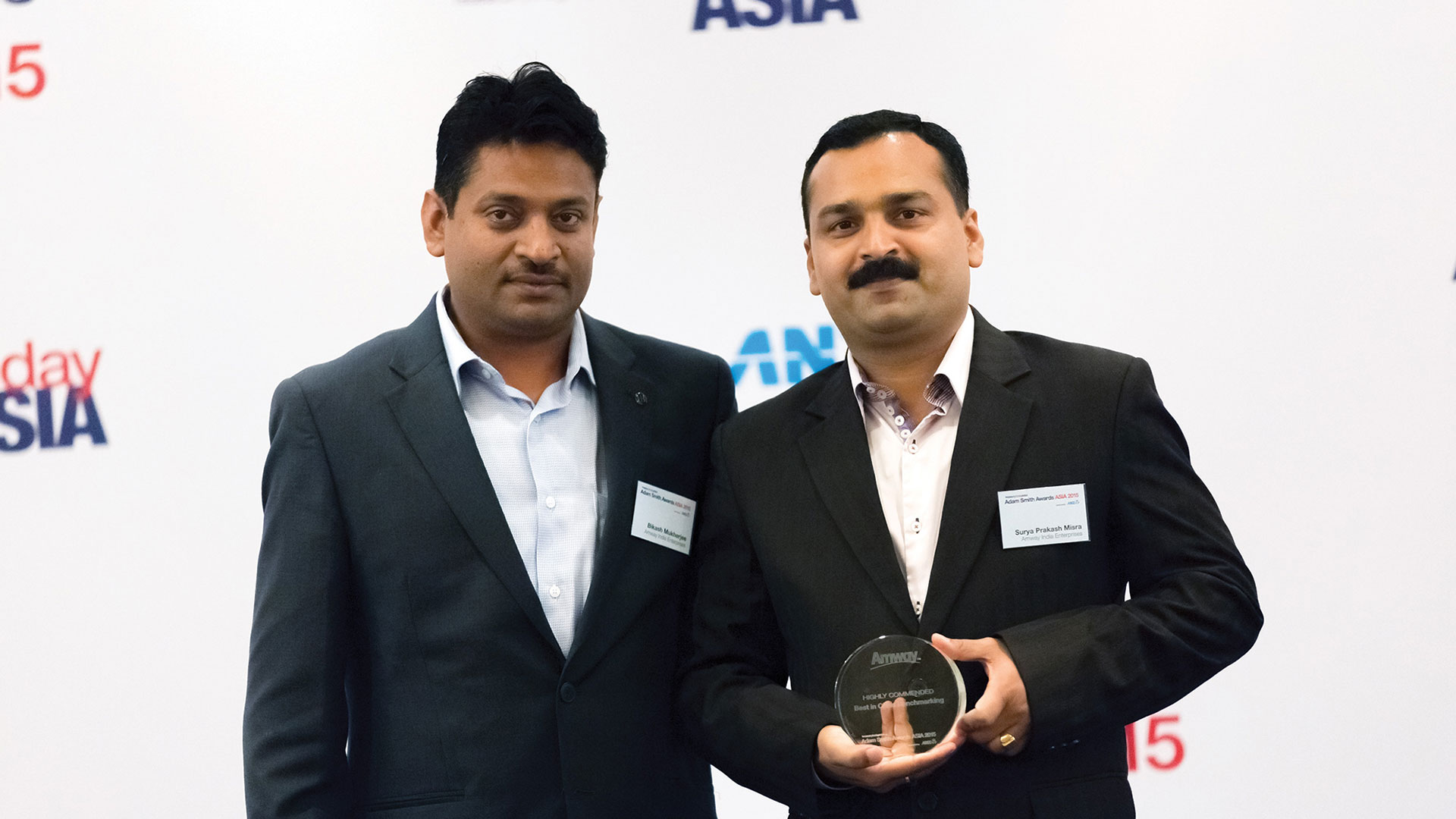
Using in-house IT competency and the latest technology (.net) to integrate with legacy systems, a platform was developed and built to provide a comprehensive treasury solution which covers reconciliation and all standard operating procedures for treasury. The solution has delivered several best-in-class KPI metrics.
Treasury set out to establish a host-to-host connection to J.P. Morgan’s ACCESS Next Generation platform. This included an optimal account and liquidity structure and a dynamic hedging strategy. The solution also incorporates bank-agnostic file formats that use ISO XML, ERP PeopleSoft integration for banking and foreign exchange, mobile banking with on-the-go reporting and payment authorisation and 24/7 web-based enquiry management tool.
This solution shows how Charter Hall centralised its entire treasury function using a single TMS as the king-pin for the restructure with some impressive benefits.
Treasury needed a robust, scalable and globally accessible system capable of handling inherent complexity. Its first priority was to deliver timely and accurate reporting for its debt instruments, in compliance with the Chinese Basic Standard for Enterprise Internal Control (C-Sox). ‘Four-eyes’ controls, segregation of duties and audit trails over this critical data were essential. The company chose Reval to deliver the solution.
The decision was made to implement the global supply chain finance programme to drive working capital efficiency. In partnership with Citi, the multi-year project was first implemented in Thailand in 2015. Another eight countries in Asia – China, Hong Kong, Japan, Indonesia, Malaysia, the Philippines, Taiwan and Vietnam – are expected to join the next phase of the ambitious scheme, to be followed by EMEA and North America.
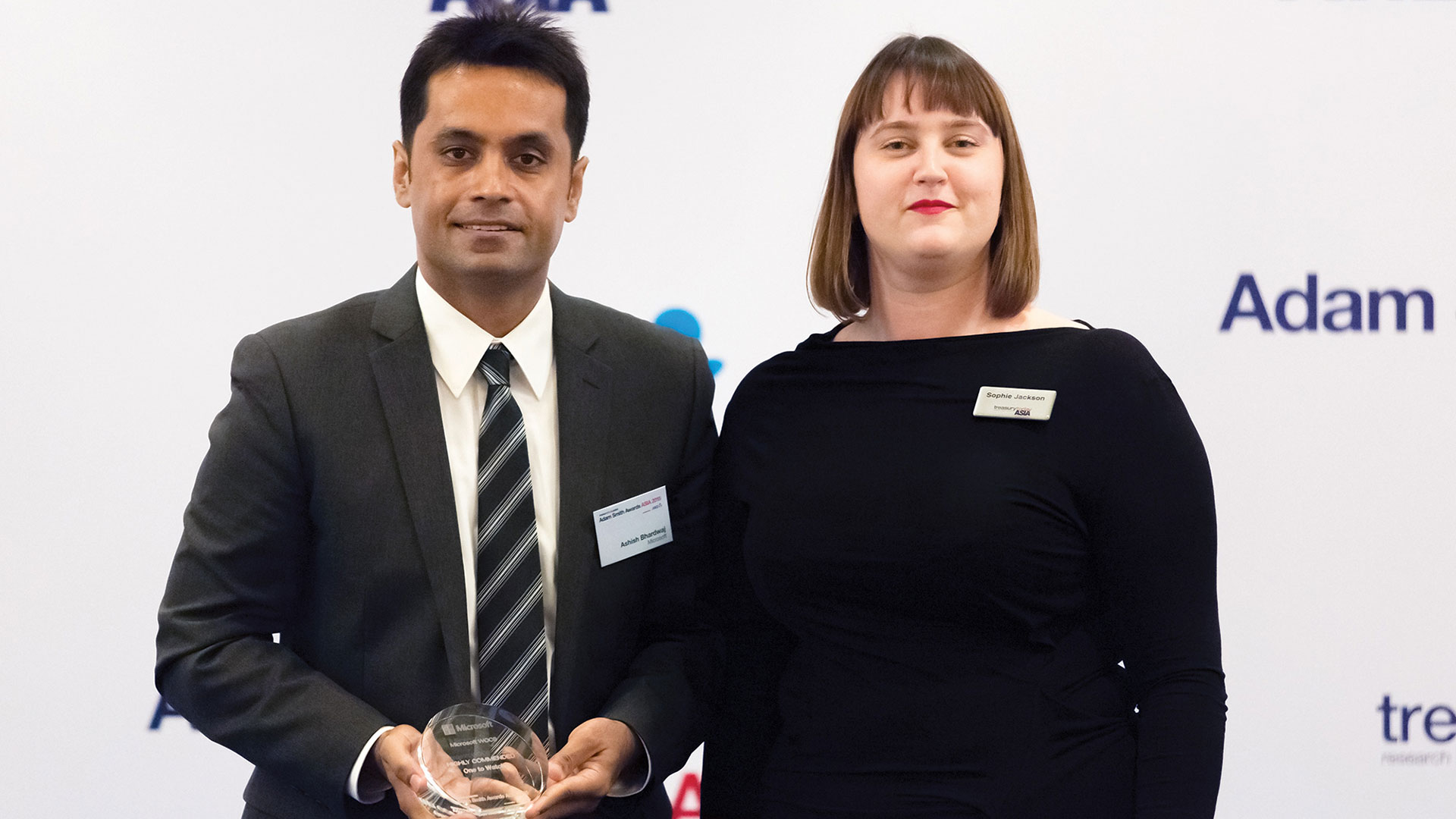
China is an extremely important market for Microsoft. With 1.35bn potential consumers and hundreds of thousands of SMEs, it is critical that the company establishes the infrastructure necessary to service this market. Read how Microsoft created solutions that are unique, supported by scalable business processes that enabled a higher revenue growth, minimised risk and higher cash collection.
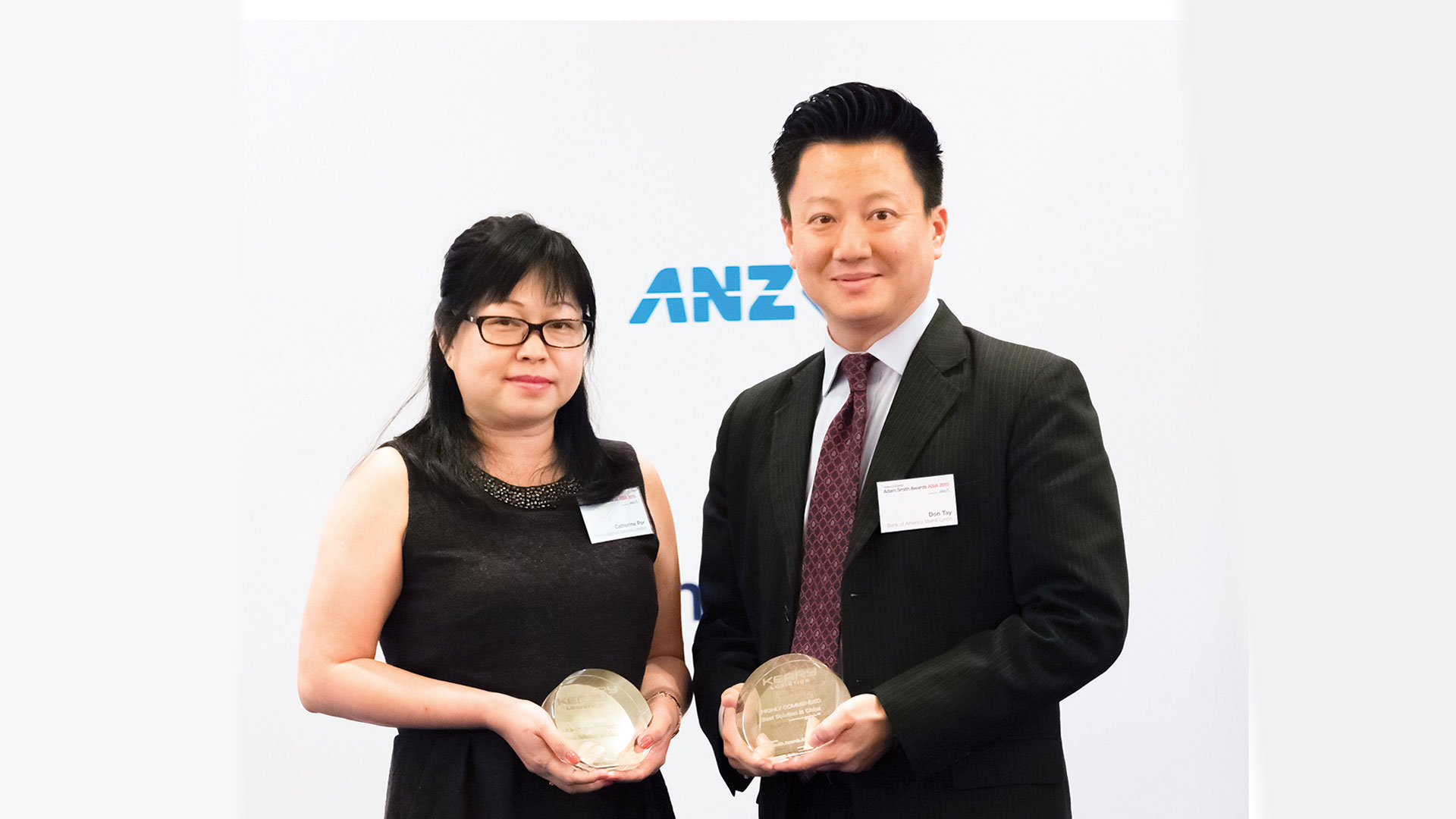
Kerry Logistics appointed Bank of America Merrill Lynch to provide a tailored USD cross-border sweeping and netting solution. The solution was implemented using Six Sigma methodology for the USD cross-border cash pool and incorporates a robust e-banking platform which provides visibility and control over the company’s subsidiaries around the world. It also includes scalable cash management solutions for the company’s operations in Asia, EMEA and Latin America.
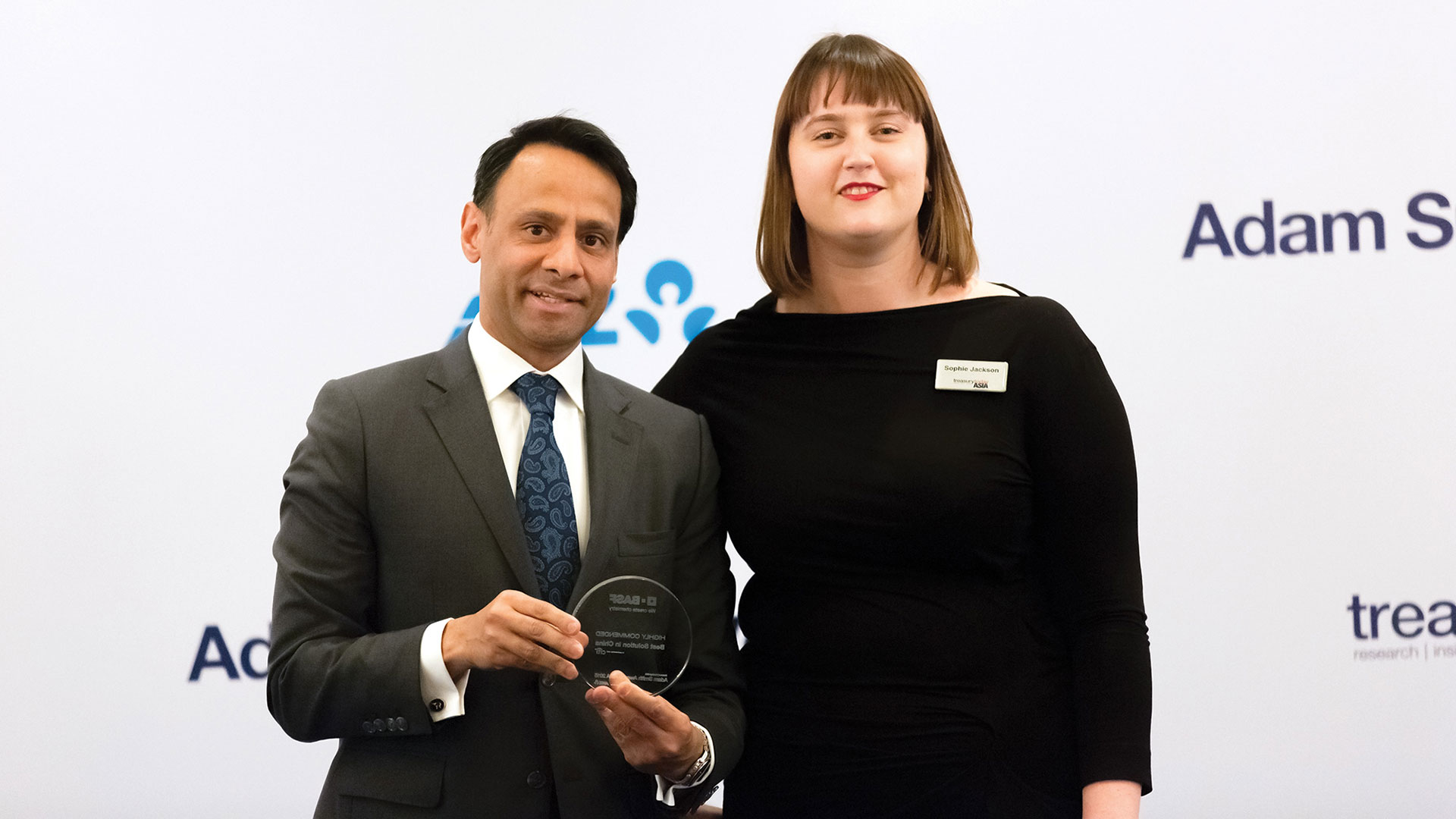
Before this solution was implemented, BASF’s 44 majority-owned subsidiaries in China did not have a centralised foreign currency liquidity management structure. The multinational was nominated by SAFE’s Head Office to participate in China’s Nationwide Pilot Programme for foreign currency cross-border pooling, POBO/COBO and netting. BASF was the first company in China with approval to pilot a comprehensive solution with its banking partner, Citi.