Adam Smith Awards 2010 winners
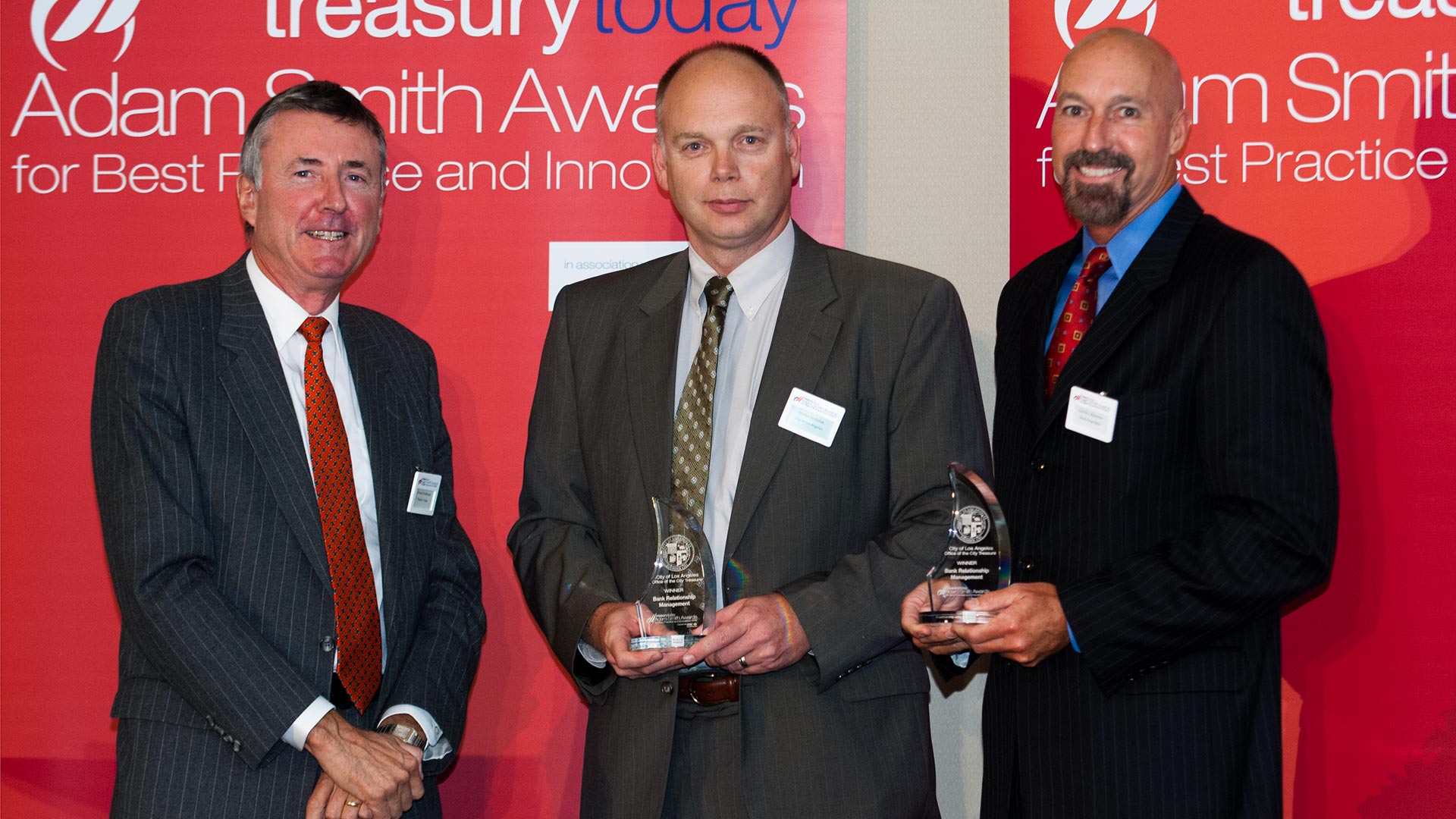
“The primary problem facing treasury was to bring the City 30 years forward and create an electronic financial processing environment to maximise efficiencies, enhance governance through transparency, optimise best in class technology, and focus on leading practices along the way,” says Stefan Jaskulak, Director of Cash Management Services, City of Los Angeles Treasurer’s Office.
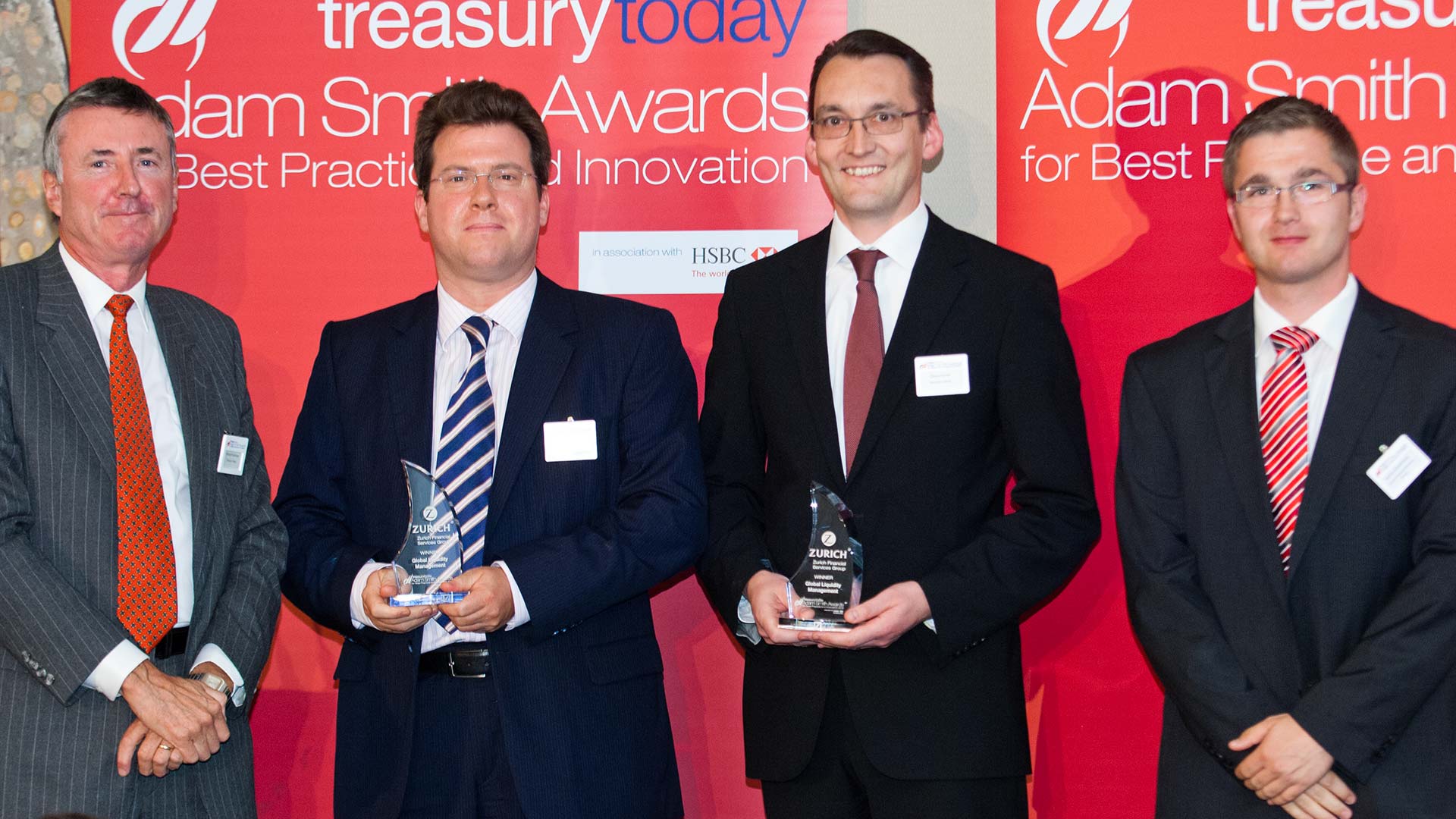
Group companies across the Zurich Financial Services Group (Zurich) hold large amounts in operational cash; dispersed over dozens of mostly regulated balance sheets. Traditional liquidity management techniques can only partially be used for regulated funds, as inter-company positions as well as cross guarantees and pledges are restricted.
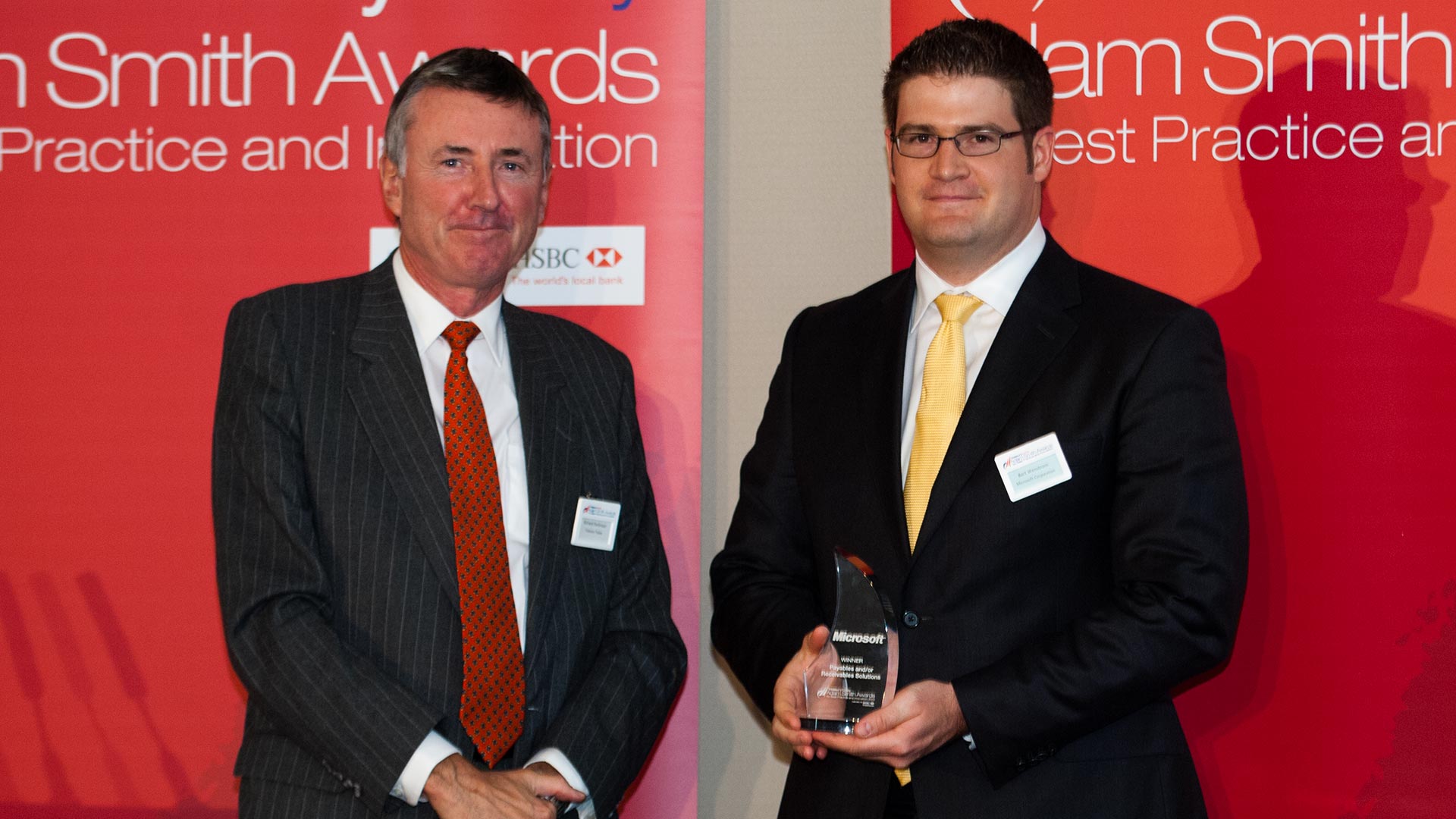
The EMEA region of Microsoft’s advertising credit and collections group was dealing with a significant challenge. Account receivables (AR) in EMEA represent 35% of the total AR for Microsoft advertising worldwide and comprises approximately 43% of the agencies worldwide and 51% of the direct advertisers worldwide that Microsoft advertising does business with.
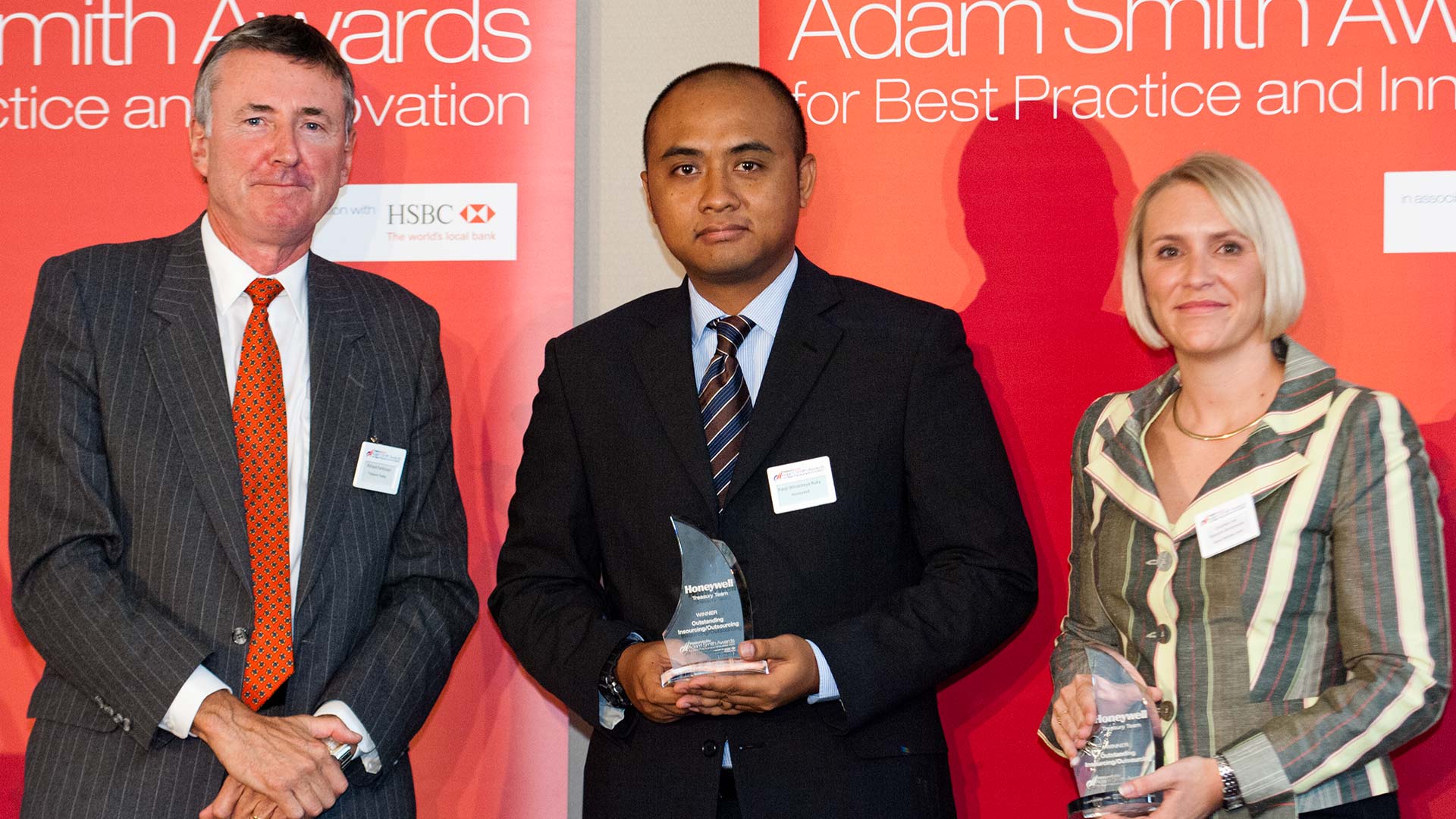
Honeywell’s corporate treasury calculated that the company issues almost 4,000 inter-company invoices with approximate gross values of $800m monthly. Such inter-company trade volume required thousands of fund transfers amongst the business units.

With the majority of Honeywell’s employees located outside the United States and more than 40,000 employees travelling and/or entertaining (T&E) globally as part of their job responsibilities, it is critically important for these employees to have a convenient and cost effective mechanism to pay for their T&E expenses. For over two decades, Honeywell had been utilising a single provider for all of its T&E credit card business globally, excluding China.
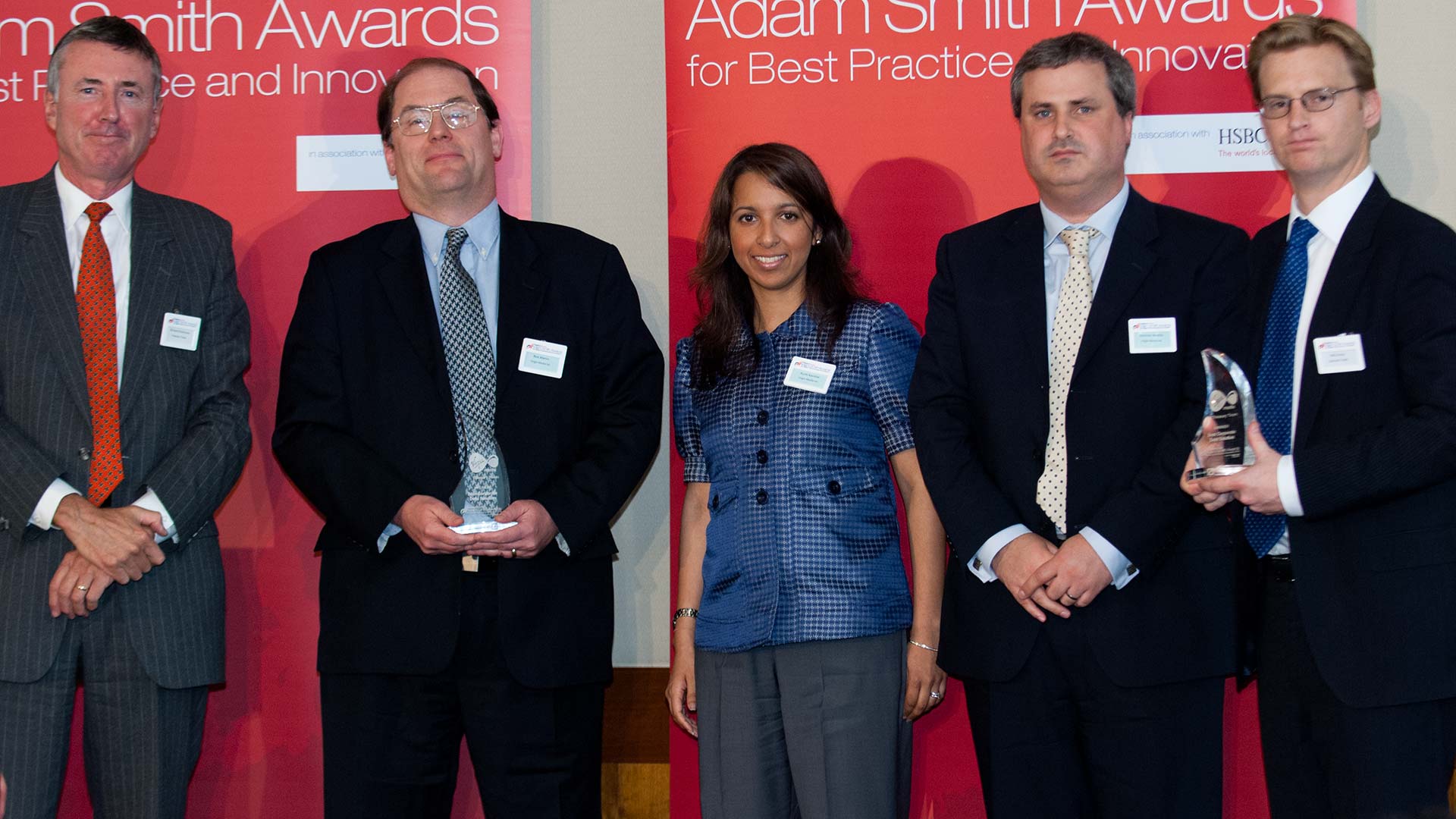
In 2007, Virgin Media had a large refinancing project ahead of it. As Rick Martin, Director of Investor Relations and Treasury at Virgin Media, explains, “As of Q1 2007, we faced £4.8 billion of debt due before the end of 2012, with a weighted average maturity (WAM) of 4.4 years and weighted average cost of debt (WACD) of 7.8%. Our net leverage was 4.7 times EBITDA, and 2007-09 bank amortisation alone was 5.3 times 2007 free cash flow.”
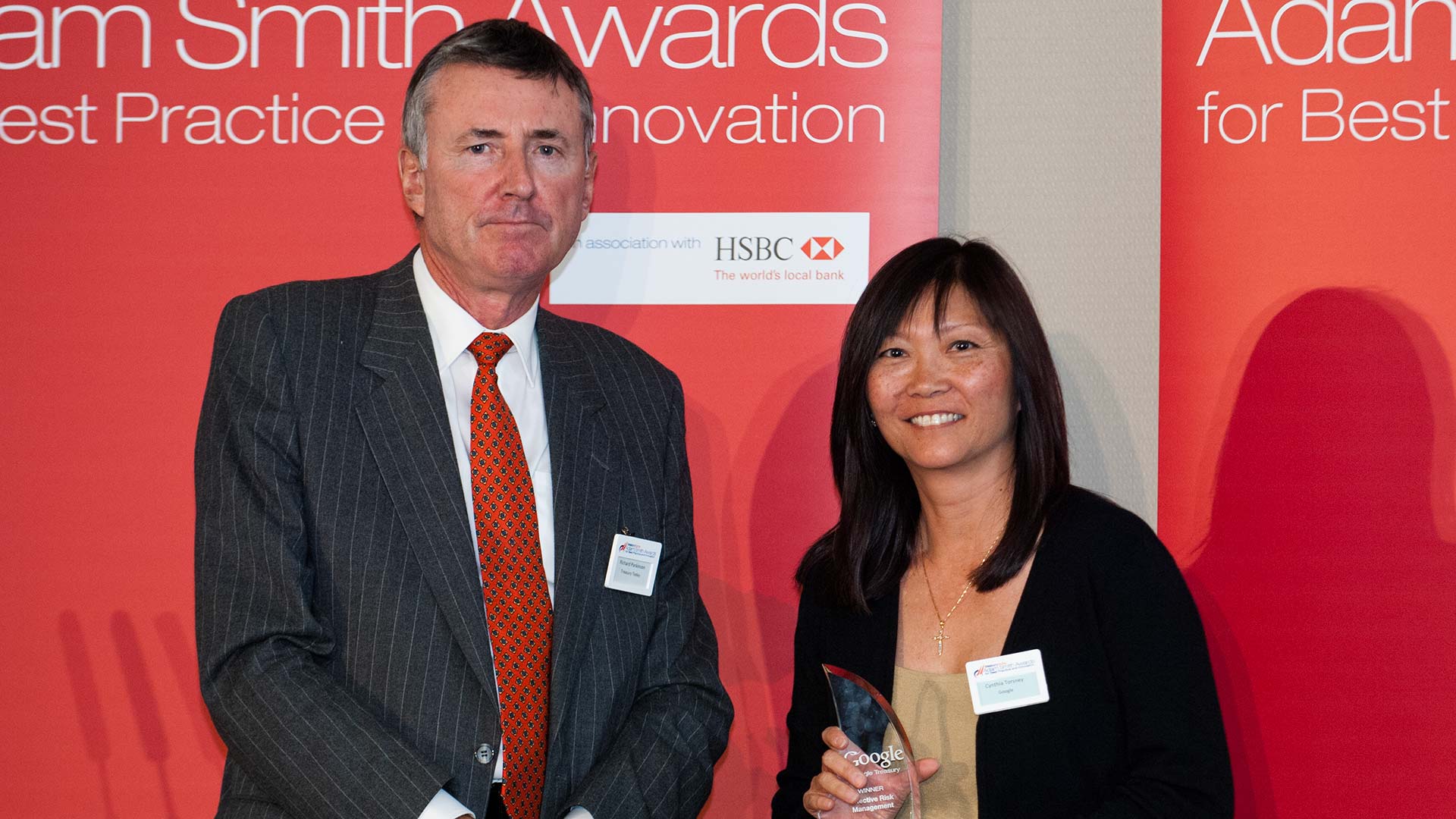
In 2008, Google established a foreign exchange (FX) cash flow hedging programme to mitigate FX volatility on the income statement. The cash flow hedge programme primarily comprises a portfolio of options to hedge euro, sterling, and canadian dollar exposures. When the financial crisis hit in late 2008, FX volatility soared and the cost of options increased significantly. In 2009, faced with the increasing costs of hedging with an options portfolio and a weaker dollar resulting in more options expiring out-of-the-money, it became clear that Google needed a new approach to measure the performance of its hedging programme.
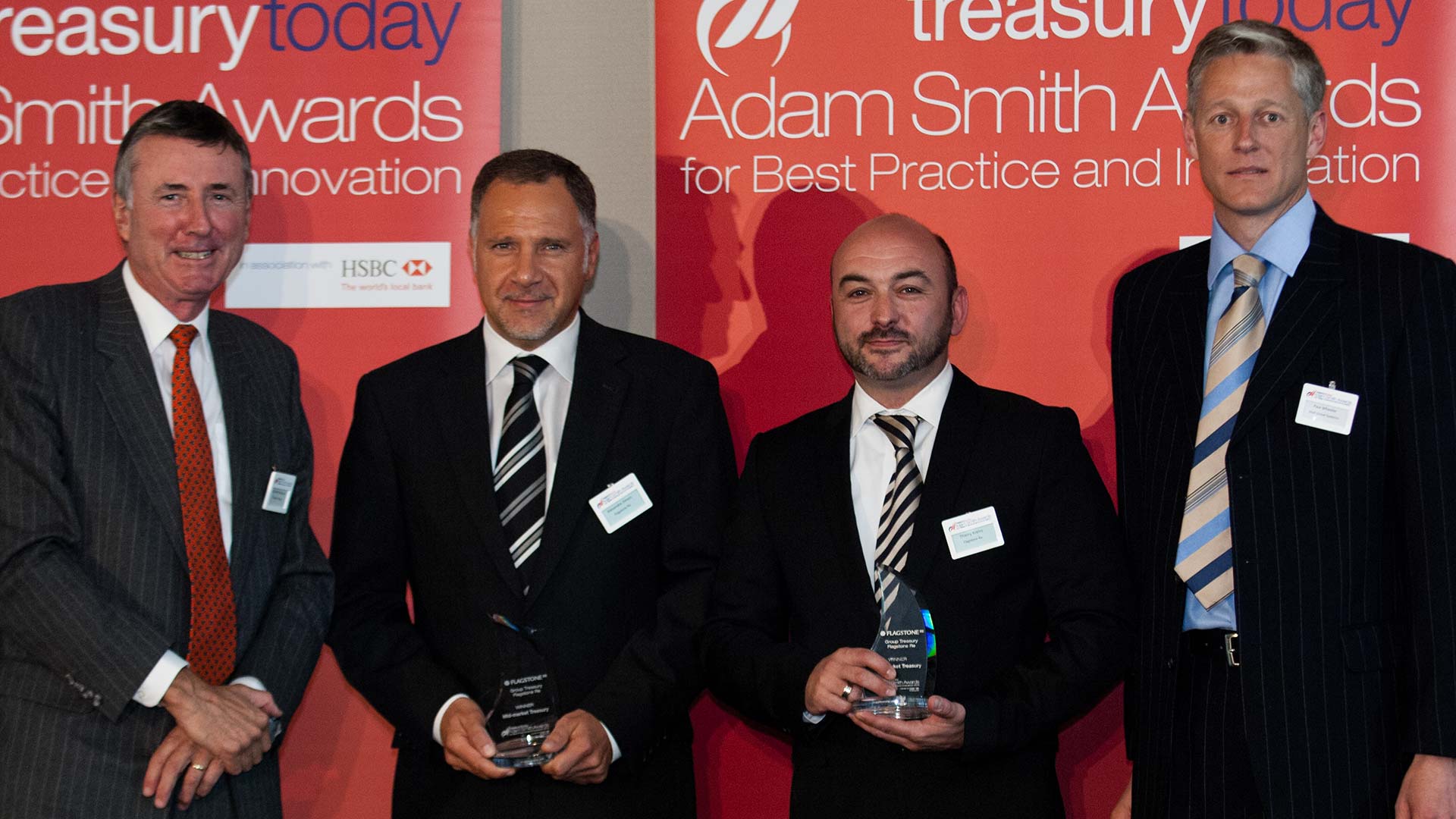
This is an elegant solution involving a ‘Software as a Solution’ (SaaS) approach with secure implementation across multiple regulatory jurisdictions achieved in less than 100 days. “The objective,“ as Alexandre Simon, Group Treasurer, Flagstone Re, describes, “was to abolish bureaucracy and reduce the time taken to access treasury information by simplifying complex treasury processes.”
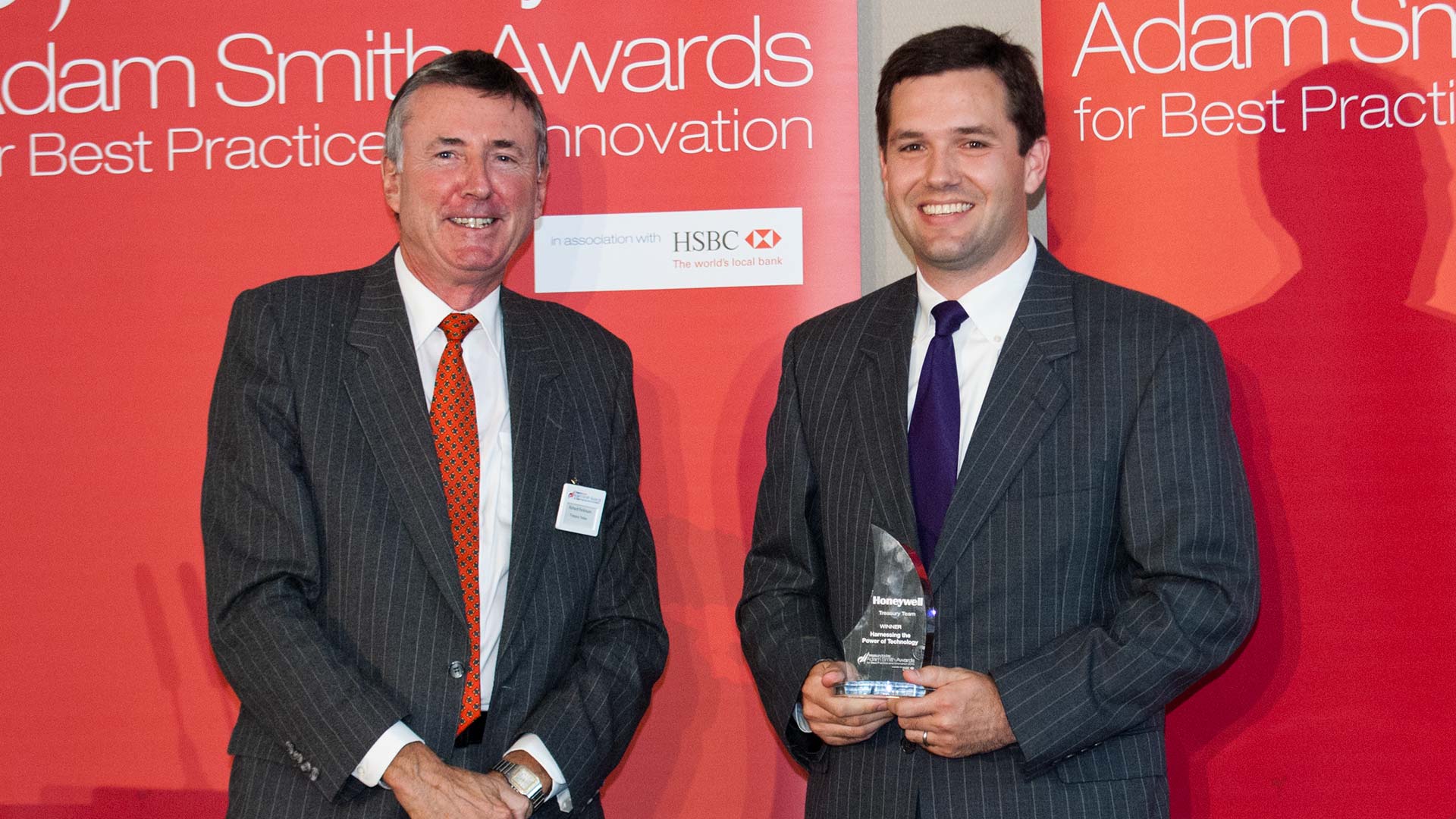
Honeywell’s Treasury is responsible for managing the company’s global foreign exchange risk. Honeywell’s large international footprint and global operations result in hundreds of business entities located in numerous countries around the world. Foreign exchange (FX) exposures are created through the normal course of business operations and are managed by individual legal entities.
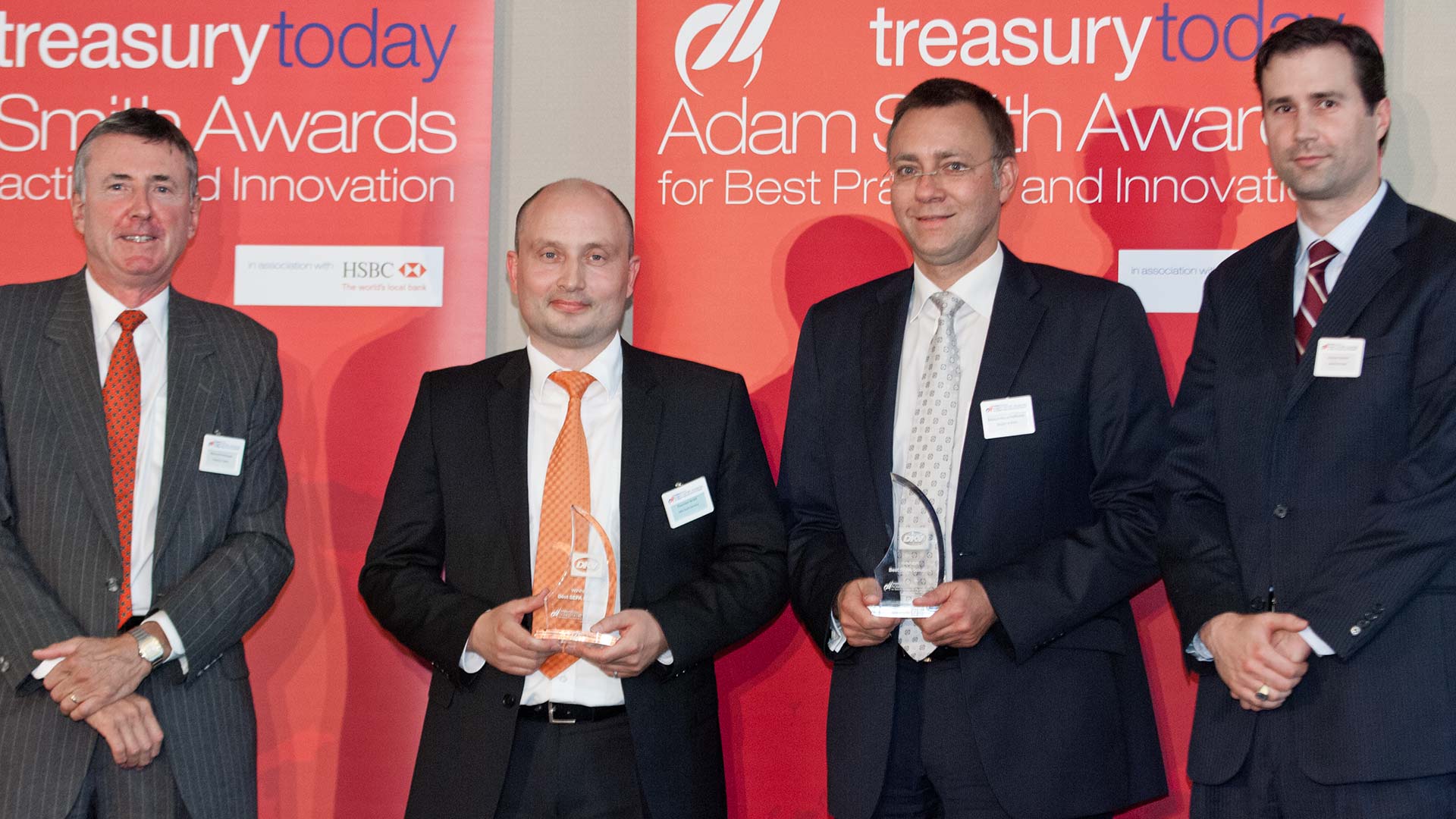
Due to the nature of its business, DKV traditionally used direct debits as an important collection mechanism in various countries.
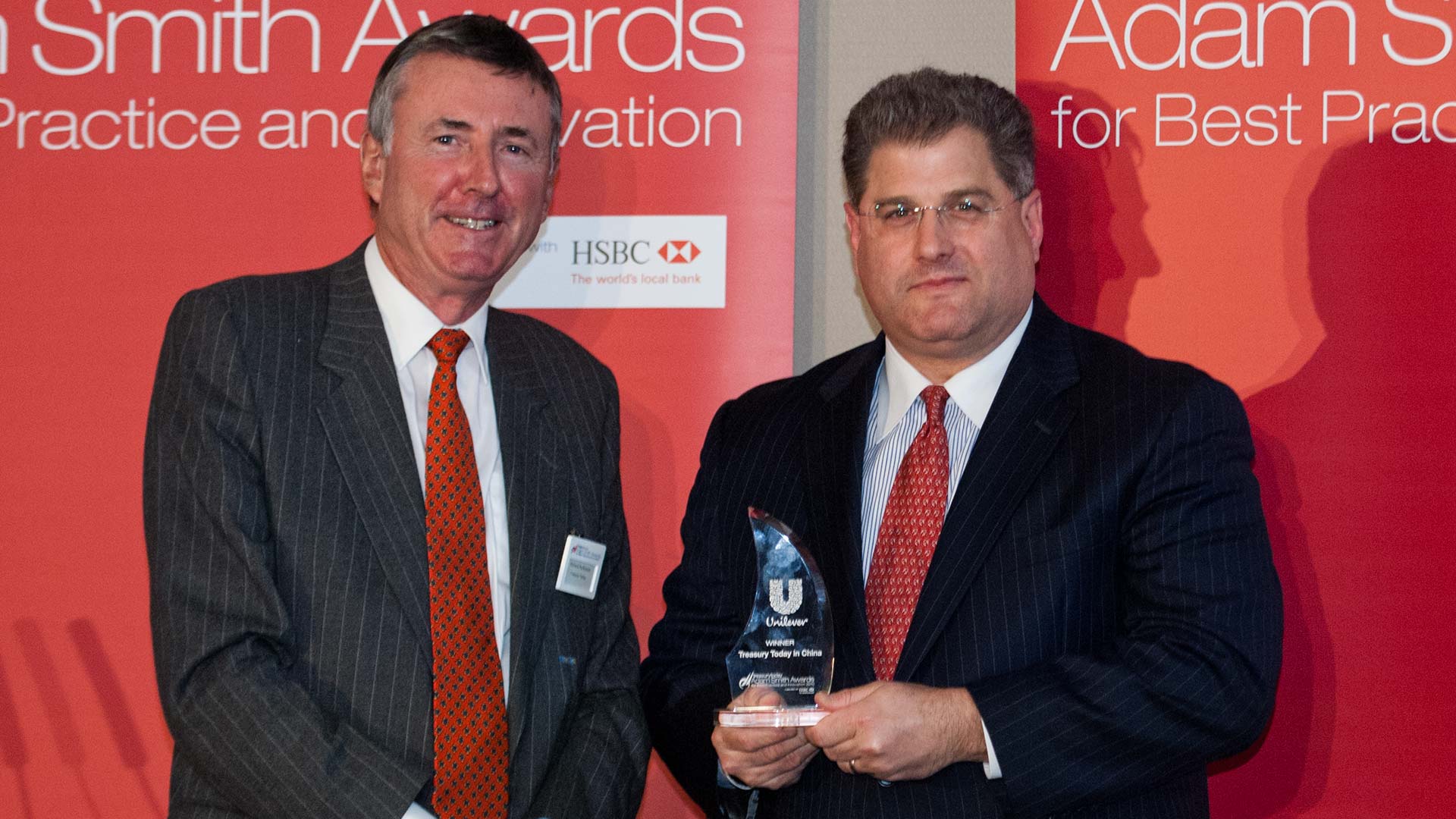
Unilever (China) was looking to partner with a bank to implement a supplier finance solution. Unilever wanted the solution to be attractive from both an economic and operational point of view for Unilever (China) and its suppliers.
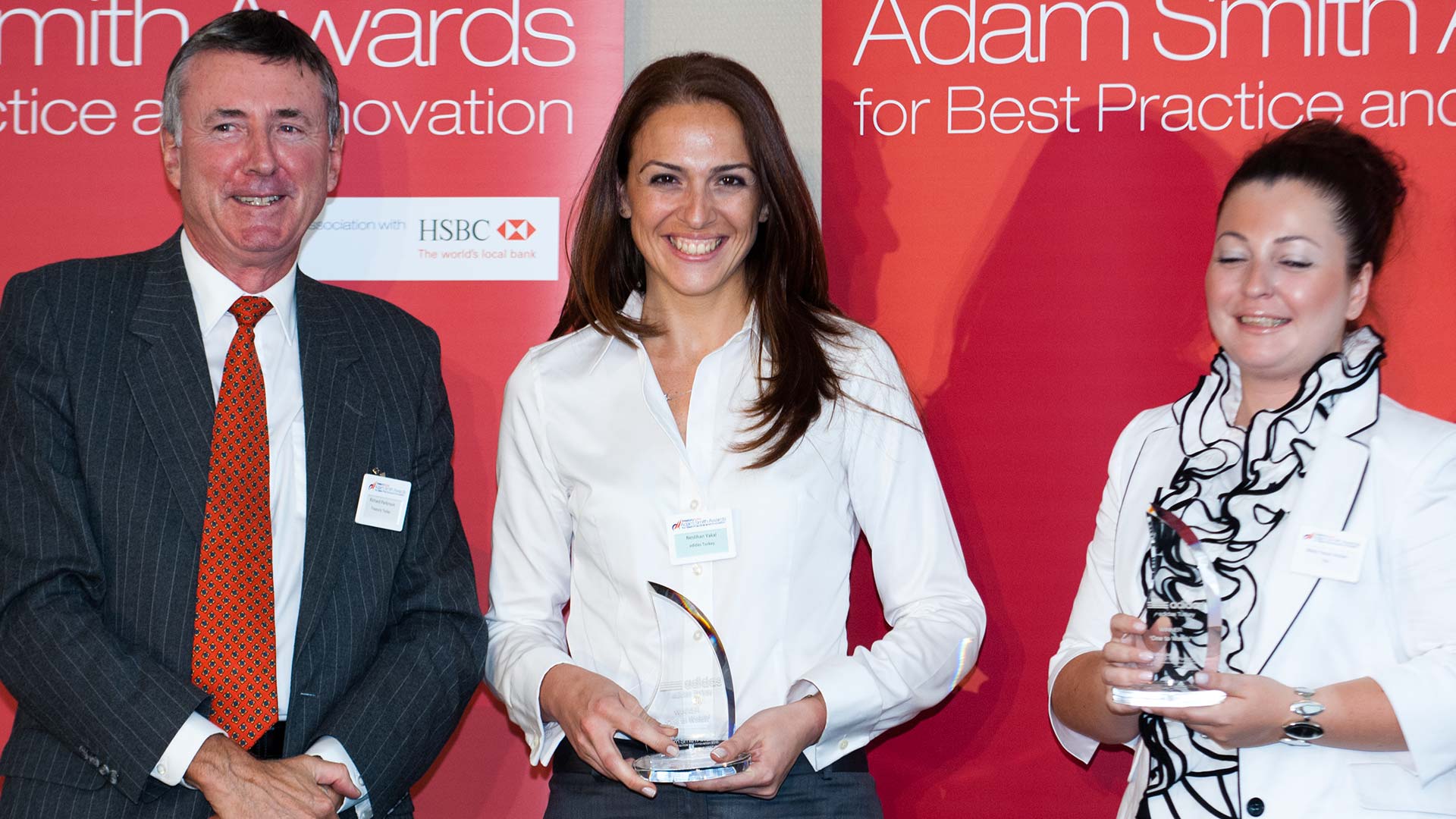
This solution, deployed by adidas in Turkey, is a mobile instruction workflow portal system. Mobil-ink, as it is known, has been designed to cover all of the different banking instructions used by adidas Turkey.
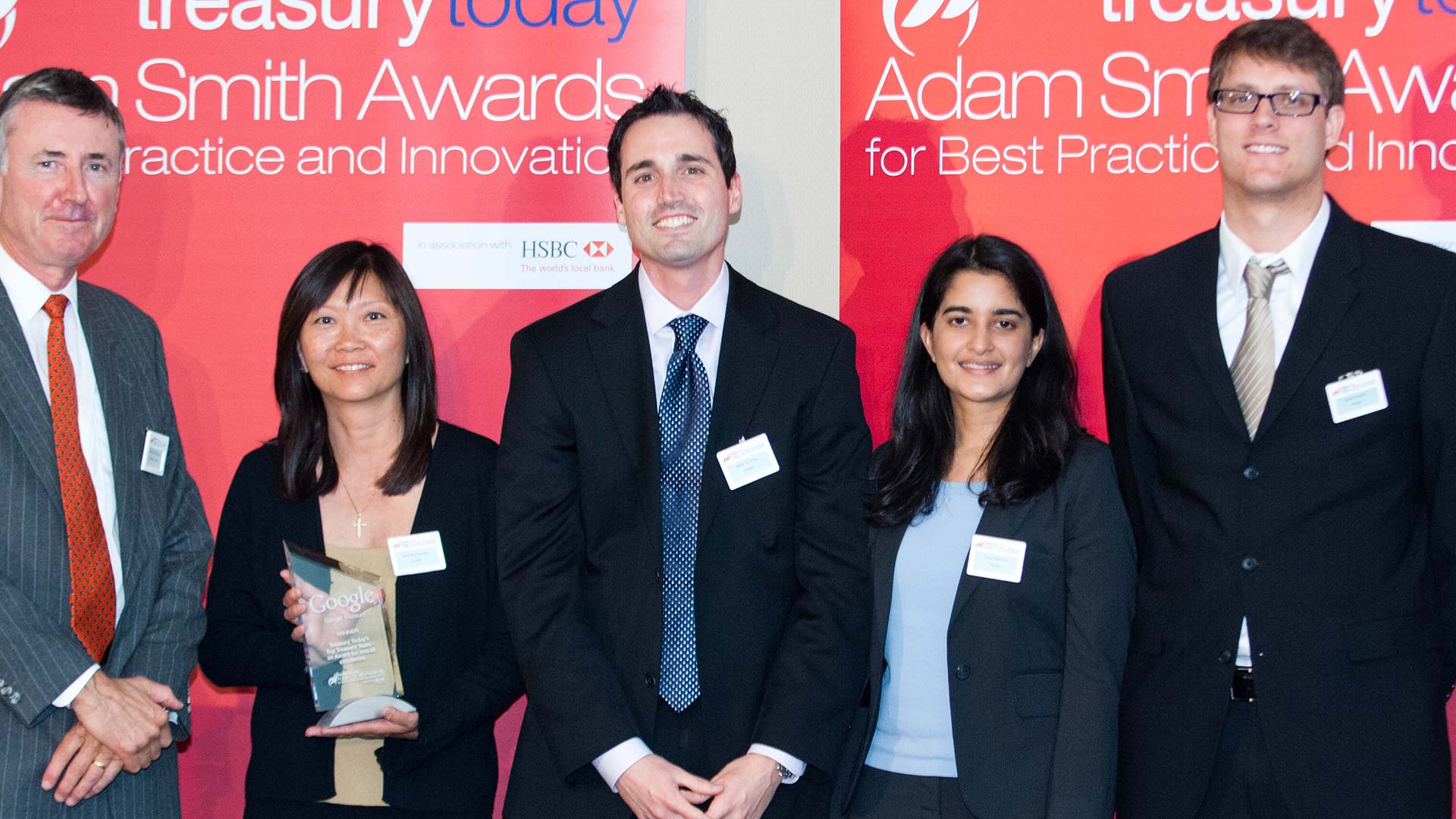
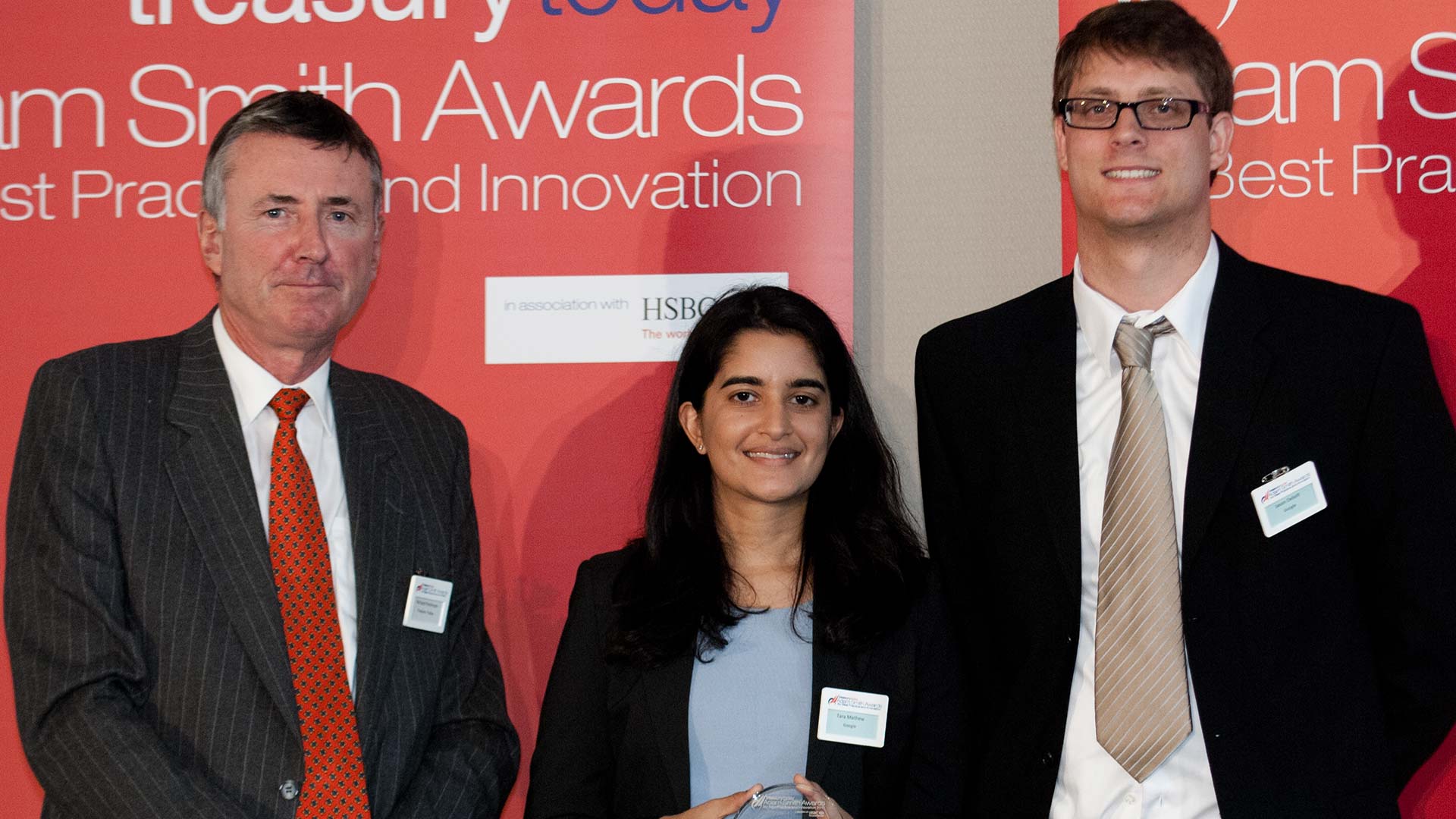
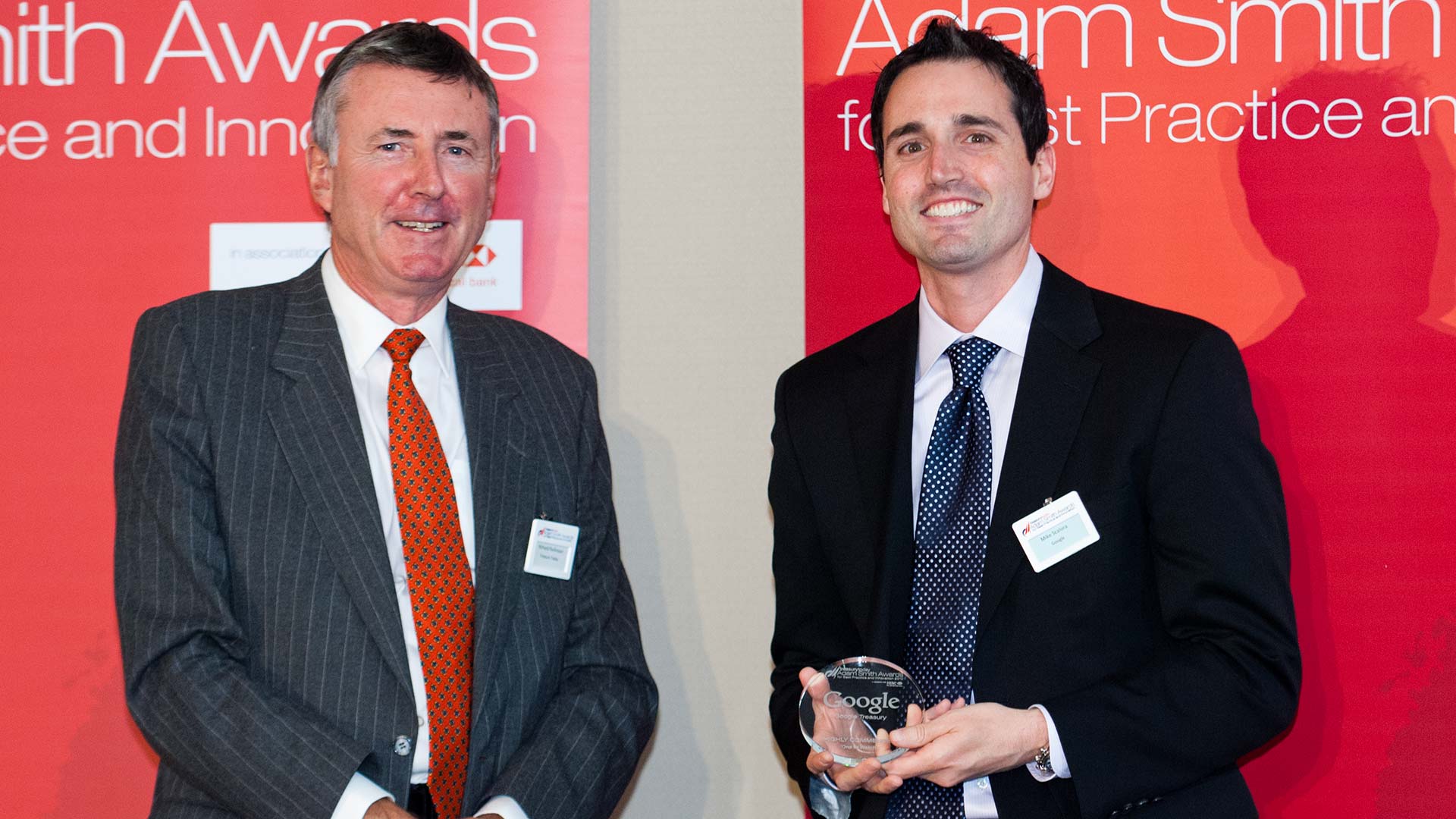
This year’s Top Treasury Team Award goes to the treasury team at Google. They have quite simply set the benchmark for best practice and, especially, innovation with the projects they have implemented, or are in the process of implementing.
Given the tough crisis trading conditions, the management of Atasay decided that the company should be offering some advantages to the jewellers who sell the Atasay brand (retail dealers and sales points). The company’s vision was to provide added value to Atasay’s partners and the jewellery sector as a whole.
EDF has a centralised treasury that deals with several hundred bank accounts, held with 15 banks. EDF faces frequent internal organisational changes that impact bank mandates and this was creating a significant workload from both the corporate and bank point of view.
Over the past few years, Firmenich’s treasury had undertaken a great deal of work to centralise its euro flows via a cash concentration and pooling structure. A multi-currency inter-company invoice netting system had also been deployed realising considerable benefits.
Indesit was in search of an enhanced cash management platform from which to strategically run the company’s entire cash management process for improved financial performance. Due to Indesit’s large geographical footprint however, the company encountered some challenges, as Mustafa Kiliç, Treasury Manager, explains, “It is not feasible to have one approach for all countries when it comes to cash and liquidity management due to different rules and regulations in each country. In complex environments, cross-border movements and the ability to hold offshore and foreign currency accounts are highly regulated.”
At the height of the economic crisis, it was critical for Philips’ suppliers to have access to funding to ensure the continuity of supplies to the company, thereby reducing Philips’ risk exposure. The company therefore launched a supplier financing programme, which presented an opportunity for Philips to address its working capital needs at the same time.
P&G Global Business Services (GBS) and Citi worked together on a breakthrough working capital management project called ‘Regional Interest Optimisation’ that was able to look beyond country relationships and recognise the broader scope of the partnership across the region. The team started by looking at overall regional balances being maintained by P&G with Citi and comparing market pricing that P&G was getting for investments via manual placement.
Omnicom Group agencies operate autonomously, processing their own receivables, payables, and related receipts and disbursements through separate bank accounts at OGI’s relationship banks. The US agencies receive approximately 120,000 cheques and 32,400 electronic payments from their clients annually, with a value of approximately $15.6 billion.
Judy Bouchard, Banking Coordinator of Corporate Treasury, explains the company’s challenge: “We identified the need to centralise and standardise the cash and banking activities for our business units in EMEA. We determined that significant opportunities were needed to improve efficiencies while reducing risk, as well as to standardise processes and tools.”
In its 2009 Annual Report, Google stated that it had amassed $24.5 billion in cash and marketable securities, only five years after going public in 2004. During the financial crisis of 2008-2009, yields on these cash balances dropped below 1.0% as interest rates plummeted.
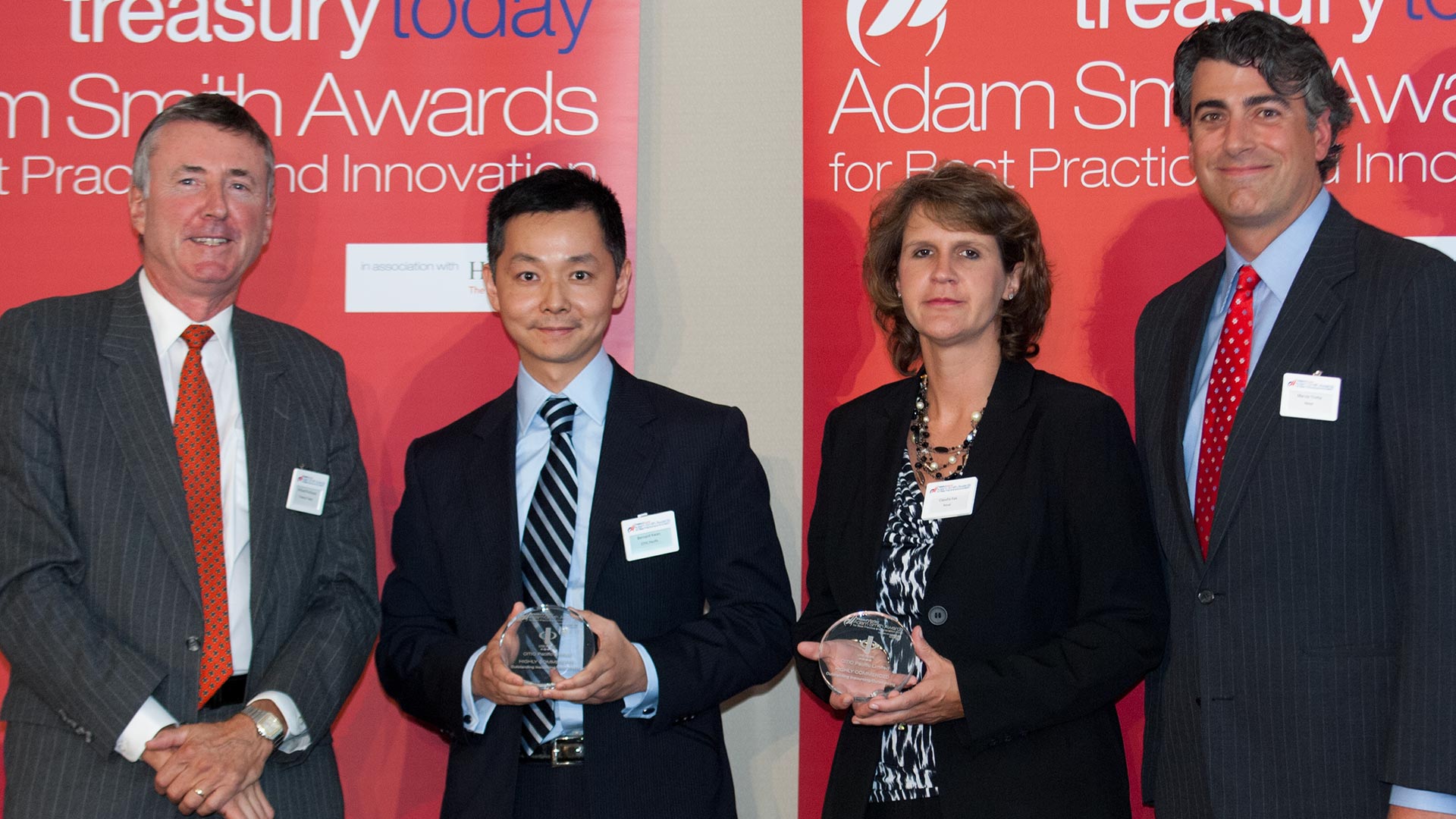
Over the years, CITIC Pacific had to depend on banks’ valuations for derivative instruments purchased for hedging its currency and interest rate risks. However, this posed a difficulty for the company in determining whether any of these were mispriced, also there was always an inherent risk of conflict of interest as the bank valuing the derivatives was also the party that had sold them to the company. CITIC Pacific had all along conducted its testing of hedge effectiveness on a manual basis, using spreadsheets with their inherent risk of error.
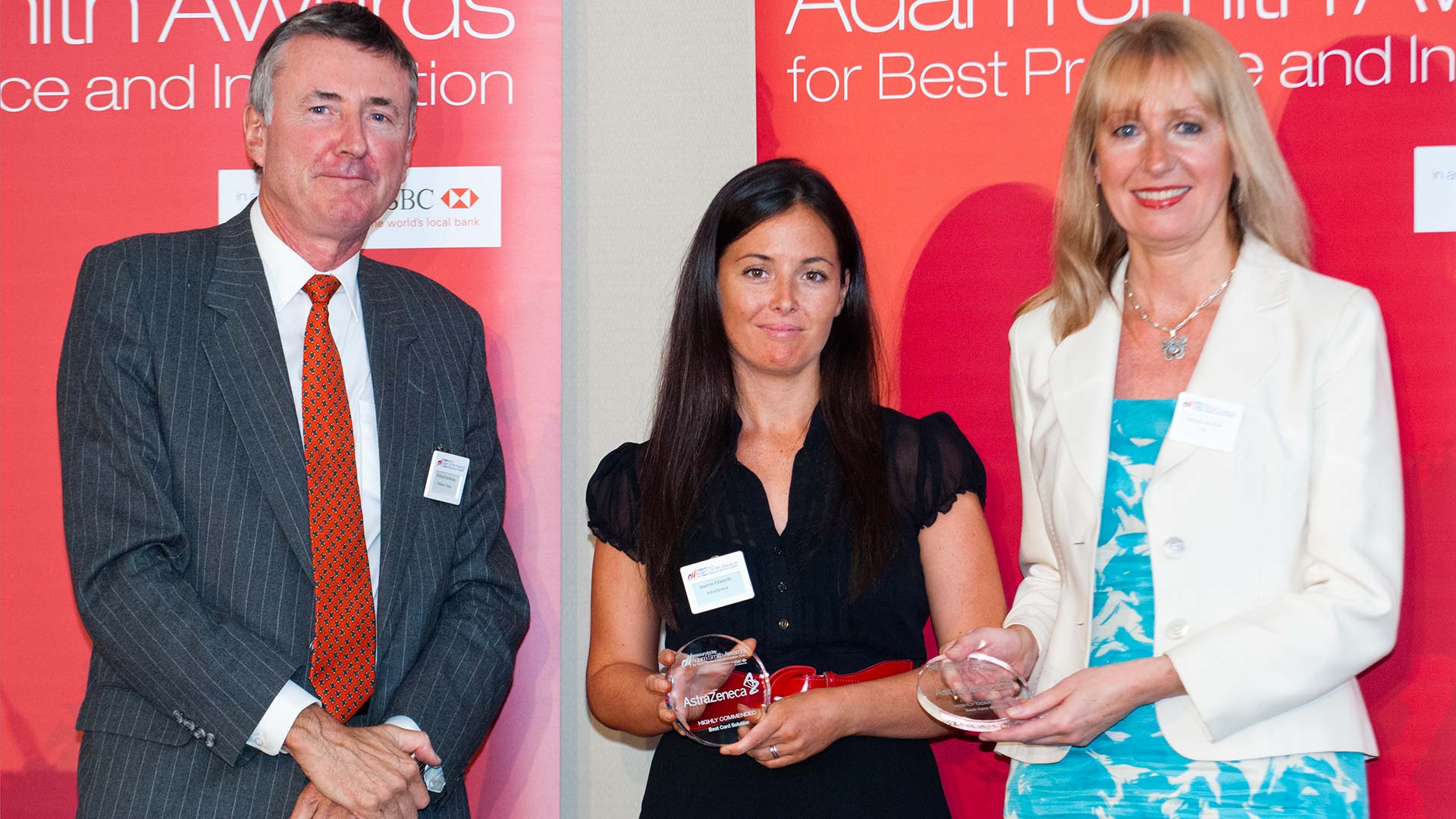
In 2004, AstraZeneca was working with multiple card providers and had no standard expense management system. Consequently, the company required a high number of full-time equivalent resources to manage travel and expenses (T&E) and suffered from a lack of visibility. In addition, AstraZeneca’s compliance tracking was weak and its supplier usage tracking was limited. The company decided it needed a single T&E card programme across the 15 European countries financed out of its regional hub plus the UK and Switzerland.
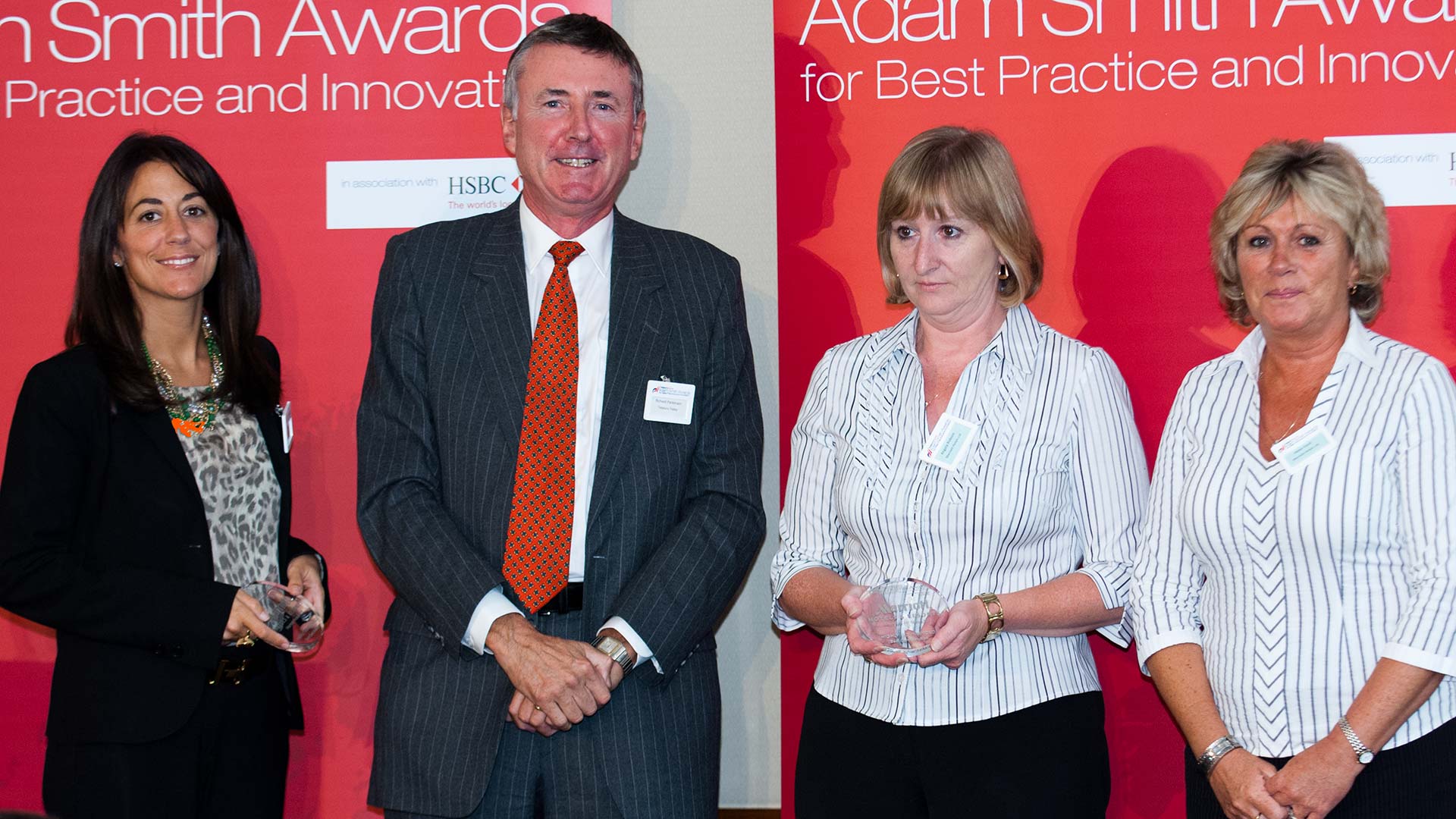
During 2009, Marriott Hotels implemented both purchasing and travel card solutions across their UK hotels and regional offices, totalling approximately 1,000 cards. The company had an aggressive deadline for the travel card implementation, which had to be achieved without any detrimental effect to the business and its associates.

Having refinanced the bulk of its bank debt in 2008, Logica was faced with the task of completing the refinancing process. The company’s objective was to complete its refinancing without requesting extensions to existing bank facilities. In early 2009, as an unrated company, this was a challenge that needed creative thought by the company and its relationship banks.
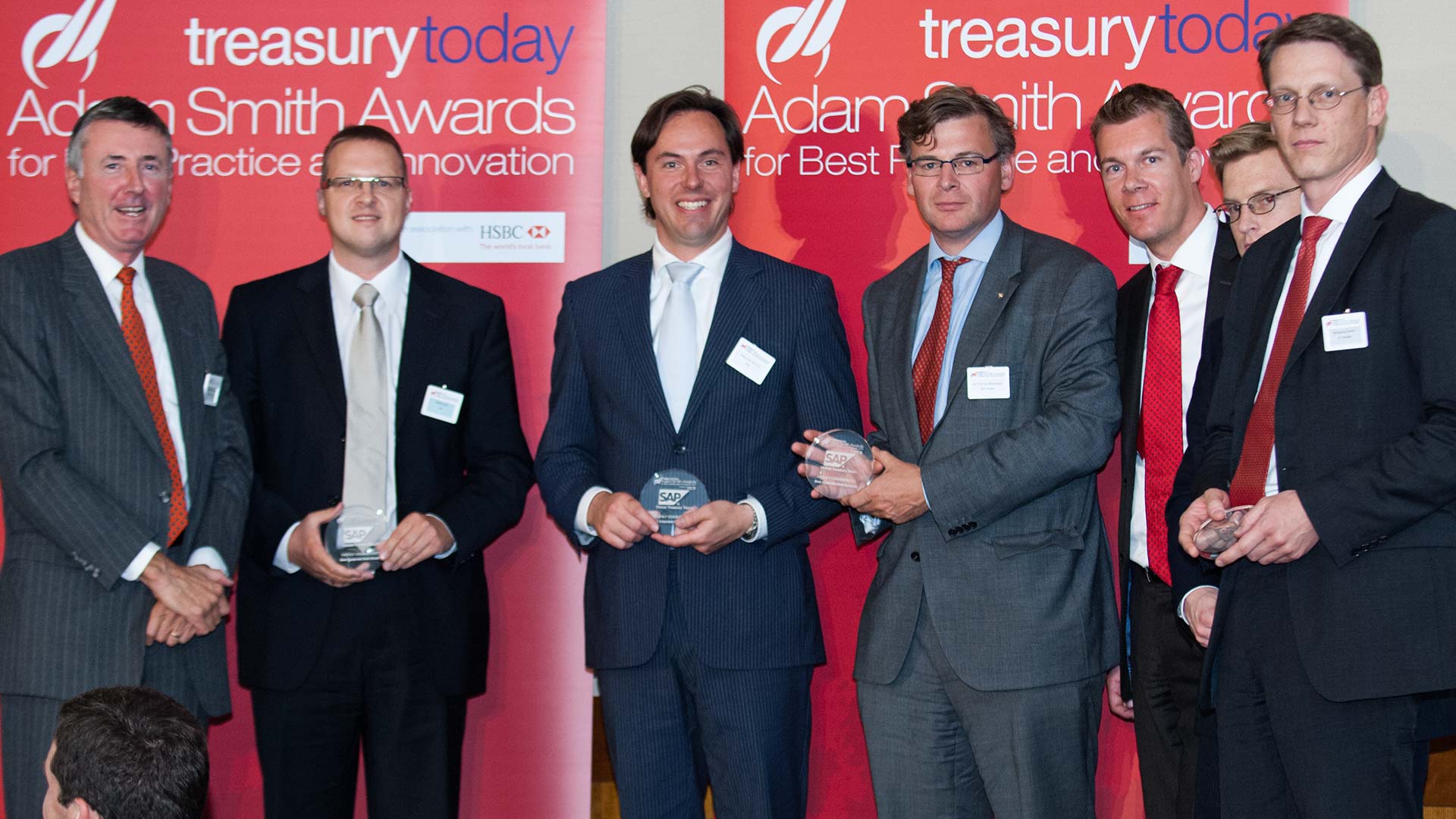
In 2009, SAP AG successfully executed a private placement transaction (German Schuldschein) worth approximately €700m. The goal was to prudently increase cash reserves and to secure a minimum operating group liquidity of €1.5 billion. Having reached a comfortable group liquidity level by the end of 2009, SAP continued its proactive approach to financing by aiming to raise liquidity in order to enhance its strategic flexibility in the future. A prolonged period of decreasing credit spreads, historically low interest rate levels, exceptional investor demand for high quality corporate paper and the development of the European unrated bond market created the ideal market backdrop for SAP.
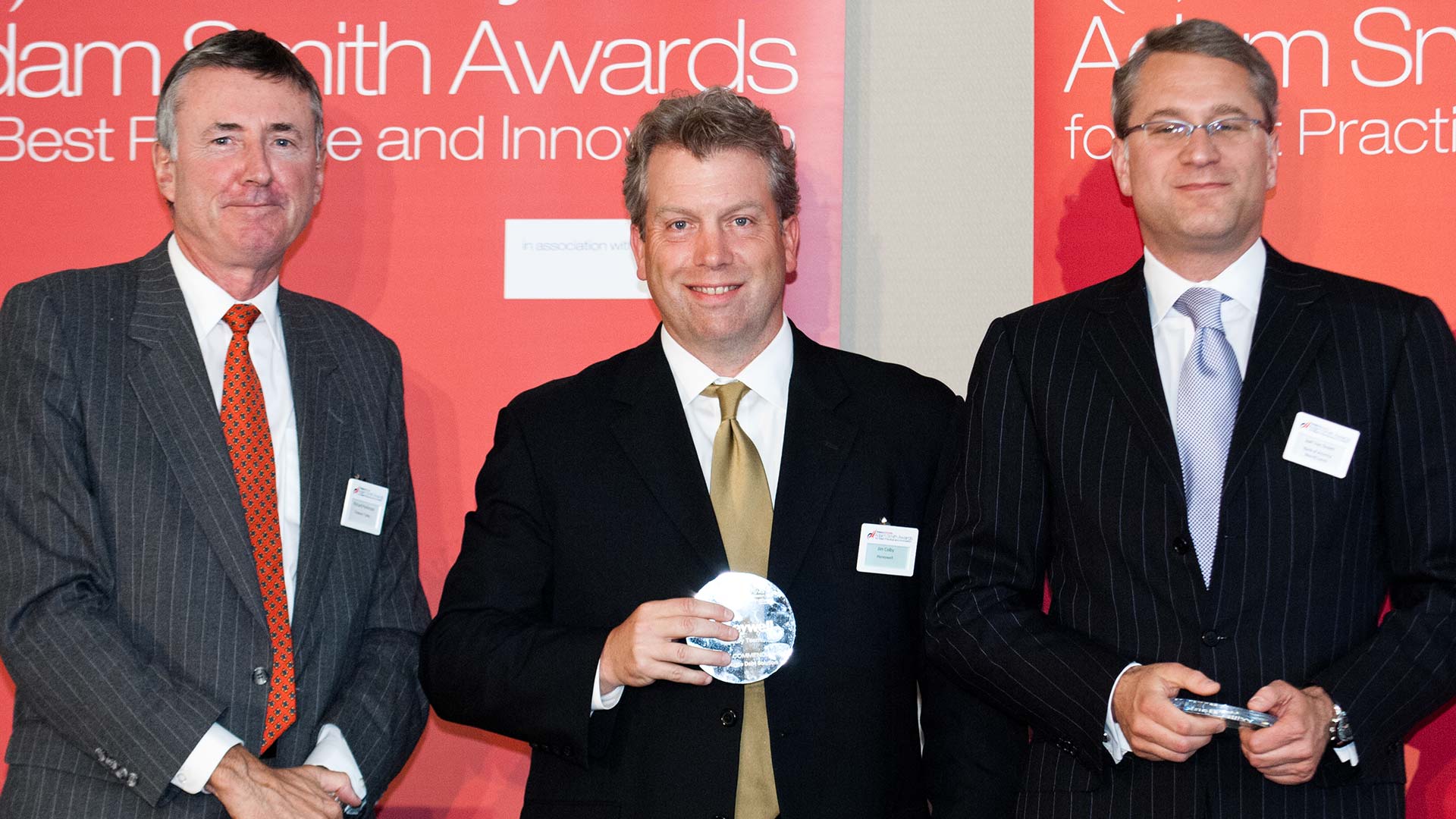
Honeywell made it a priority to de-leverage its balance sheet during the recession and, between 30th September 2008 and 31st March 2010, paid down $1.6 billion of debt, while reducing short-term debt and current maturities of long-term debt by $1.9 billion. Despite these efforts, a decline in the value of Honeywell’s pension plan assets, coupled with a reduction in the discount rate used to determine the present value of Honeywell’s pension liabilities, led to a $4.5 billion increase in Honeywell’s unfunded pension liability during 2008 and 2009 and a large increase in the company’s ’adjusted’ debt balance.
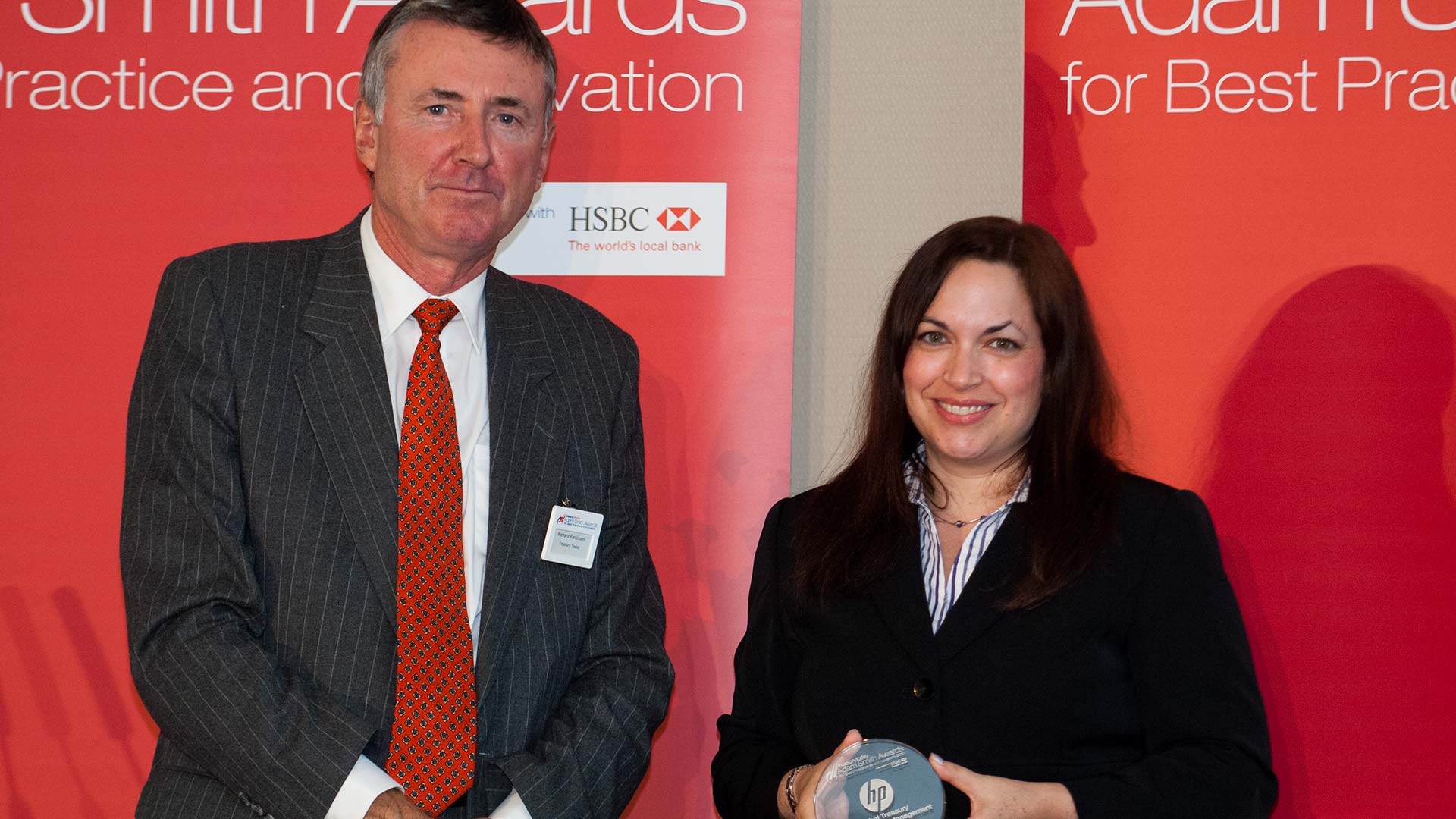
As Cristina Tate, Director, Enterprise Risk Management, HP explains “The goal is quite simple; to have a ‘best-in-class’ Enterprise Risk Management (ERM) programme to enable the company to effectively and efficiently identify, assess and manage its most significant risks on an ongoing basis.”

Colgate-Palmolive’s major foreign currency exposures involve the markets in Europe, Asia/Africa and certain Latin American countries. Historically, these exposures were tracked and reported separately by different business regions using spreadsheets.
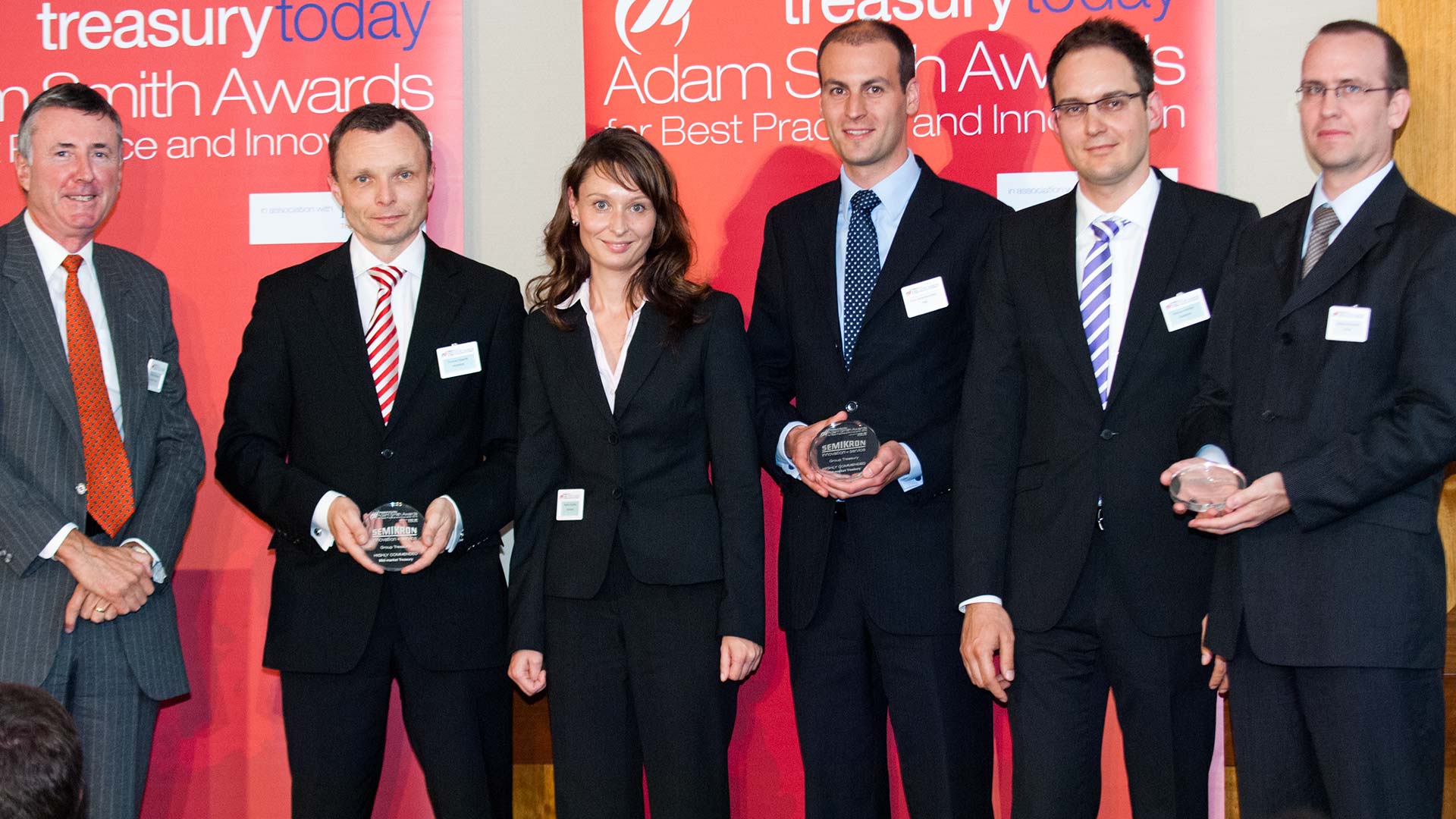
The starting point for this project had financial as well as operational goals. Cross-border payments were difficult to identify and reconcile due to ‘Bene-deduct’ fees. There were also different float times in the payment cycle and transactional fees were often high (payment fees in 2008 totalled €250,000).
In an effort to increase return on working capital abroad, Google began investing in Foreign Government Bonds (FGB’s) in 2009. The use of FGB instruments at Google was highly automated, except for the settlement process.
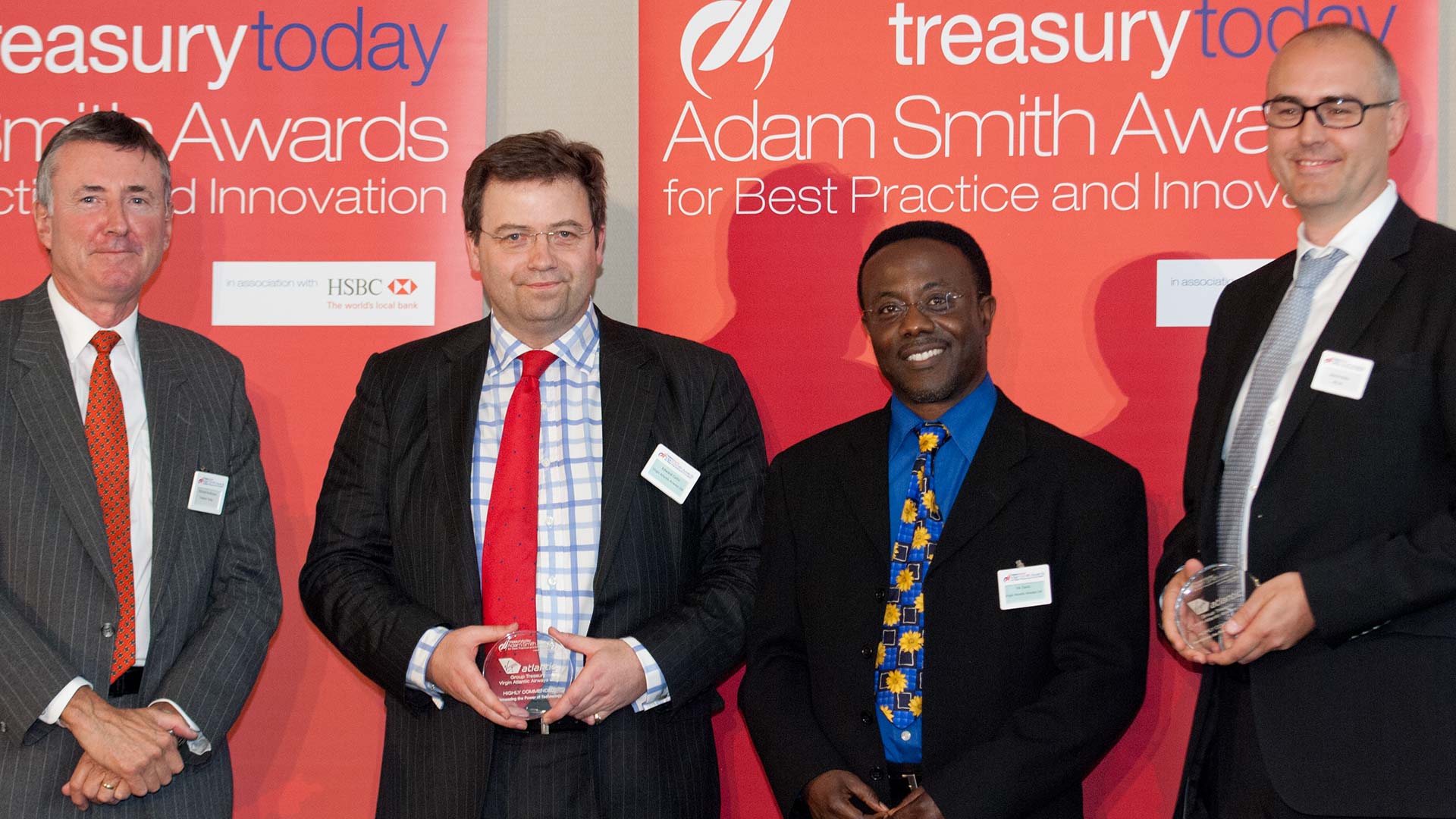
A number of sub-optimal interfaces between the internal ERP systems at Virgin Atlantic, external electronic banking systems and IT vendor applications were replaced by a single payment gateway which could send payment files to the banks and receive account balance and transactional information centrally.
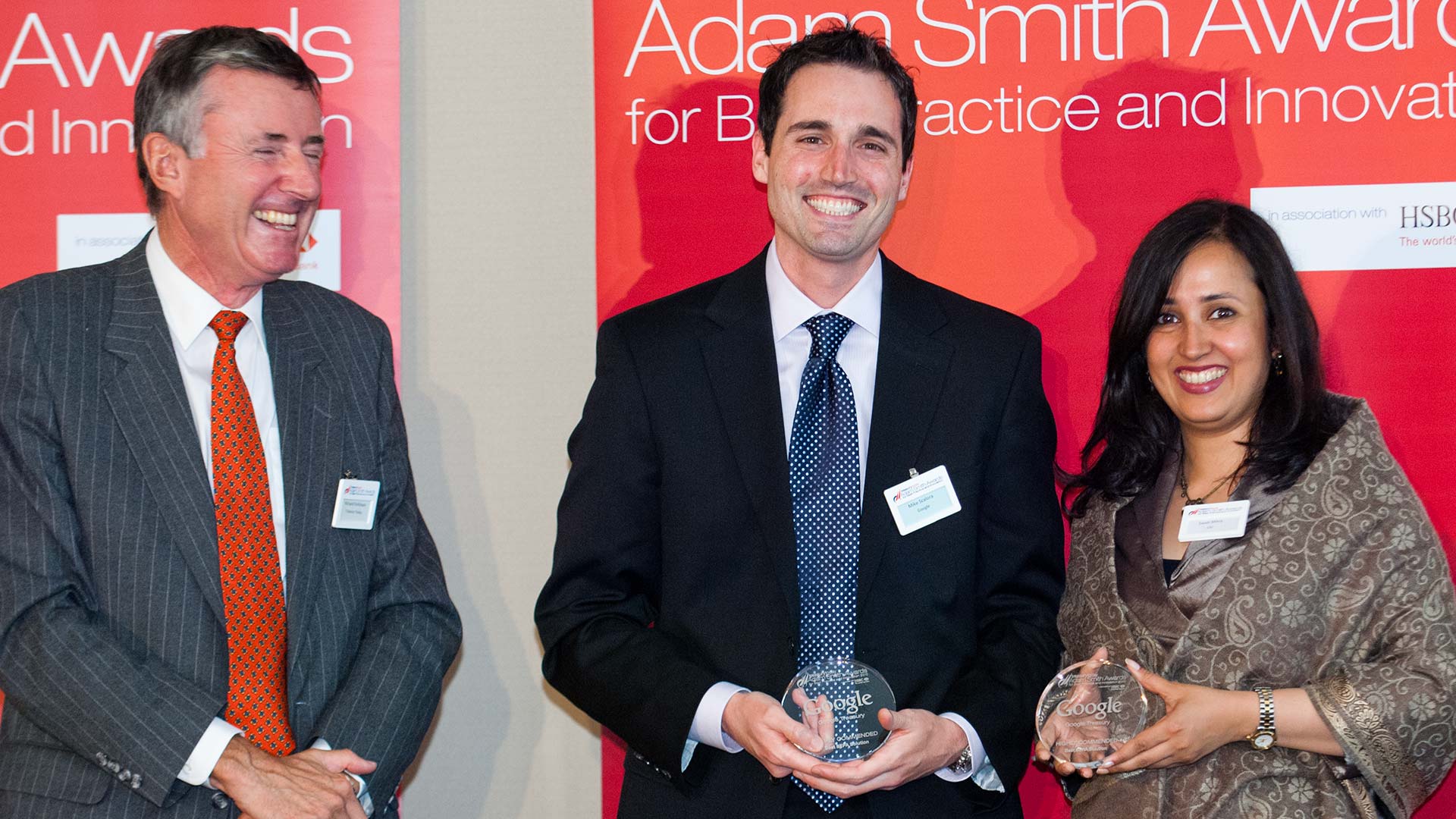
One of the primary objectives of Google’s treasury department is to achieve the maximum level of standardisation and efficiency possible and to remove obstacles that impact on the department’s ability to achieve this.
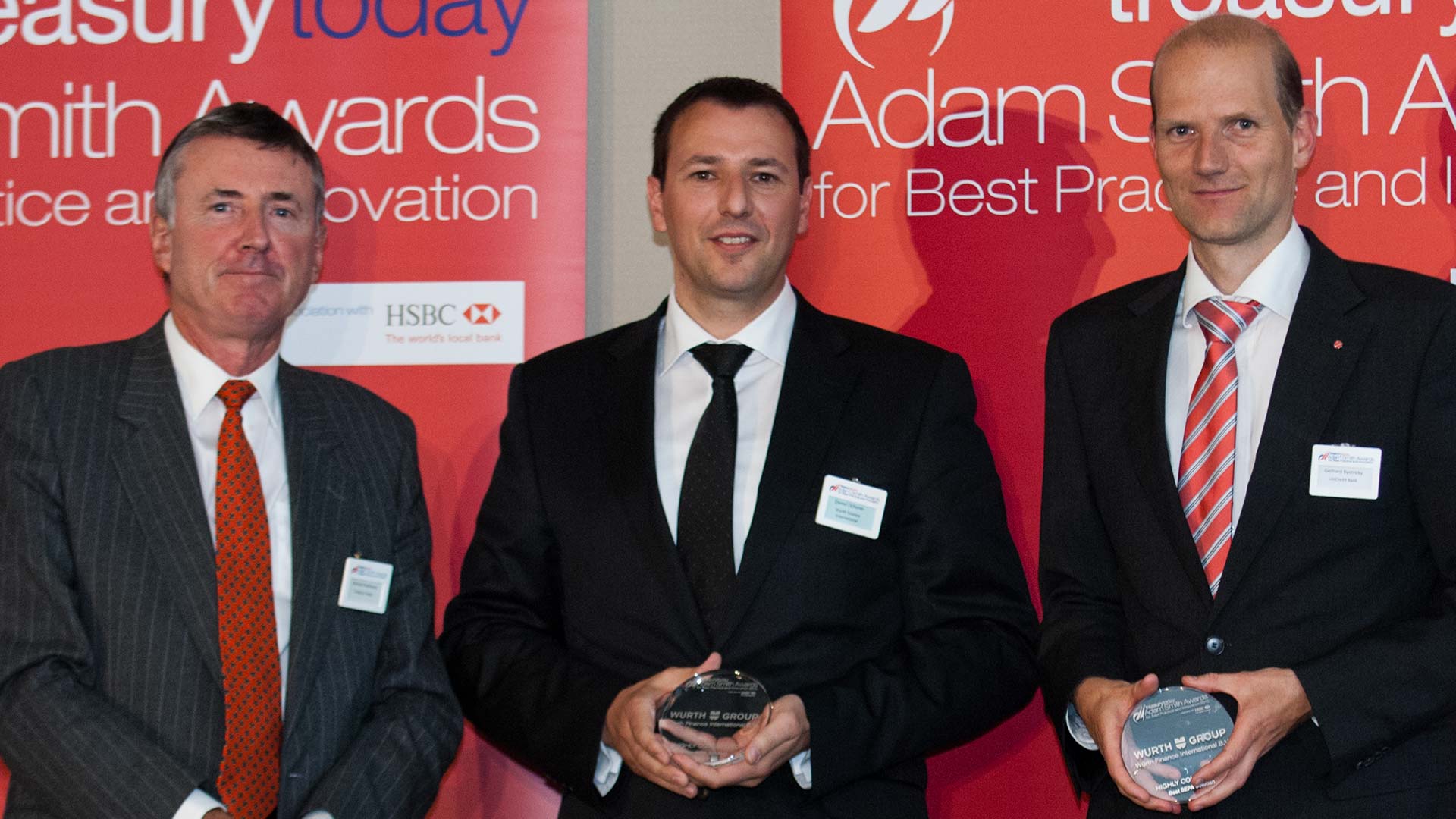
Würth Finance has one of the first payment factory solutions which uses not only integrated, direct SWIFT connectivity, but also fully implements SEPA rules and messaging standards. It is a very future-driven and global approach in terms of standardisation and automation. Würth Finance has corporate access to SWIFT via a Member Administered Closed User Group (MA-CUG) provided by UniCredit among others.
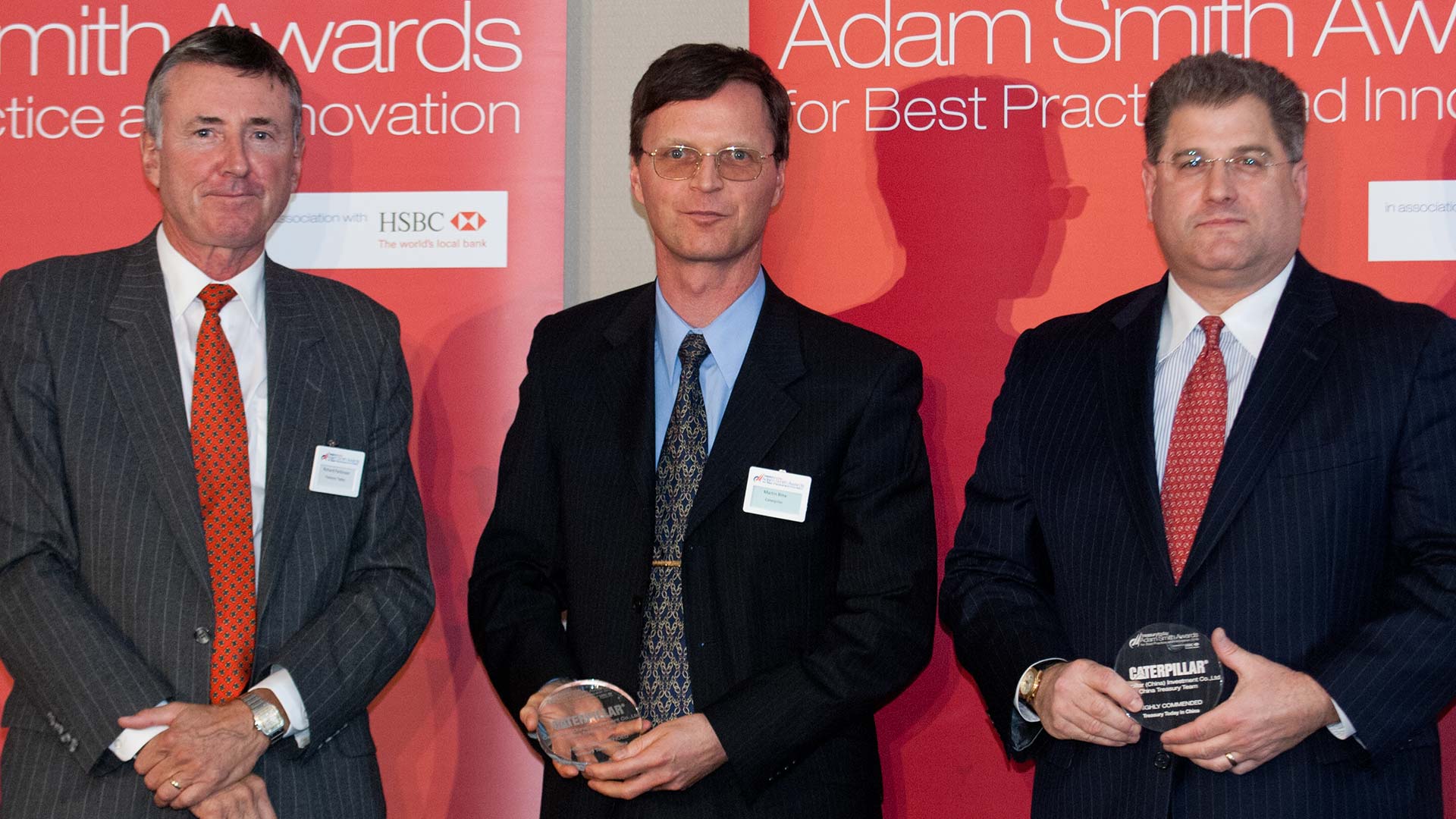
This nomination demonstrates best practice in a shared service centre and how the use of SixSigma process methodology helped Caterpillar to implement an end-to-end cash management solution.

CNOOC Limited was keen to implement a treasury management system, however the company was facing a number of key issues that needed to be addressed before any implementation could take place.
In-house banking is a time-consuming and complicated process that requires countless hours of analysis. So why would any organisation choose to do their banking in-house? The benefits are clear: reduction in bank charges and FX costs. The primary challenges of managing an in-house banking structure are the analysis and physical settlement of inter-company relationships. Confirming relationship validity, verifying the transactions that make up the balance and initiating physical transfer are demanding and time-consuming processes. Depending on the company, this could involve thousands of real payments.

HP has 3,000+ bank accounts across 40 banking relationships worldwide. Due to the manual nature of its existing account maintenance processes, opening and maintaining these accounts with up-to-date signatories was an arduous and time-consuming process. The process was highly paper-intensive and expensive in terms of processing costs and human capital. The manual nature of account maintenance meant that HP had limited control and flexibility. It also resulted in poor visibility as the status of a bank request was unknown until a response was received.
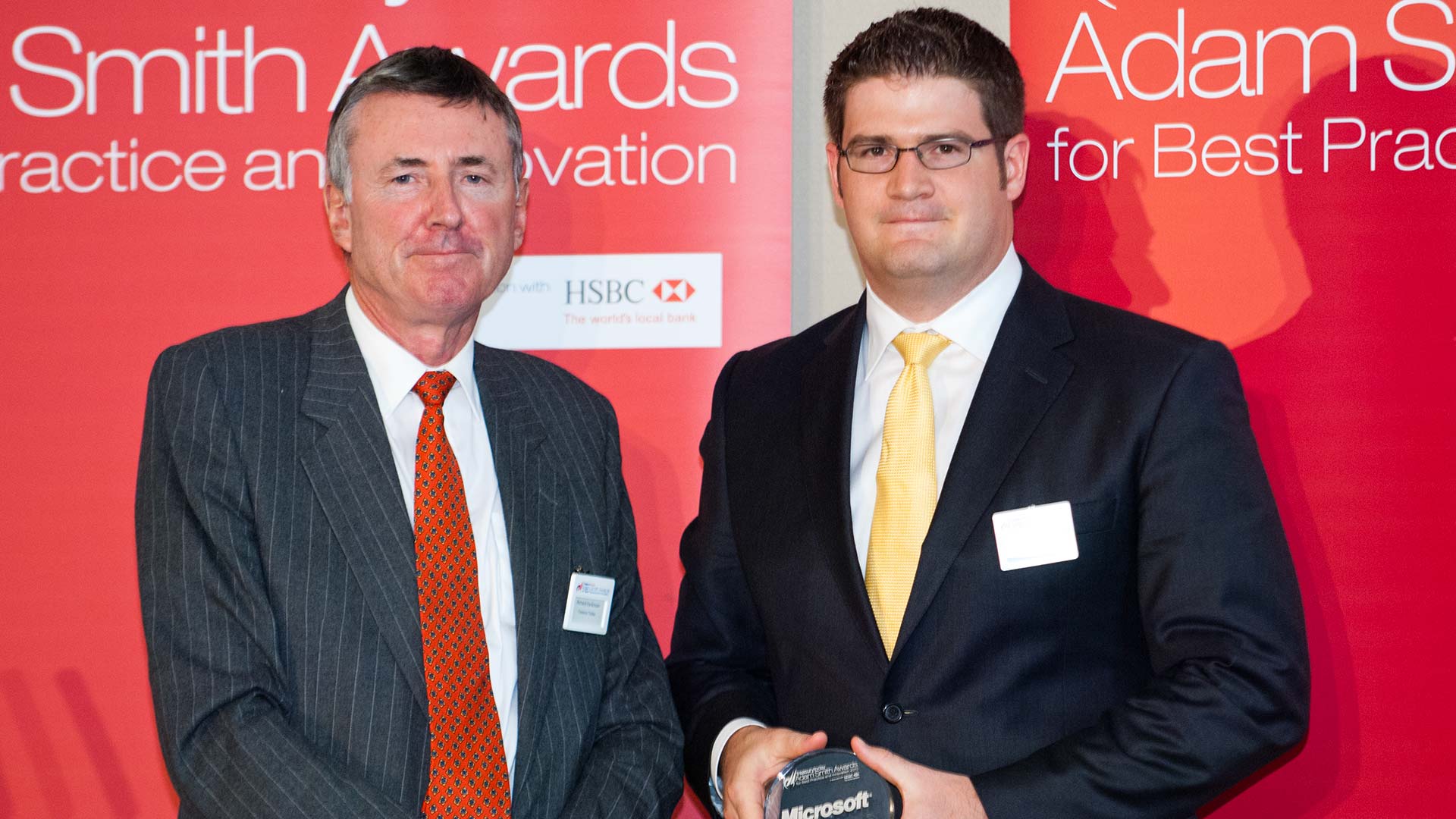
Microsoft Treasury’s Credit and Collections solution, which is profiled on page 21, was Highly Commended in this category due to the combination of collaboration with teams across the organisation, utilisation of technology with little or no cost to Microsoft and the implementation of improved processes.
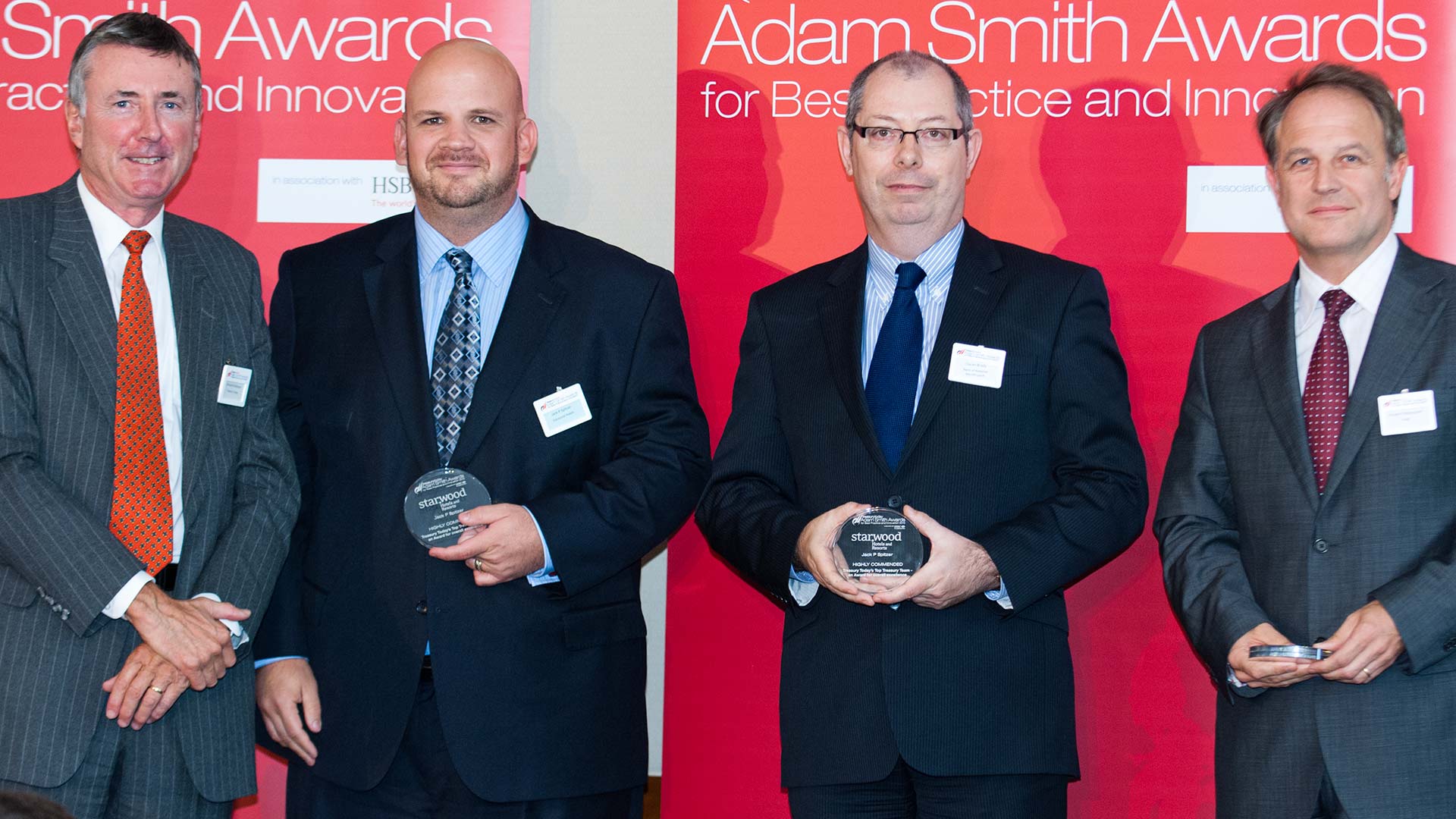
Starwood Hotels was looking to increase efficiency within the treasury department and related working capital areas through major automation projects between Starwood and its main bank partners.